
Last updated November 18, 2026
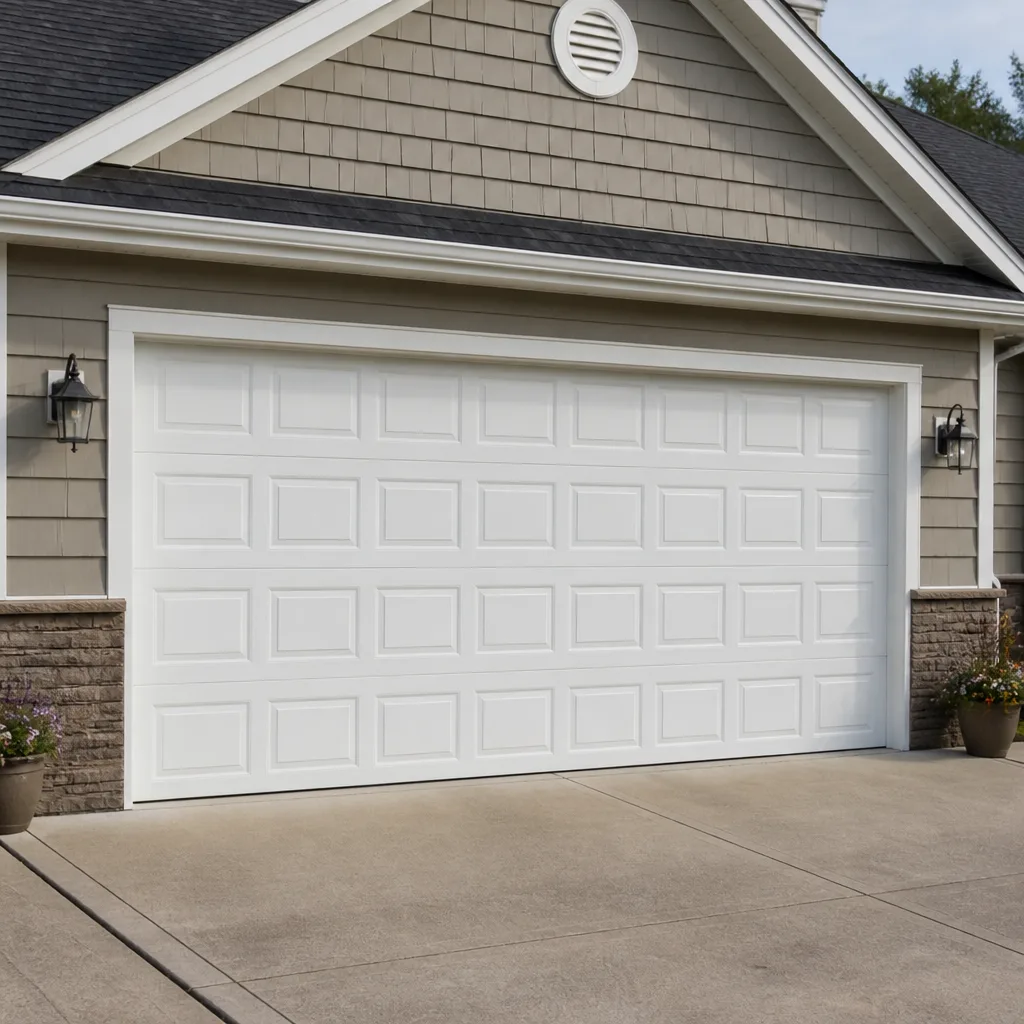 Raised-panel steel
 Carriage house
 Modern flush
 Full-view glass
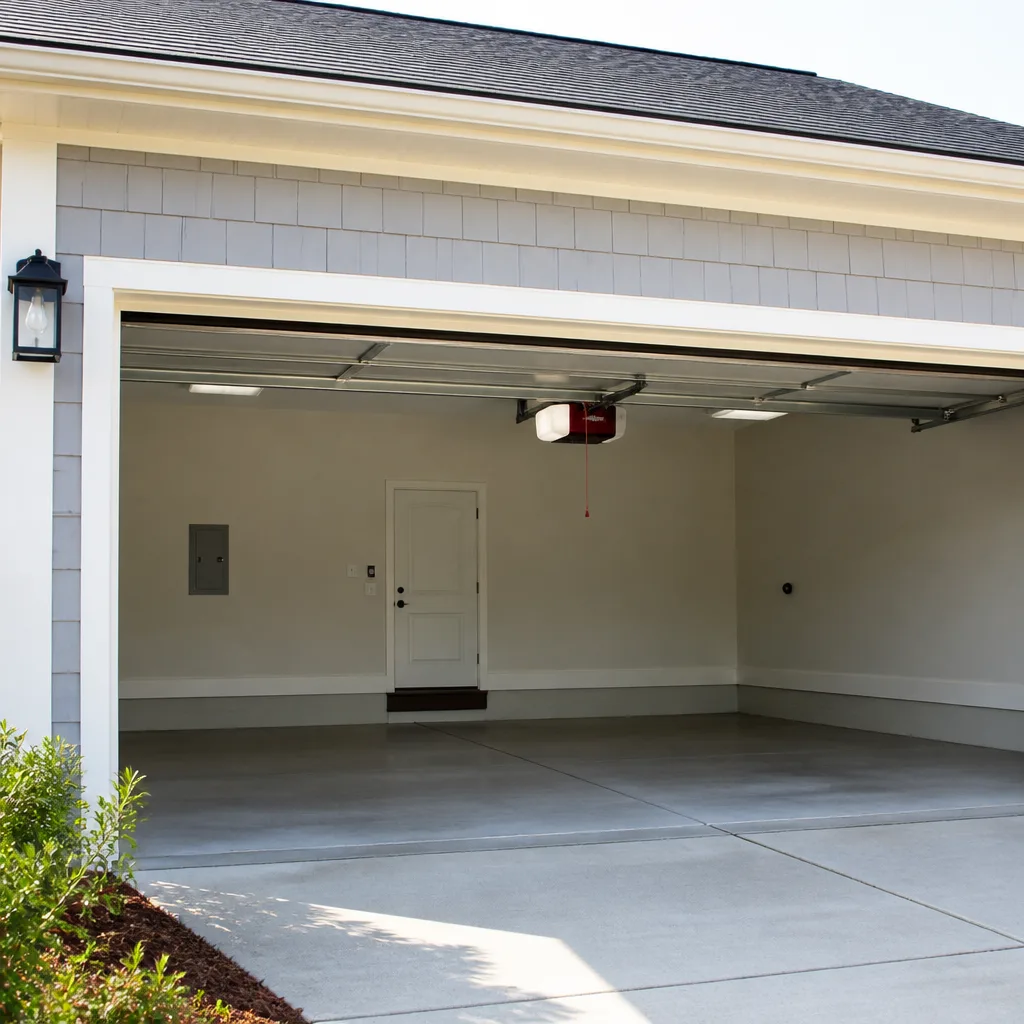 LiftMaster openers
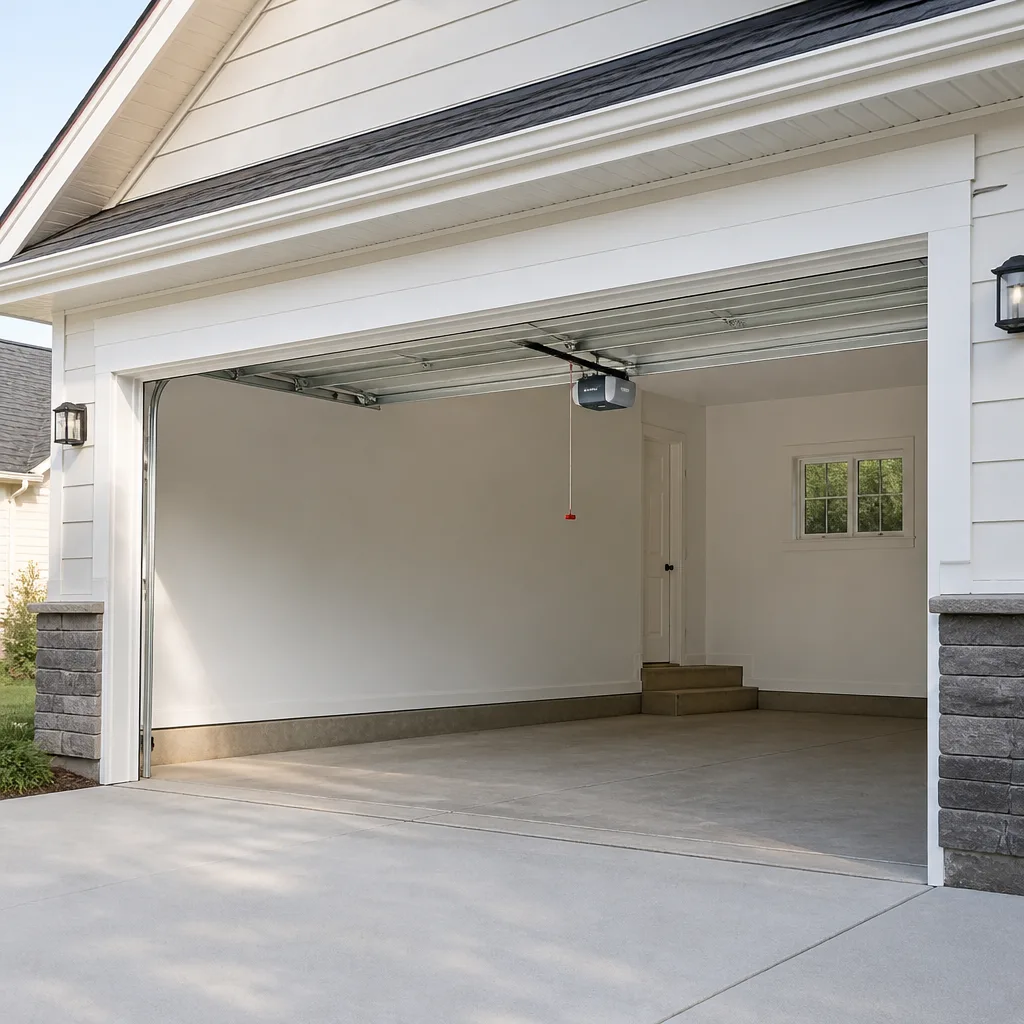 Chamberlain openers
Full 25-point door and opener safety check with every visit - springs, cables, rollers, tracks, and your LiftMaster or Chamberlain opener included
You get a price before we start. It does not change when the pro arrives.
Get your free estimateGarage Door Installation Warning Signs Every Homeowner Should Know
A poorly installed garage door doesn’t fail on day one. It fails on day 47, after the crew is long gone and the receipt is buried in a drawer. That gap between installation and failure is where the real trouble lives, because a door installed in a hurry looks perfectly fine from the driveway for a month or more. In our experience across Summerlin, the doors that come back to us with snapped cables and frozen openers almost always showed small, readable warning signs in the first thirty days. The homeowners just didn’t know what they were looking at. This guide teaches you to read those signals early, while a written warranty still means something and before a cold snap turns a sloppy install into an emergency.
Quick Answer
The main warning signs of a bad garage door installation are unusual noises like popping or grinding rather than a soft break-in creak, an uneven gap at the floor seal that widens over time, a door that fails the reversal test, missing end caps and loose cable drums, and hardware that was hand-tightened instead of torqued to spec. Any two of these together in the first month mean you should call the installer back before the warranty becomes a conversation you have to argue for.
Styles & brands we work with
- Raised-panel steel
- Carriage house
- Modern flush
- Full-view glass
- LiftMaster openers
- Chamberlain openers
Table of Contents
- The Sounds That Separate Break-In Noise From Bad Spring Tension
- What the Gap at the Floor Seal Tells You About Track Alignment
- The Reversal Test You Should Run in Week One
- Cosmetic Shortcuts That Reveal a Rushed Job
- What a Written Warranty Should Actually Cover
- How Summerlin Heat and Wind Stress a Bad Install
- Your First 30 Days: A Homeowner’s Checklist
- Common Mistakes to Avoid
The Sounds That Separate Break-In Noise From Bad Spring Tension
Every new garage door makes some noise in the first week. The problem is that most homeowners can’t tell the difference between the harmless noises a fresh door makes and the ones that signal improper spring tension, so they either panic at nothing or ignore the thing that matters. Here’s how to separate the two.
Normal break-in noise is a soft creak at the hinges and a low settle-sound as the door finds its track. It fades within seven to ten days and is quiet enough that you stop noticing it.
Warning-sign noise is different in kind, not just volume. Listen for these:
- Popping or banging as the door moves, which points to springs carrying uneven tension or a cable winding incorrectly on the drum.
- Grinding or scraping that continues after the door stops moving, which usually means a roller is riding the wrong way in the track.
- A loud slam at the bottom instead of a soft close, which signals the opener force is set too high.
- Rattling from the tracks themselves rather than from the panels, which points to loose fasteners pulled by hand rather than torqued.
In Summerlin, where doors face full afternoon sun and expand differently than they would in a cooler climate, uneven spring tension shows up as a door that travels louder going up than coming down. If a door still sounds wrong on day twenty, it was not installed right. Springs store lethal energy, so the fix belongs to a trained technician, not a homeowner with a winding bar.
What the Gap at the Floor Seal Tells You About Track Alignment
Go out at dusk with a flashlight and run it along the bottom of the door while it’s closed. Any light leaking through the floor seal is the most honest diagnostic a homeowner can perform, because it reveals track alignment before anything breaks.
A single small gap at one corner might mean the concrete floor isn’t perfectly level, which is common in older Summerlin homes where driveways have settled. A consistent gap across the whole bottom, or a gap that grows visibly wider on one side, tells you the vertical tracks are out of plumb. The door is running out of square.
This matters because it gets worse. A misaligned track lets the rollers ride unevenly, and every cycle of the door puts extra force on one side. Over weeks, that shows up as:
- A door that rubs against the weatherstripping and tears it.
- Rollers that wear flat on one edge and get noisy.
- A bottom seal that sags because the door is riding low on one side.
- Eventually, a cable that fails because the drum is pulling at the wrong angle.
We’ve opened dozens of Summerlin doors where a track was out of plumb by a quarter inch at install and by the time the homeowner called us, the floor seal had been shredded and a cable was fraying on the drum. The fix is quick when it’s caught in the first month. It’s a much bigger job once the cable lets go.
The Reversal Test You Should Run in Week One
The safest single habit a homeowner can build after a new installation is the reversal test. It takes two minutes and verifies both the safety sensors and the force calibration, which are the two things a rushed installer is most likely to leave unset.
- Test the sensors. Open the door most of the way, then stand in the approximate path and wave your leg in front of the photo-eye sensors while the door is closing. The door should reverse instantly rather than bump the obstacle and back off. If it bumps, the sensors are misaligned or the opener force is too high.
- Test the force reverse. Lay a two-by-four flat on the ground under the middle of the closed door. Press the opener to close. The door should reverse within a couple of inches of contact with the board. If it keeps pushing, the force setting is wrong.
- Test the sensor eyes themselves. With the door open, block one sensor with your hand. The opener’s close button should now do nothing, because the sensors are failing. If the door still closes, the sensor circuit is bypassed.
Run this test in the first week and again after the first month. In Summerlin, where the lens on a sensor can get clouded by windblown dust in a few weeks, a misaligned mount that worked at install can drift out of line. If either test fails, call the installer immediately. Do not loosen a sensor bracket yourself unless you know exactly where the alignment needs to end up.
For more on how an opener’s force and sensor settings are calibrated, see Garage Door Opener in Summerlin.
Cosmetic Shortcuts That Reveal a Rushed Job
A rushed installer leaves fingerprints in the cosmetic details. You don’t need to climb a ladder to spot the worst of them, but a careful inspection of the finish hardware will tell you more about the quality of the work than an hour of watching the door cycle.
Look for these shortcuts:
- Missing end caps on the horizontal tracks or the opener rail. Those caps are cheap, and a crew that didn’t bother to snap them on didn’t bother to check the torque either.
- Loose cable drums. The cable should sit in a clean, tight spiral around each drum. A drum that’s wobbling or has the cable crossing over itself is a red flag for a hasty wind.
- Hand-tightened hinge and bracket bolts. Proper installs use a torque setting on the bolts holding the hinges to the panels. Bolts tightened by feel work loose within weeks and start rattling.
- Weatherstripping applied crookedly or with gaps at the corners. A proper install tucks the weatherstripping tight against the frame all the way around.
- Opener mounting bracketed to drywall rather than to framing or a proper header. In Summerlin homes, this shows up as a slight sag in the rail after the first summer heat cycle.
A door installed correctly will show a clean line of cable on each drum, tight bolts that don’t move under thumb pressure, and no gaps for a flashlight to find. If you spot two or more of these shortcuts, the install was rushed regardless of how the door cycles today.
What a Written Warranty Should Actually Cover
Here’s where most homeowners get burned. The warranty is the thing they don’t read until they need it, and by then the language has already decided the argument. A vague “workmanship” line is close to worthless because it doesn’t specify what counts.
A written warranty that actually protects you does four things:
- Names the specific parts and labor. Not “the installation” but “springs, cables, hinges, rollers, track alignment, and opener calibration.”
- States a term in writing. At Mainspring, our 90-Day Done Right Promise is on every job. If the work isn’t right, we come back at no charge, in writing, with no dispute process.
- Avoids the word “workmanship” without a definition. A warranty that says “we warrant workmanship” and leaves workmanship undefined gives the installer room to argue that the symptom isn’t the workmanship.
- Holds the full manufacturer warranty intact. Brands like LiftMaster and Chamberlain back their openers directly. A sloppy install can void that coverage if the opener was mounted wrong, so the installer’s warranty should explicitly preserve it.
Ask for the warranty in writing before the crew leaves. If an installer won’t put a 90-day term on paper, that’s your answer about how much they trust the work. Read the full details of how a proper install is backed on our Garage Door Installation in Summerlin page.
How Summerlin Heat and Wind Stress a Bad Install
Summerlin is not a forgiving climate for a garage door. Afternoon temperatures push the metal panels and the springs into expansion and contraction cycles that a door in a milder climate never faces, and the spring tension that was set in a cool morning is a different tension by 4 p.m. A door installed with slack in the hardware or uneven spring tension feels that difference every single day.
There’s also the wind. Summerlin sits close to the edge of the valley where gusts push against a closed door for long stretches, and a door with a loose track or a hand-tightened bracket will slowly walk out of alignment under that load. We see more failed cables and worn rollers in Summerlin than in flatter, cooler neighborhoods nearby, and almost all of them trace back to something that should have been tightened or measured on install day.
What this means practically: a door installed in Summerlin has less margin for shortcuts than a door installed almost anywhere else. The first 30 days matter more here because the climate will find the weak point faster. A door that passed a visual inspection in April may be rattling by June if the spring tension was off or the track was set a fraction outside plumb.
Your First 30 Days: A Homeowner’s Checklist
This is the practical version of everything above. Put these on the calendar in the first week and the fourth week after installation.
- Day 1: Run the reversal test. Check the floor seal with a flashlight at dusk.
- Day 3: Walk the perimeter and look for missing end caps, gaps in the weatherstripping, and a wobbling cable drum.
- Day 7: Note any noise. Is it a soft creak, or is it popping, grinding, or a slam?
- Day 14: Run the reversal test again. Check that the tracks still look parallel from the side.
- Day 30: Run the reversal test a third time. Look at the floor seal again. If the gap has grown, call.
A well-installed door gets quieter and smoother over that first month. A bad one gets louder and rougher. That is the whole test in one sentence. If the arc is flat or trending up, the install needs another look. Call (855) 608-8802 and we’ll come take a look.
Common Mistakes to Avoid
- Ignoring a “quiet” install that only works in mild weather. In Summerlin, a door that works in April can fail in July, so test it in the heat of the afternoon when the metal is expanded, not on a cool morning when everything feels fine.
- Assuming a new door can’t be defective because it’s under warranty. Warranties cover defects, but a poorly executed install is a workmanship issue, and normal wear that starts in week three usually means the spring tension or the track alignment was wrong from day one.
- Waiting for the first cold snap to test the springs. Spring trouble shows up when metal contracts, and by then you’re calling an emergency line instead of asking for a scheduled service call.
- Letting the installer skip the torque and tighten by hand. Hand-tightened bolts work loose within a month and the door starts rattling. Ask for a torque check before the crew leaves.
- Missing the warranty window because the paperwork was “in a drawer.” Put the warranty somewhere you can find it and read it in the first week. If it uses vague “workmanship” language, ask for it in writing.
- Assuming the tracks look straight from the ground. They almost never do, and a slightly out-of-plumb track will tear the floor seal long before it looks wrong from a distance.
- Trying to adjust a spring yourself because it’s “just one twist.” Springs on a residential door store enough force to cause serious injury. Leave them to a technician trained on the make, whether it’s a LiftMaster or Chamberlain opener on top of a Craftsman door.
See the difference
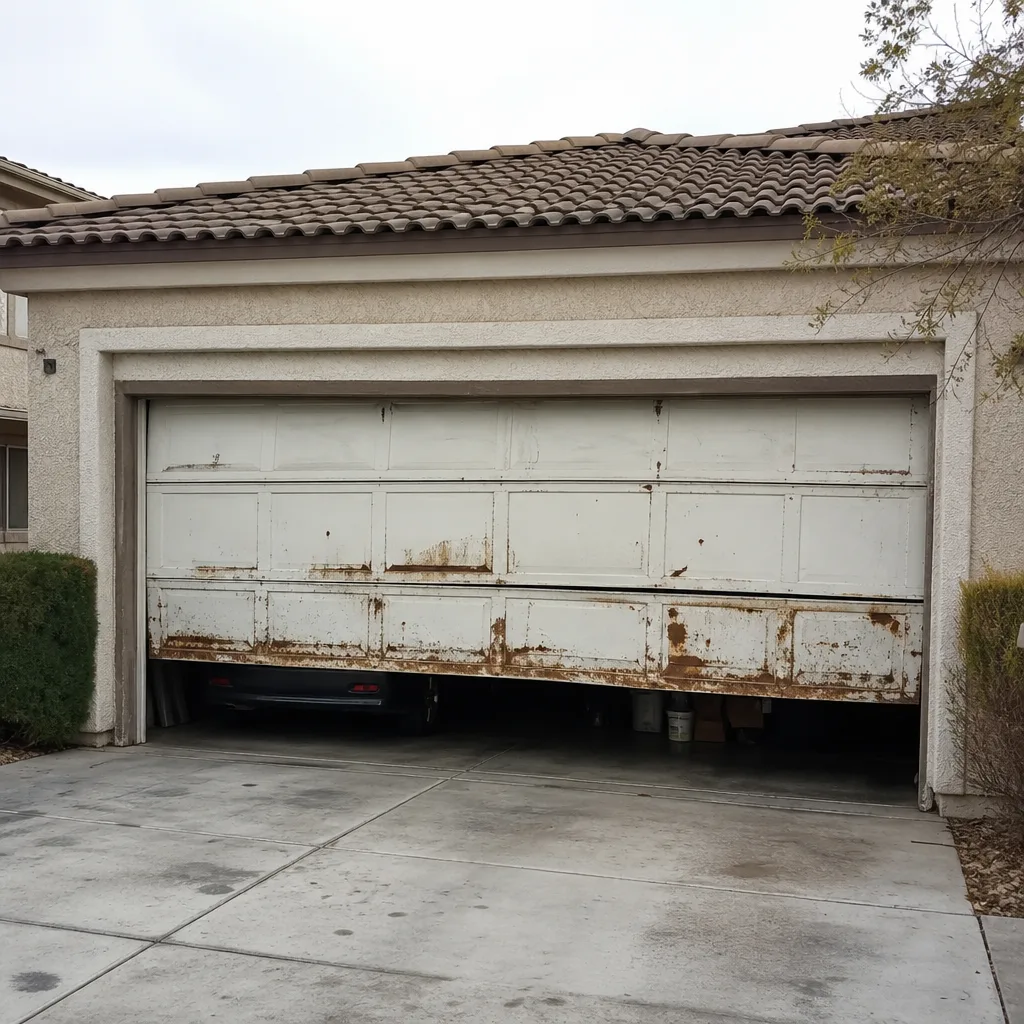 Before
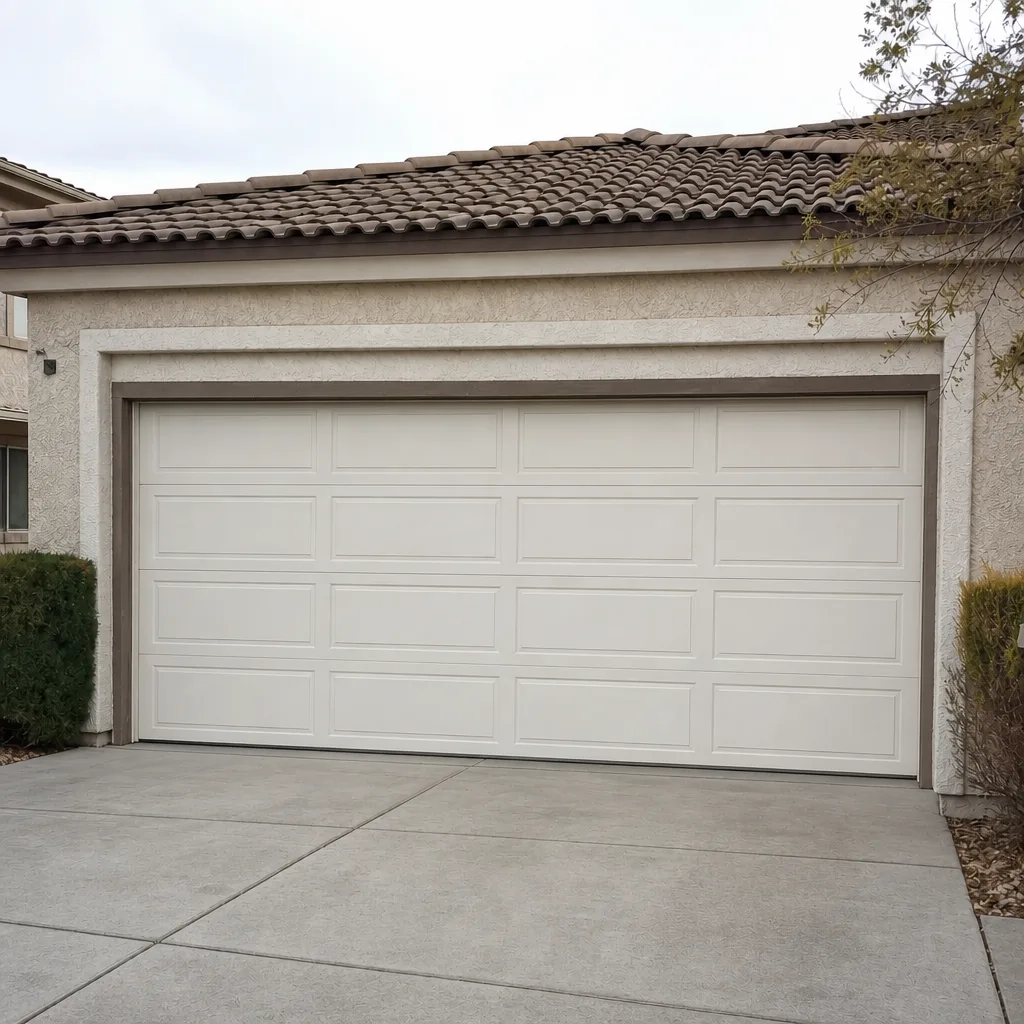 After
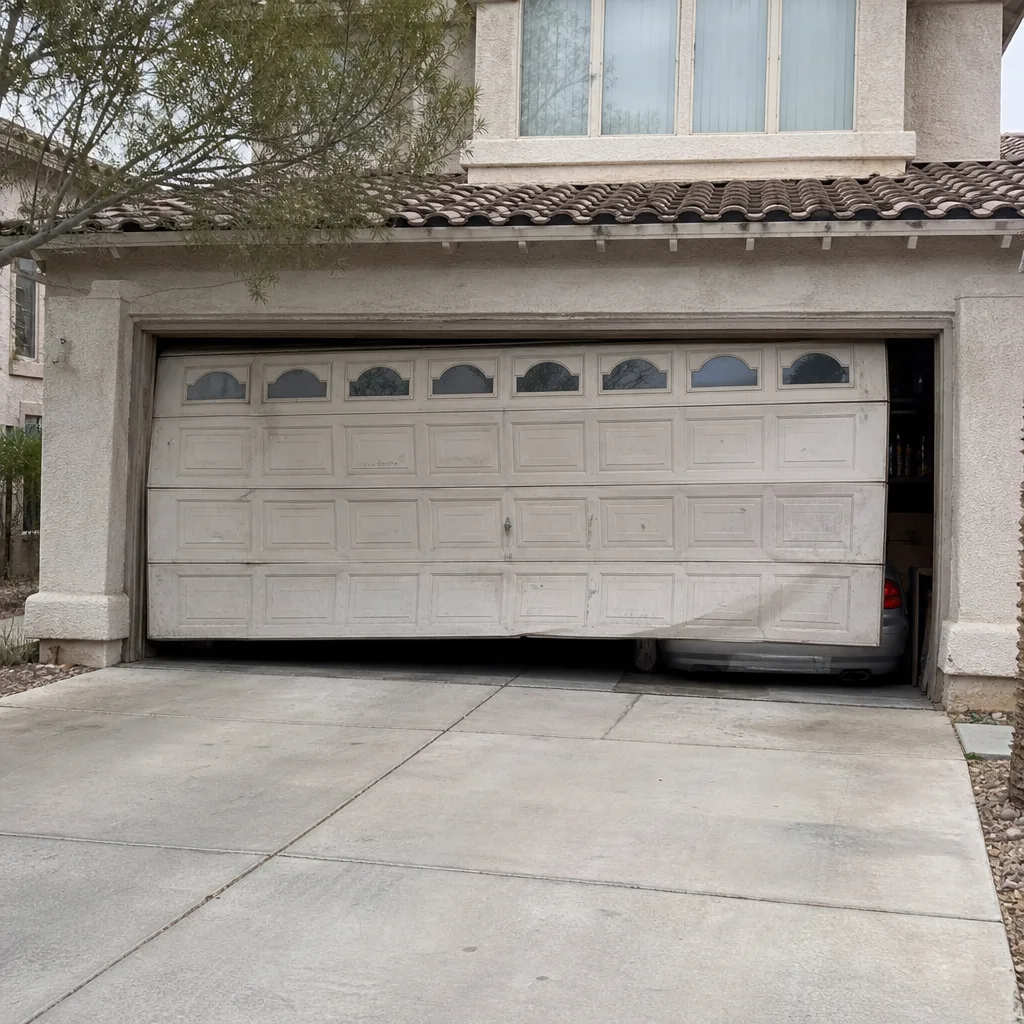 Before
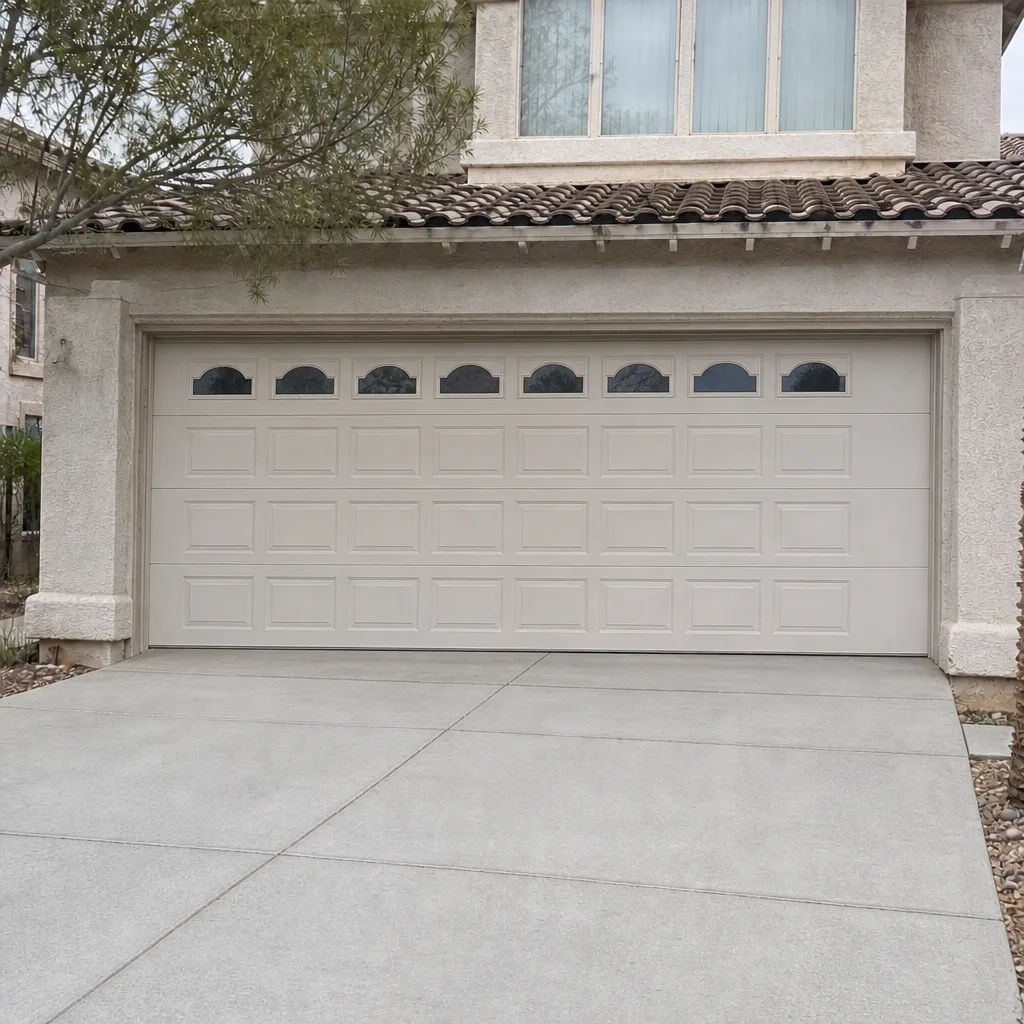 After
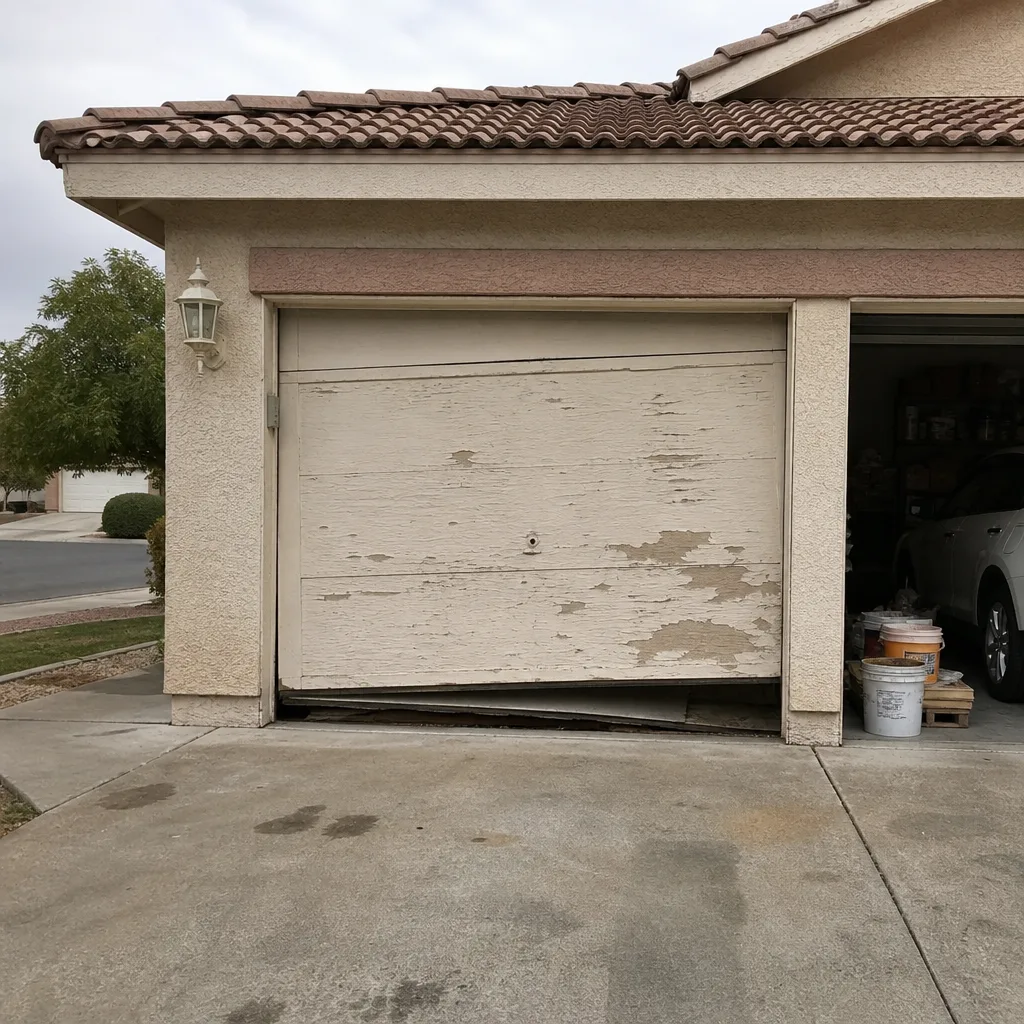 Before
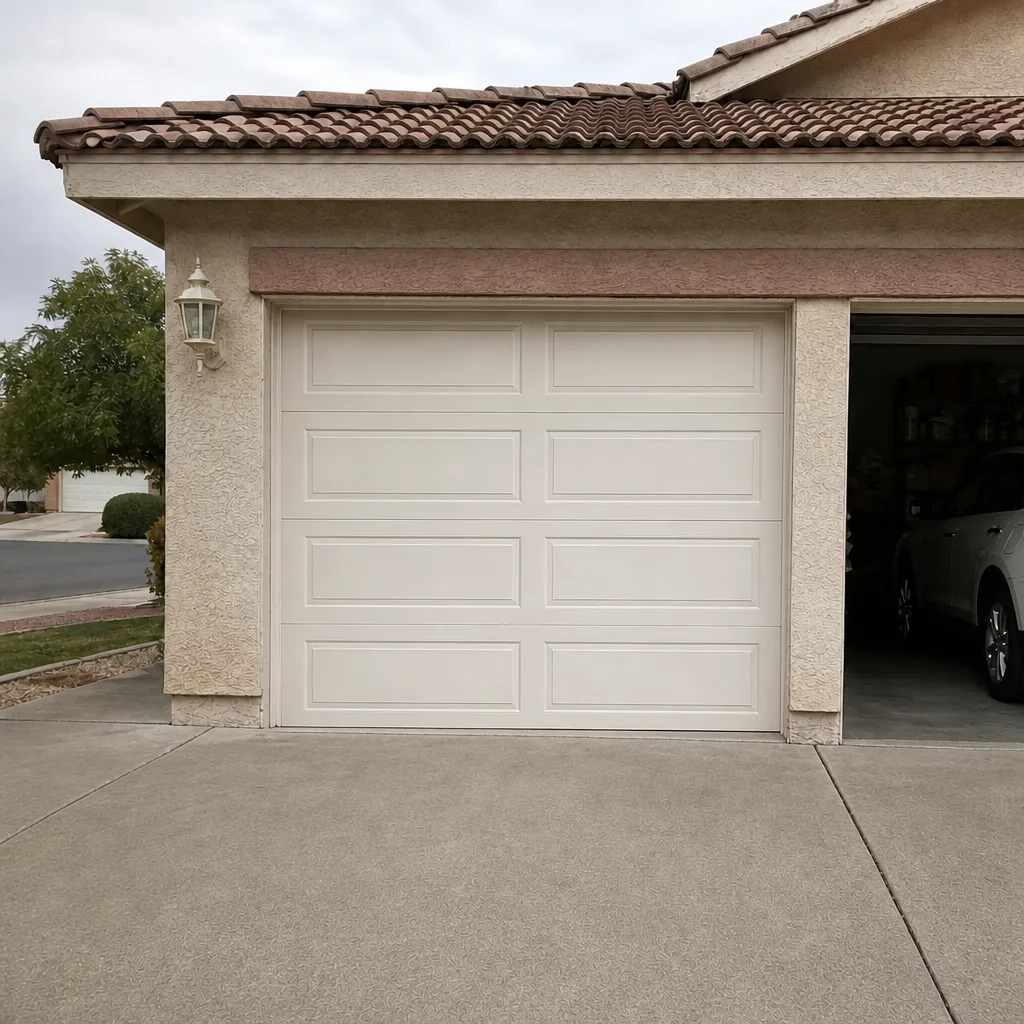 After
When to Call a Professional
Call a professional if you spot any of the following: a noise that’s popped or slammed rather than creaked for more than a week, a floor seal gap that is wider on day 30 than day one, a reversal test that fails after two attempts to run it, a cable sitting loose or crossed on a drum, or hardware you can turn by hand. Any of these means the door was installed wrong or a component has already failed. Springs and cables should never be adjusted by a homeowner. Mainspring Garage Door Co. Summerlin offers free estimates in Summerlin, and we’ll come out, look the door over, and tell you plainly whether it’s a workmanship issue or something else. If a second opinion on your installer’s written estimate would help, ours is standing and free. Call (855) 608-8802. For repair work rather than install-related issues, our Garage Door Repair in Summerlin team handles the same brand range, and everything is covered by our 90-Day Done Right Promise in writing.
Frequently Asked Questions
Most bad installations show their first real symptom within 30 to 60 days. The door cycles a few hundred times in that window, and the small slack a rushed installer left in the hardware or the spring tension gets worked out into a visible failure. The specific sounds and the floor seal gap are the two earliest tells.
A healthy break-in is quiet. The door gets slightly softer at the hinges over the first week, and then it stays consistent. There’s no popping, no grinding, no slam at the bottom, and no change in the noise level after day ten. If it feels louder on day thirty than day three, that’s not break-in, it’s a problem.
A gap on one side almost always means the vertical track on that side is not plumb, or the concrete floor has settled unevenly. In Summerlin, older driveways are especially prone to settling, so the installer has to adjust the bottom seal to follow the floor’s contour. A gap that widens over time is the giveaway that the track was set out of square.
Before. A written warranty should be in your hands before the crew pulls out of the driveway. If it uses vague “workmanship” language, ask for the specific parts and labor it covers, in writing, and a stated term. Every Mainspring install is backed by the 90-Day Done Right Promise on paper.
Run it in week one, again at week four, and then once a month as a habit. It takes two minutes and it’s the single best early warning you have for a misaligned sensor or an opener force that’s set too high. If it fails, don’t try to adjust the opener yourself. Call a professional.
Whoever installs your door should know the major brands cold: LiftMaster, Chamberlain, Genie, Clopay, Amarr, Wayne Dalton, Craftsman, and Raynor. A rushed crew often installs only one or two and improvises when they run into a different maker’s bracket or spring spec. Ask what they carry and what they’ve installed recently. Our Mainspring Garage Door Co. Summerlin home page lists the full range, and if you’re weighing a replacement, the installation page walks through how we measure and quote before any work begins.
The Bottom Line
A bad garage door installation doesn’t announce itself. It hides for a month, then walks in through the garage door one afternoon and stays for dinner. The best defense a homeowner has is the first thirty days: read the noise, check the floor seal, run the reversal test three times, and look for the cosmetic shortcuts. A door that gets quieter and smoother over that month is fine. A door that gets louder and rougher needs a call. In Summerlin, the climate will find a shortcut faster than almost anywhere else, so use the checklist above and don’t wait for the cold snap. Every job we finish is backed by the 90-Day Done Right Promise in writing, and every call is answered by a live person around the clock. Call (855) 608-8802 for a free estimate, and we’ll tell you plainly what your door needs.
Written by the team at Mainspring Garage Door Co. Summerlin.