
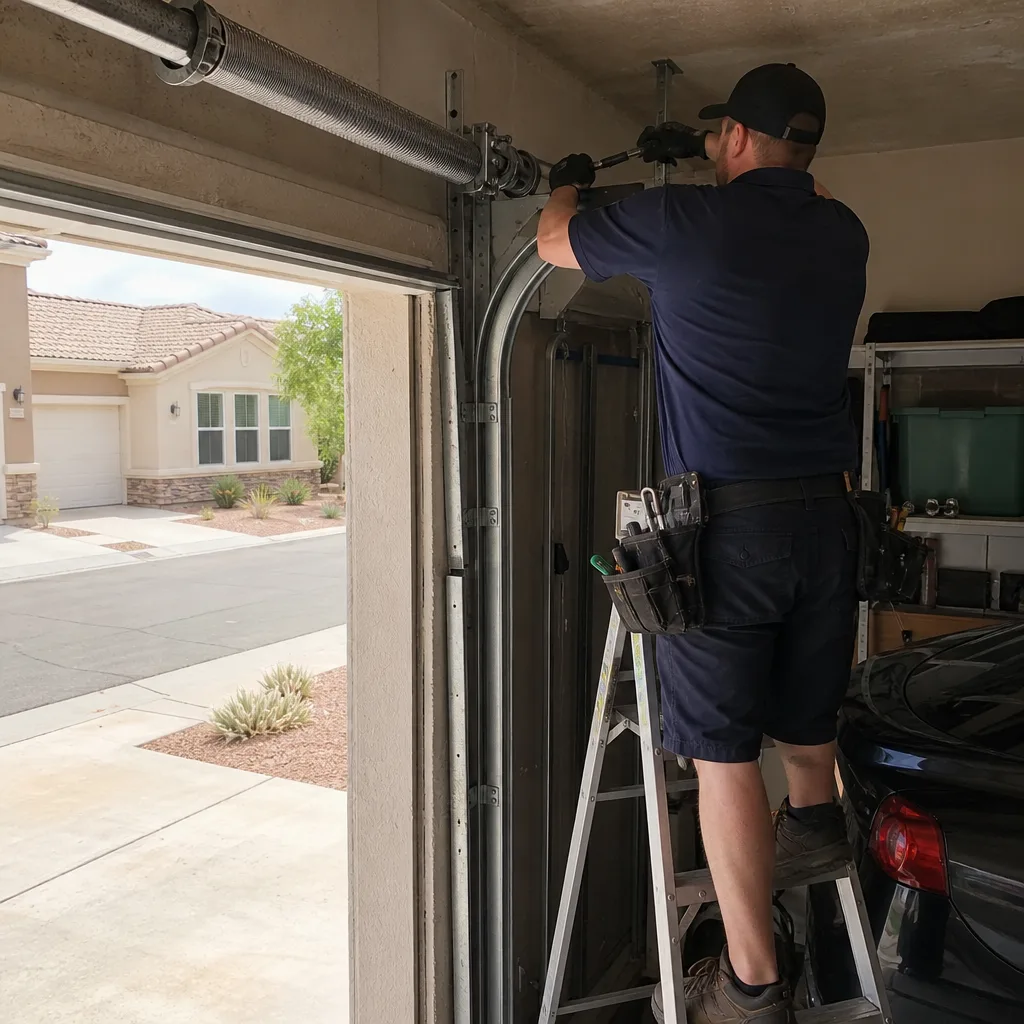
Last updated November 18, 2026
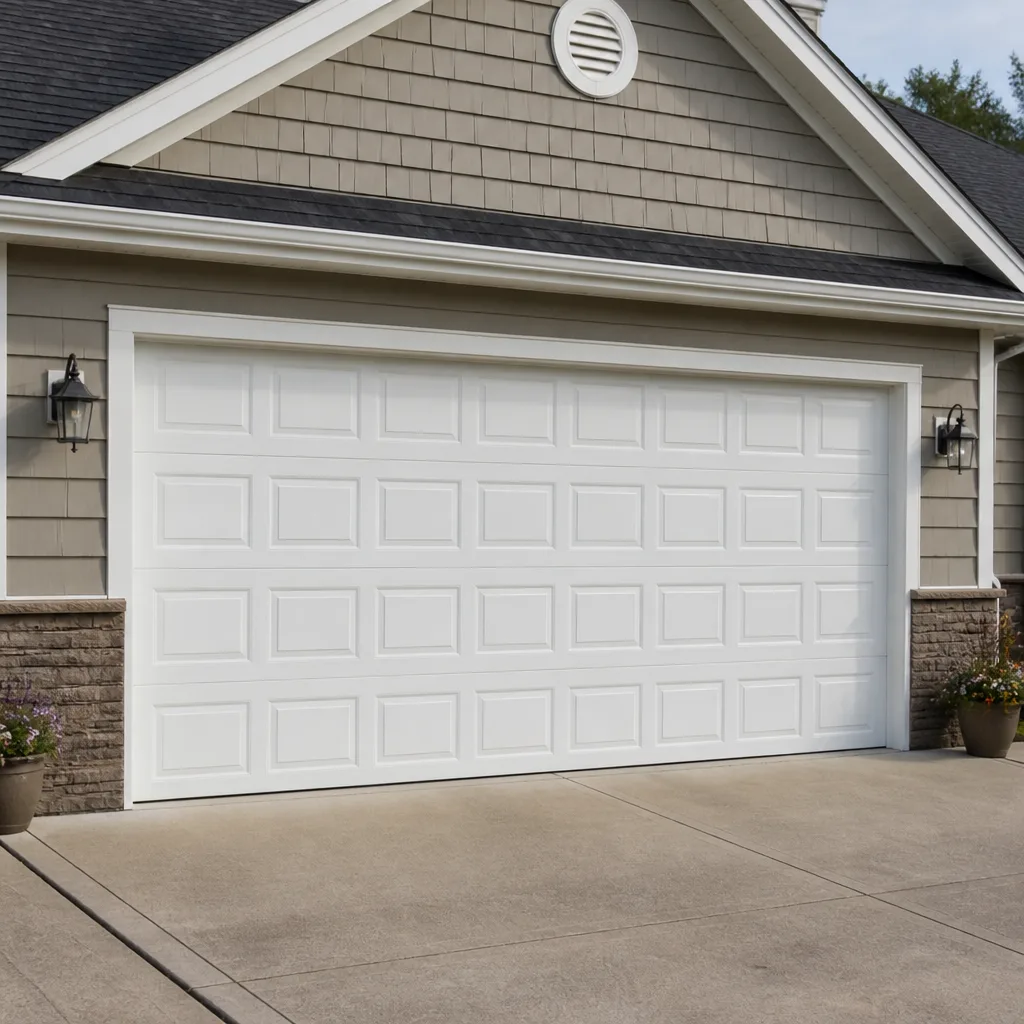 Raised-panel steel
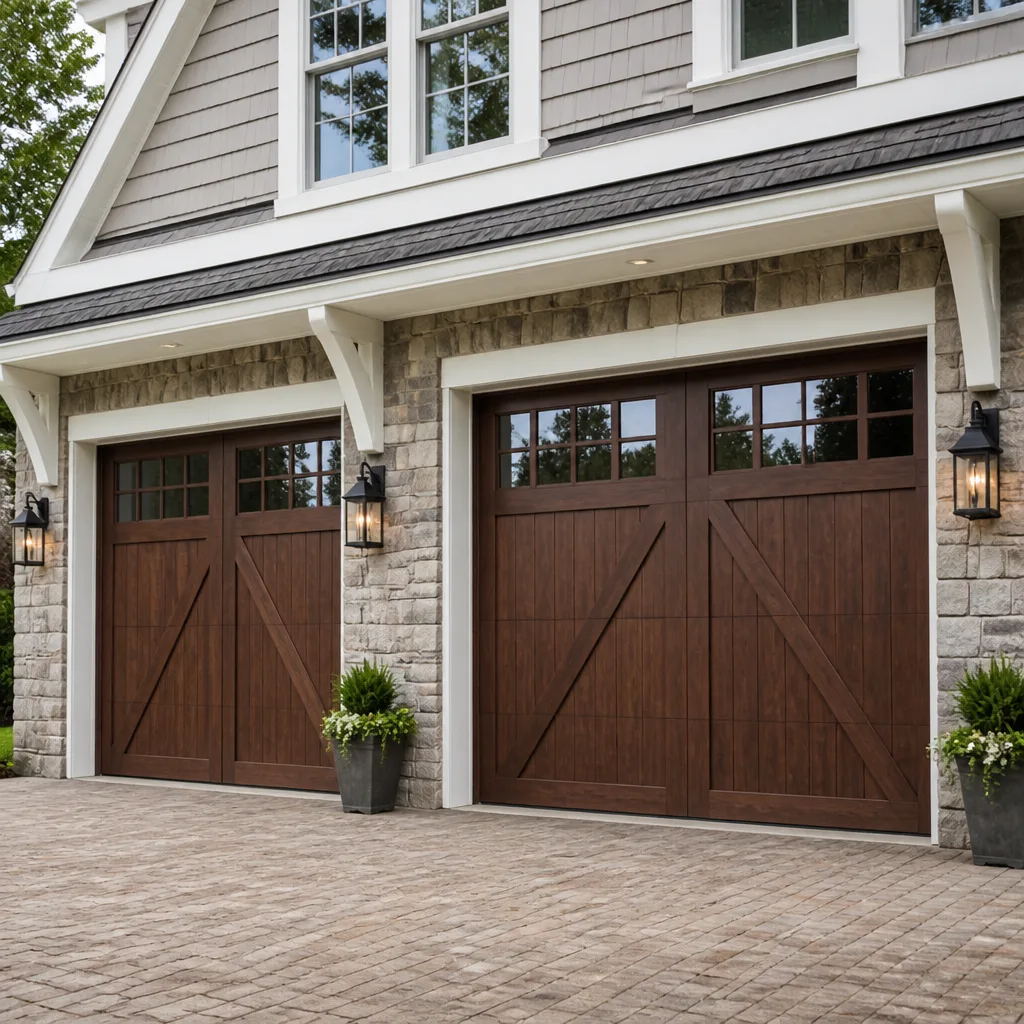 Carriage house
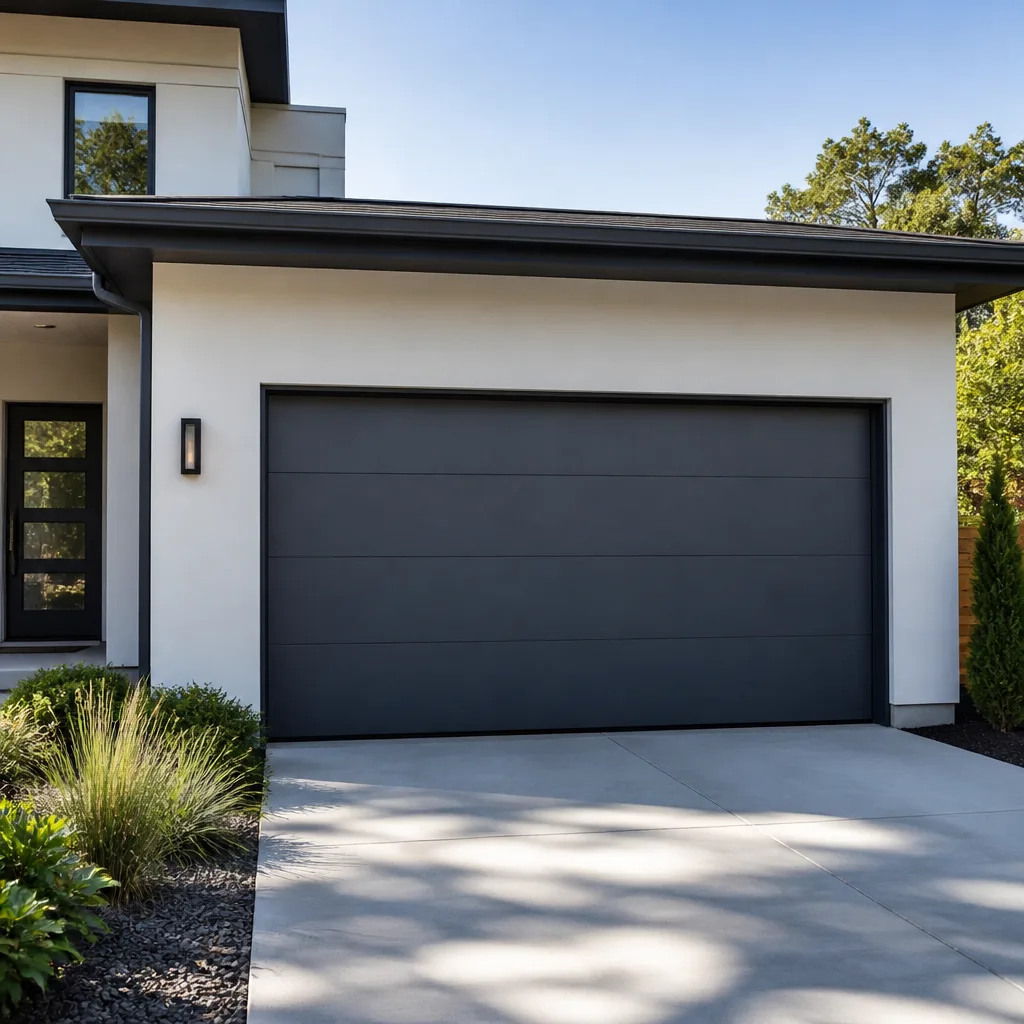 Modern flush
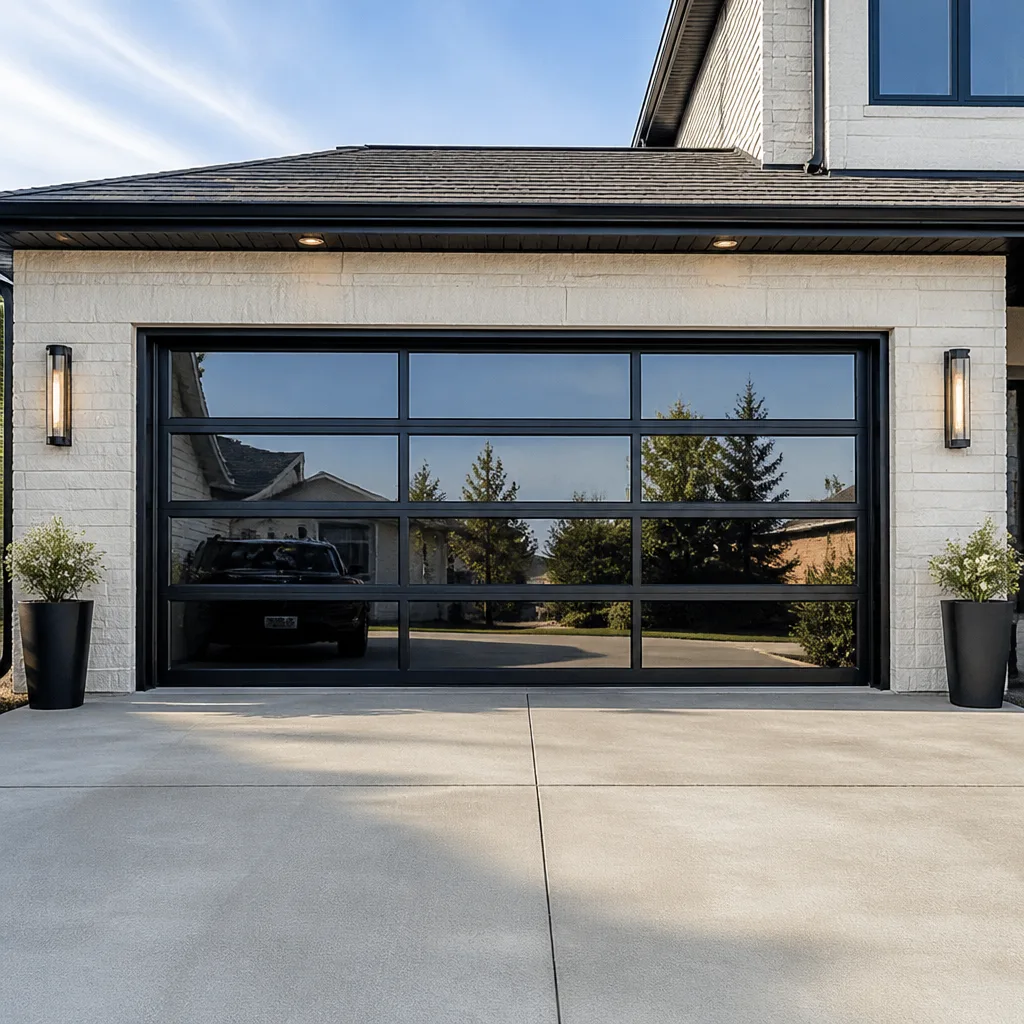 Full-view glass
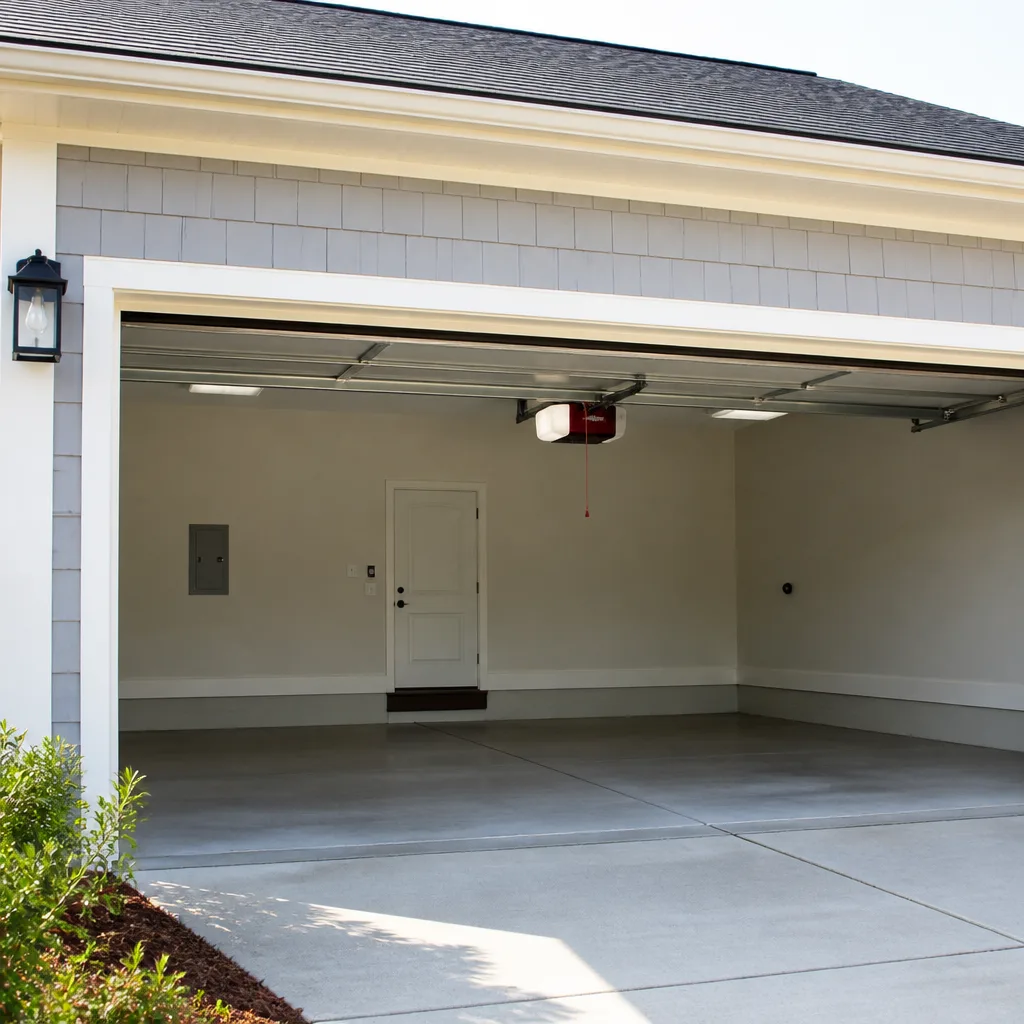 LiftMaster openers
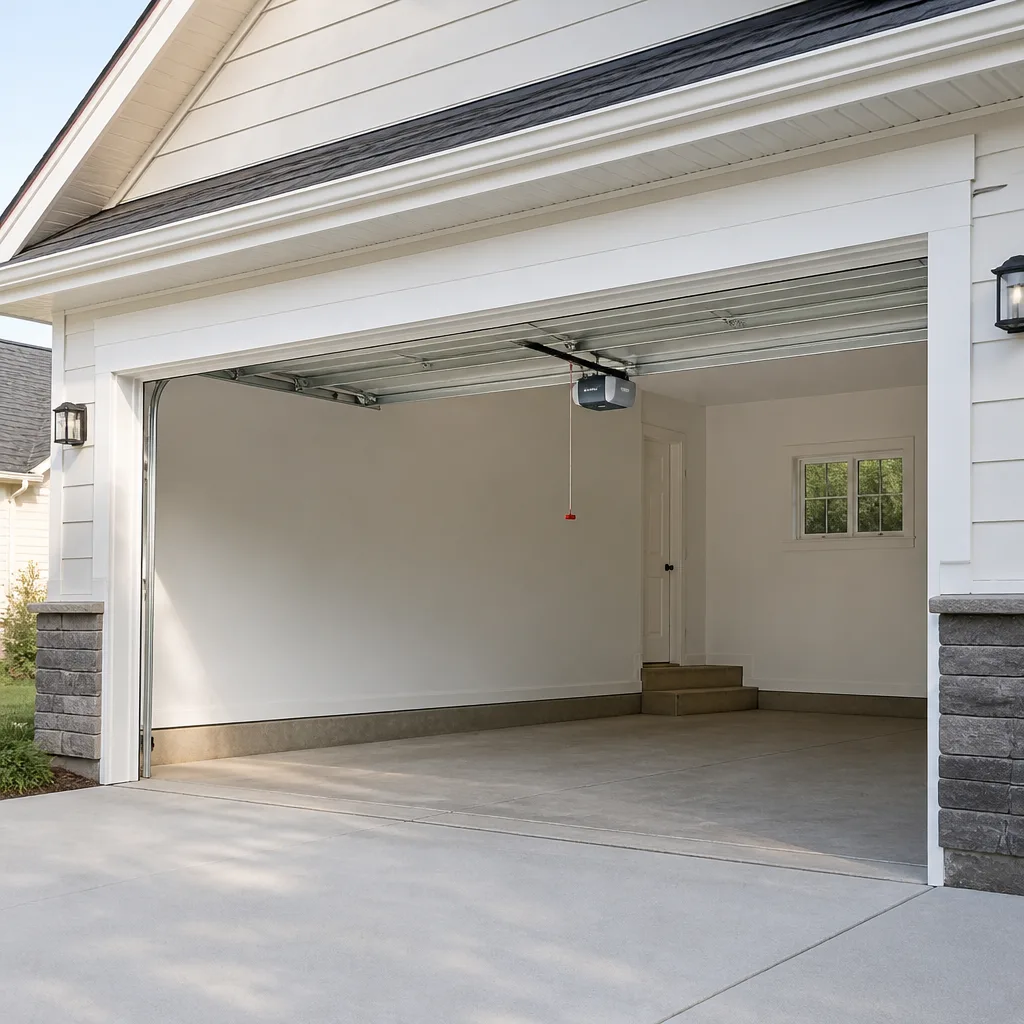 Chamberlain openers
Full 25-point door and opener safety check with every visit - springs, cables, rollers, tracks, and your LiftMaster or Chamberlain opener included
You get a price before we start. It does not change when the pro arrives.
Get your free estimateGarage Door Repair Maintenance Checklist for Summerlin Homeowners
Garage door lubricant applied in January in Summerlin will thin out and fling off the rollers by July. The same product, on the same schedule, holds up fine in Portland. That gap is the whole problem with most maintenance advice: it’s written for a climate that isn’t yours. Summerlin’s dust, triple-digit heat, and the daily swing between a 105°F afternoon and a 72°F night work on a garage door in ways a Midwest service manual never accounts for. What follows is a checklist built around the failure patterns we actually see here, sequenced by what you can safely do yourself and what belongs in a technician’s hands.
Quick Answer
A climate-adjusted Summerlin garage door maintenance checklist covers three things: re-lubricating high-temperature-rated moving parts every 90 days instead of annually, inspecting the bottom seal and panel seams after every monsoon season for alkaline dust and moisture damage, and leaving spring, cable, and torsion work to a trained technician. Do the eyes-only and hands-on checks monthly through summer, and book a professional tune-up once a year before the heat peaks.
Styles & brands we work with
- Raised-panel steel
- Carriage house
- Modern flush
- Full-view glass
- LiftMaster openers
- Chamberlain openers
Table of Contents
- Why a Summerlin Door Needs Its Own Schedule
- The Climate-Adjusted Lubrication Schedule
- Bottom Seal and Panel Seams: The Monsoon Check
- Spring Tension: What You Can See and Where You Stop
- What Worn Parts Actually Look Like After Desert Service
- The One-Page Checklist by Task Difficulty
- Seasonal Timing for the Las Vegas Valley
- What Maintenance and Repair Cost in Summerlin
Why a Summerlin Door Needs Its Own Schedule
A garage door in Summerlin lives a harder life than the same door in most of the country. The Las Vegas Valley routinely pushes past 110°F in July, and a west-facing garage wall can soak up enough radiant heat to push the door’s metal surface well above that. Then the desert night drops thirty degrees. That daily thermal cycle expands and contracts steel panels, hinges, and the torsion assembly thousands of times a year. Metal fatigues at those seams. Lubricant migrates away from the contact points and dries into a gummy film rather than staying slippery.
Add the dust. The Spring Mountains foothills around Summerlin – neighborhoods like The Ridges, Red Rock Country Club, and Summerlin West – sit close enough to open desert that wind-blown grit works its way into every roller track and hinge knuckle. That grit behaves like sandpaper on bearing surfaces that were machined to run smooth.
The practical result: a door tuned on a Midwest annual schedule will show wear here in a fraction of that time. Doors in The Trails and Sun City Summerlin that get only a once-a-year lube tend to develop squealing rollers, stiff hinges, and hesitant openers two summers earlier than they should. The fix isn’t exotic. It’s just a schedule matched to the climate – and that’s what the rest of this guide gives you. If your door is already making noise, start with a look at our Garage Door Repair in Summerlin service so nothing gets worse while you work through the list.
The Climate-Adjusted Lubrication Schedule
Here’s the rule that matters most: in Summerlin, lubricate every 90 days through the hot months, not once a year. The product you choose matters almost as much as the frequency. What you want is a lubricant that holds viscosity above 100°F – a lithium-complex grease or a silicone-based spray rated for high temperature. What you don’t want is a thin household oil or a general-purpose WD-40 (the base product, not a proper lubricant): both run off rollers within weeks once the door surface heats up, leaving bare metal to grind against grit.
Which parts to treat, and which to leave alone:
- Rollers: a light coat on the bearing surface, not the wheel face.
- Hinge pivots: a few drops worked into each knuckle.
- Torsion spring coils: a thin wipe only – grease attracts and holds dust.
- Track: clean and dry. Never grease a track. Grease plus desert grit equals a sticky channel that fights the door.
- Opener rail and chain: the manufacturer’s specified lubricant only, per the opener brand.
The 90-day interval isn’t arbitrary. In our experience across Summerlin, a properly rated lubricant applied in early May is still doing its job into August – but by September, after three months of heat cycling, it’s thinning. Reapply in fall, again in late winter, and once more as the heat returns. If you run a Clopay or Amarr door with nylon rollers, they shed grit better and hold lubricant longer than steel rollers, but they still need the touch-up. A stiff or noisy opener often traces back to a dry chain or worn gear, which is worth checking against our Garage Door Opener in Summerlin guide before you assume the motor is failing.
Bottom Seal and Panel Seams: The Monsoon Check
Summerlin sits in the Mojave, and monsoon season – roughly July through September – brings the one thing this desert isn’t built for: sudden heavy water. When that rain hits, it splashes up off hard-packed soil and pavement and drives against the bottom seal of your door. Over years, alkaline desert soil and splash-back water work on that rubber seal from the outside in.
A worn bottom seal is easy to ignore because you rarely see it. It’s also the most common entry point for moisture wicking up into the bottom panel, where it rusts from the inside. Here’s what to check, in order:
- Get low and look. With the door closed, crouch at the bottom and run a hand along the seal. It should feel pliable. If it’s cracked, rock-hard, or crumbling at the edges, it’s past its service life.
- Check for daylight and water lines. A thin strip of light under the closed door means the seal isn’t making contact. Rust-colored streaks on the bottom panel are a red flag for moisture that’s already getting in.
- Lift the seal edge slightly and look at the panel seam beneath. White crust or blistering paint is mineral and salt damage from alkaline splash-back – treat it before it becomes a rusted panel.
- Sweep the threshold. Debris and soil that pile against the seal hold moisture longer. Keep the apron clear.
Replacing a bottom seal is a hands-on-safe job for most homeowners and runs modestly. Catching it early protects the door panel, which is the expensive part – a new panel on a Wayne Dalton or Clopay door costs far more than a seal. For a full Garage Door Installation in Summerlin that needs a fresh seal and weatherstripping done right, we measure and quote before anything is ordered. And if water has already damaged a panel or the track has shifted, that’s the point to call rather than patch.
Spring Tension: What You Can See and Where You Stop
Let’s be direct about the most dangerous part of your door. The torsion spring – the coiled bar above the door, or the extension springs running alongside the tracks – carries the full weight of the door, often 150 pounds or more. If a torsion spring or the cables attached to it are under tension and something lets go, it can cause serious injury. This is exactly why the checklist splits here: you can look at a spring, and you should. You must not adjust, wind, or touch one. That line is not negotiable.
Safe visual checks you can do with the door closed, standing well clear:
- Look for a visible gap. A healthy torsion spring is a tight coil. A separation or a bright gap along its length signals fatigue or a break.
- Check the ends. Extension springs should have safety cables running through them. If a cable is missing or detached, stop and call.
- Listen and watch on one open/close cycle. A door that lifts heavily, slams down, or won’t stay partway up is showing you a spring that’s lost tension. Don’t cycle it again – call.
- Look at cable ends where they meet the drum and the bottom bracket. Fraying, kinks, or a slack cable mean trouble under load.
The moment you see a broken spring, a frayed cable, or a door that won’t balance, stop using the door and unplug the opener. Don’t try to help it up and down. This is the exact scenario where a trained professional with the right tools and winding bars belongs. We answer the phone around the clock for this reason, and our Mainspring Garage Door Co. Summerlin home page walks through how we handle emergency calls.
What Worn Parts Actually Look Like After Desert Service
Pictures beat words for this, so here’s how to read your own door the way a technician does. These are the normal-versus-worn comparisons that come up across Summerlin service calls.
Rollers
Normal: a steel or nylon wheel that spins freely in its stem, with a clean bearing and no flat spots. Worn: one that wobbles, grinds when you spin it, or has a flattened face. Desert grit tends to flatten steel rollers first, which makes the door lurch slightly as it moves. If a roller won’t spin by hand, it’s dragging.
Hinges
Normal: a hinge that pivots smoothly and sits tight to the panel. Worn: a knuckle that’s wallowed out and sloppy, or one with rust bleeding at the pin. After a few desert summers, hinges on the doors we service often dry out and start to squeal before they fail – a quarter-turn of the right lubricant buys real time.
Cable ends
Normal: a cable that’s taut, evenly wound on the drum, with clean, straight strands. Worn: any fraying, bird-caging, kinking, or rust. A single broken strand means the cable is compromised. This is a stop-and-call condition, never a do-it-yourself fix.
The bottom panel and seal
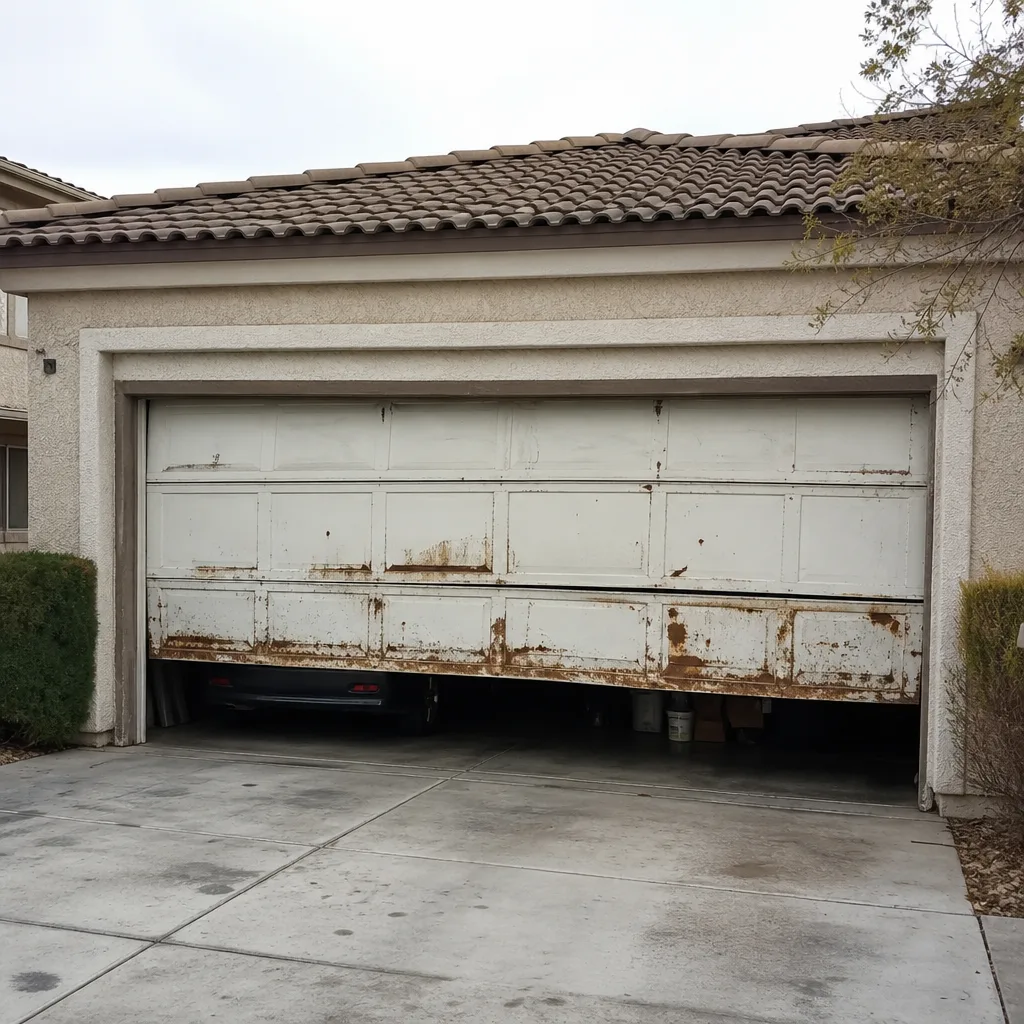
Normal: firm rubber seal, flat paint, no bubbling. Worn: chalky, cracked rubber and paint that’s lifting or blistered along the bottom edge – the tell-tale sign of moisture and alkaline soil at work.
The One-Page Checklist by Task Difficulty
Print this and keep it on a hook by the door. It’s organized by what’s safe to do at each level.
Eyes-only (monthly, no tools, no contact)
- Watch one full open/close cycle. Door should move smoothly, quietly, and evenly.
- Look for a gap, break, or separation in the torsion spring.
- Check extension springs for safety cables present.
- Scan cable ends for fraying or kinks.
- Confirm the door reverses when it meets an obstruction (the safety test).
Hands-on safe (every 90 days)
- Lubricate rollers, hinge pivots, and spring coils with a high-temp-rated product.
- Clean the tracks with a dry cloth – no grease.
- Spin each roller by hand; replace any that don’t turn freely.
- Check bottom seal for cracks and clear debris from the threshold.
- Test the opener’s safety sensors and the manual release.
Professional-only (annual, or any time you see a red flag)
- Any spring adjustment, replacement, or winding.
- Cable replacement or re-tensioning.
- Track realignment and roller replacement under load.
- Opener gear, motor, or board diagnostics.
- Balance and travel-limit tuning after any part changes.
That split – eyes-only, hands-on, professional – is the whole discipline. It keeps you safe and keeps the door in service. If you want the annual professional pass done right, our $89 Seasonal Tune-Up covers it.
Seasonal Timing for the Las Vegas Valley
Forget the four-season calendar you might have followed back East. Summerlin runs on a different clock. The right timing for each task lines up with the heat, the dust, and the rain.
- April, before the heat peaks: the most important lube of the year. Get the high-temp product on every moving part before the 100°F days arrive. Book the professional tune-up now, too.
- July through September, monsoon: check the bottom seal and panel seams after any heavy rain. Watch for water intrusion and mineral streaks.
- October, after monsoon: re-lubricate and do a full wear inspection. This is when grit and moisture damage from summer show up.
- January or February, cool-season reset: another lube, a sensor and reverse test, and a look at door balance.
One more local note: doors that face west or sit against a sun-baked wall in neighborhoods like Summerlin West and The Ridges take the worst of the radiant heat, so they can benefit from an extra mid-summer lube. If your door is on its way out rather than just tired, the difference between repair and replacement is worth understanding before you spend on either.
What Maintenance and Repair Cost in Summerlin
You should know roughly what things cost before you call anyone, so here are the ranges we quote here. Every job is quoted and agreed before any work starts – the price you hear is the price on the bill.
| Task | Typical Summerlin range |
|---|---|
| Seasonal tune-up (lube, balance, safety test) | $89 flat |
| Bottom seal replacement | $90 – $180 |
| Roller or hinge replacement (set) | $120 – $250 |
| Torsion spring replacement | $220 – $390 |
| Cable replacement | $150 – $280 |
| Opener repair or replacement | $150 – $500+ |
These are ranges, not promises, because a Clopay panel door with heavy hardware costs more to service than a lighter builder-grade door. What doesn’t change is how we work: we state the flat price up front, and it’s covered in writing by our 90-Day Done Right Promise. Current offers include $50 Off Any Repair Over $250, a Free Second Opinion on any written estimate, and a permanent 5% discount for seniors and veterans. If another shop has already handed you a quote, get our free second opinion before you sign.
Common Mistakes to Avoid
- Greasing the tracks. It feels like it should help, but in Summerlin’s dust it turns the channel into a grit magnet that fights the door. Tracks stay clean and dry.
- Using thin household oil. It’s fine in a cooler climate and gone by July here. Use a product rated for high heat or you’ll be re-lubricating every few weeks.
- Following an annual lube schedule. A once-a-year tune borrowed from a Midwest manual is too little for the desert. Ninety days through summer is the real number.
- Adjusting springs yourself. This is the mistake with the worst consequences. Under full door weight, a torsion spring is unforgiving. Stop at watching and call.
- Ignoring the bottom seal after rain. Letting alkaline splash-back sit against a cracked seal is how a cheap seal turns into an expensive rusted panel.
- Cycling a door with a broken spring. Running the opener against a door that’s lost its spring strains the motor and the cables. Stop and unplug it.
- Skipping the safety reverse test. It takes ten seconds and it’s the single most important safety check on the whole door.
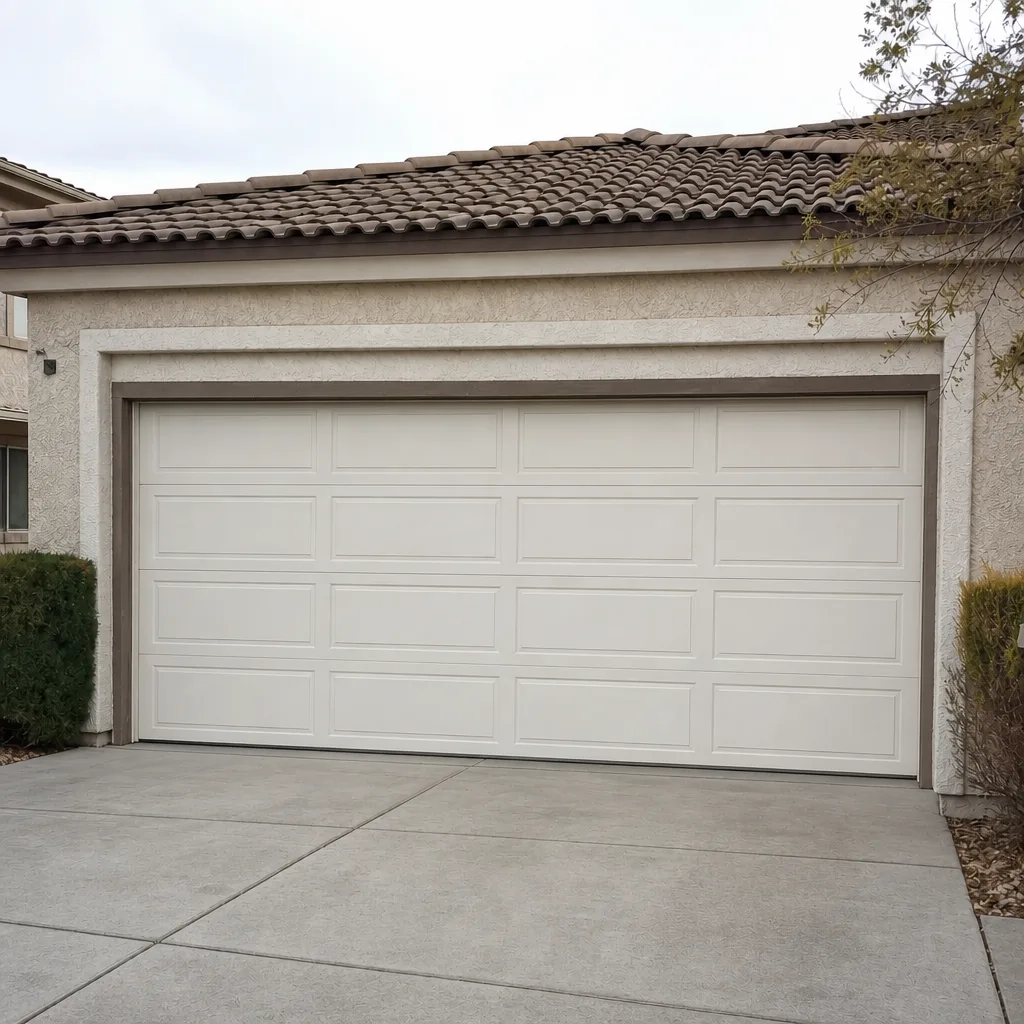
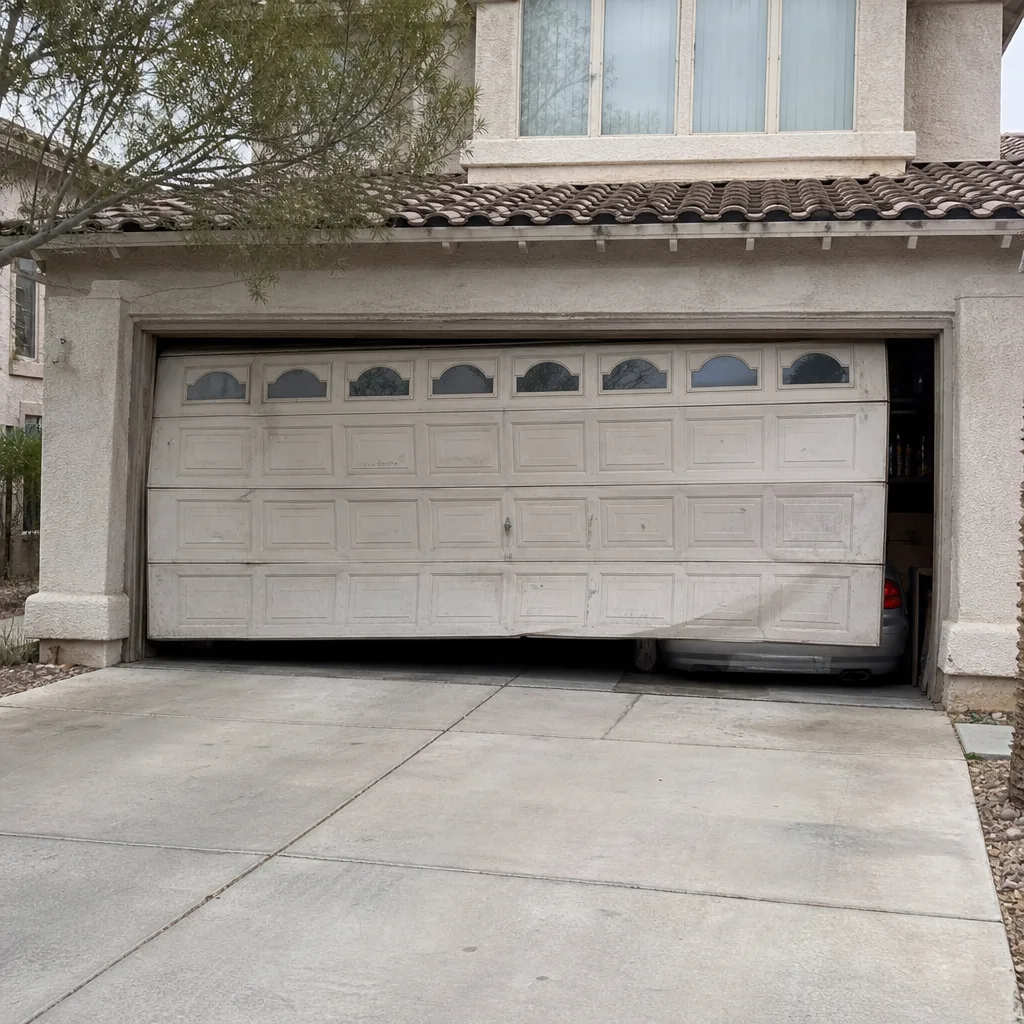
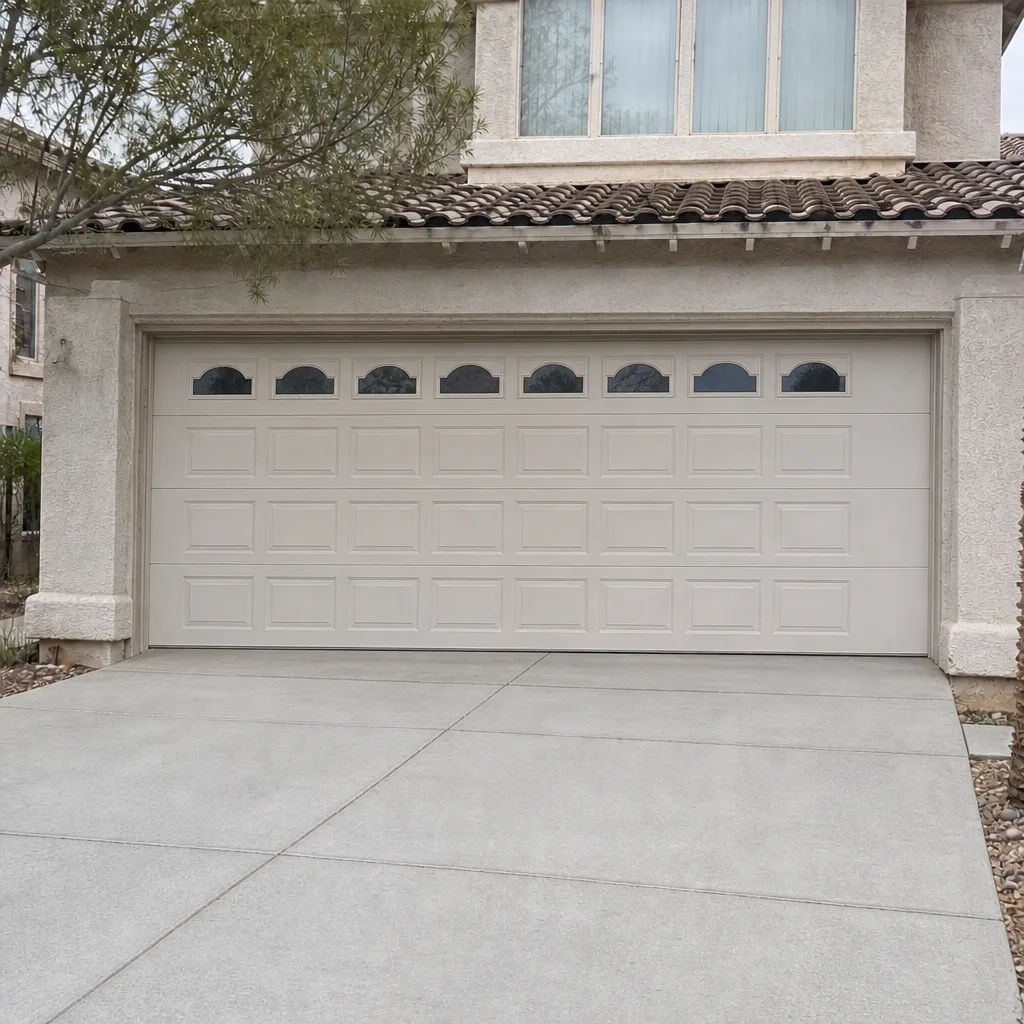
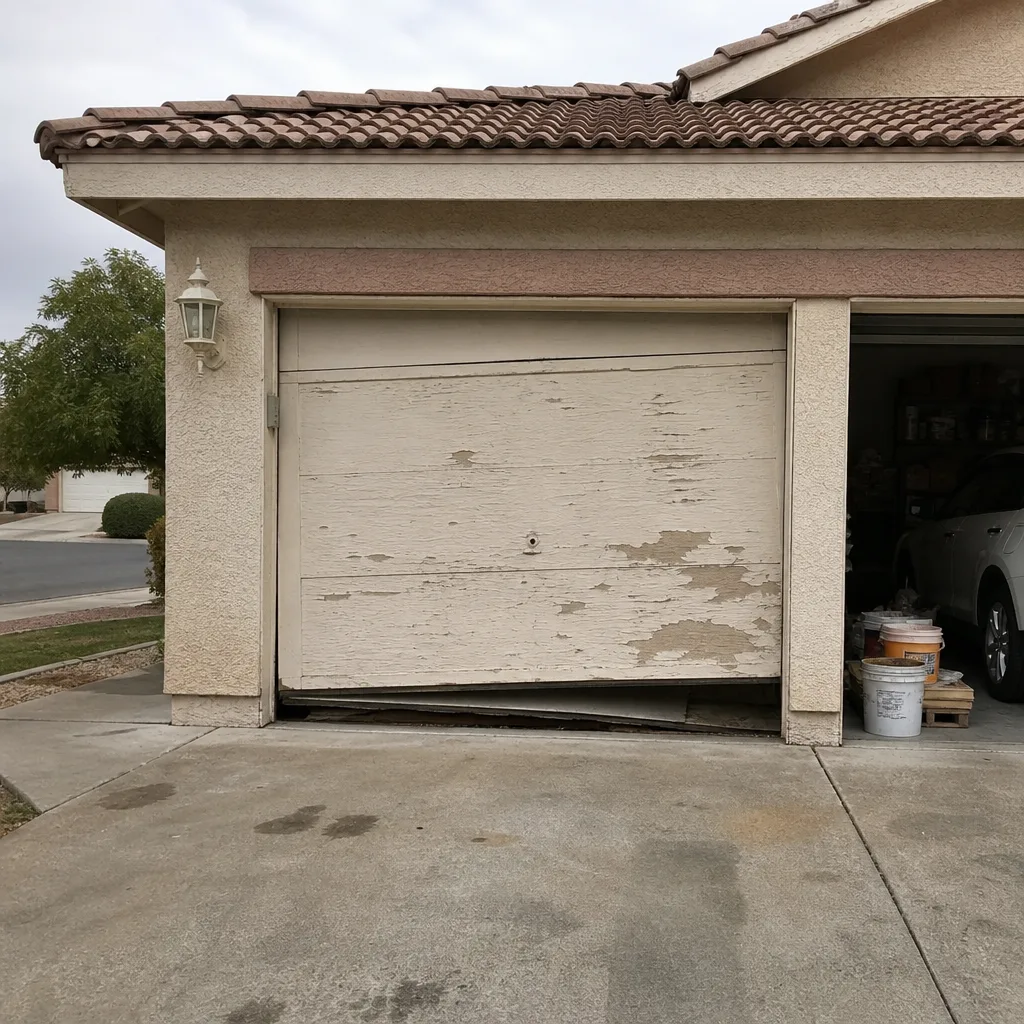
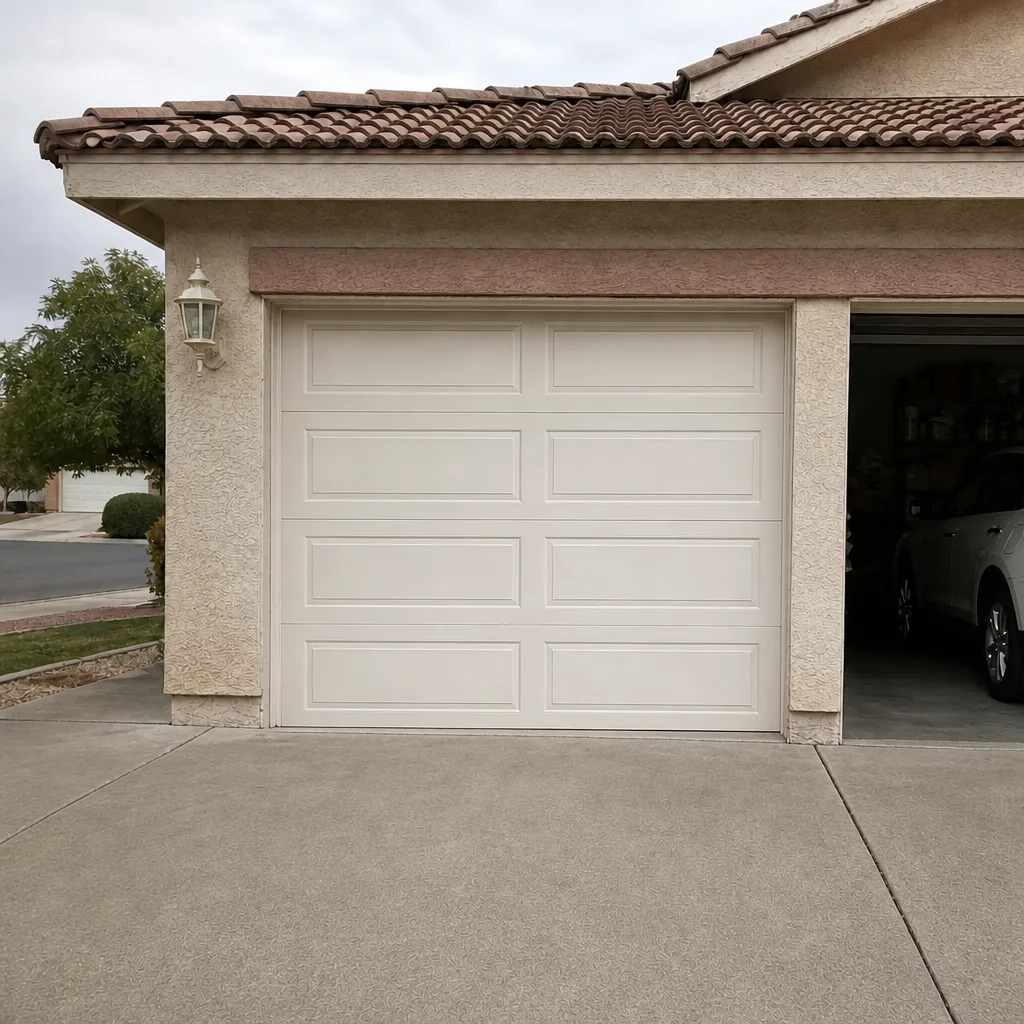
See the difference
 Before
 After
 Before
 After
 Before
 After
When to Call a Professional
Some things on this list are yours to handle. A few are not, and knowing the difference protects both your door and you. Call a technician for any broken or sagging torsion or extension spring, any frayed or kinked cable, a door that won’t balance or that slams down, a track that’s bent or out of line, or an opener that’s straining, reversing early, or failing to respond. Those all involve stored energy or load-bearing hardware that demands the right tools and training. Mainspring Garage Door Co. Summerlin offers free estimates in Summerlin – call (855) 608-8802. Our technicians have up to 10 years of experience, they arrive with springs, cables, and openers on the truck so most jobs finish in a single visit, and every job is backed in writing for 90 days.
Frequently Asked Questions
Every 90 days through the hot months – so roughly four times a year – rather than the annual schedule most manuals list. Summerlin’s heat thins lubricant faster than cooler climates, so a product rated for high temperatures reapplied each quarter keeps rollers and hinges running quiet. If you’d rather not track it yourself, our $89 Seasonal Tune-Up handles the lube, balance, and safety test in one visit. Call (855) 608-8802 for an exact price.
Heat-driven lubricant loss and dust contamination are the two biggest culprits here. Grit works into rollers and tracks while the heat dries out the moving parts, and the combination shows up as squealing, stiff hinges, and a door that hesitates. A climate-matched lube schedule prevents most of it. If your door is already noisy, call (855) 608-8802 – estimates are free.
No. A garage door spring carries the full weight of the door under tension, and adjusting or winding one without the right training and tools can cause serious injury. You can safely look for a gap or break and listen for a door that won’t balance, but stop there. Call a technician for any spring or cable work – (855) 608-8802 gets a live person, any hour.
Check right after the rain: if the seal feels rock-hard, cracked, or crumbling, or you see daylight under the closed door, it needs replacing. Rust streaks or white mineral crust on the bottom panel mean moisture and alkaline soil are already getting in. It’s an affordable fix that protects the expensive panel. Call (855) 608-8802 and we’ll take a look – estimates are free.
Yes – a yearly professional tune-up catches the wear that quarterly homeowner checks can’t, like cable condition under load and opener gear wear. In this heat, one annual pass before summer plus your own 90-day lube schedule keeps a door in service far longer. The $89 Seasonal Tune-Up covers the full check. Call (855) 608-8802 to schedule before the heat peaks.
No. We quote a flat price and agree on it before any work begins, so there are no surprises on the bill. If something turns up once we’re into the job, we talk to you before touching it. Every job is backed in writing by our 90-Day Done Right Promise. Call (855) 608-8802 for a free estimate.
The Bottom Line
Your Summerlin garage door’s maintenance schedule is set by the desert, not by a manufacturer’s PDF. Lubricate every 90 days with a high-heat product, inspect the bottom seal and panel seams after every monsoon, and keep a clear line between what you can safely check and what belongs to a technician – especially anything touching springs and cables. Do the eyes-only and hands-on tasks yourself, book one professional tune-up a year, and your door will run quiet and stay out of your way. When something crosses that line into professional-only territory, we’re a phone call away. Call (855) 608-8802 for a free estimate, and we’ll give you a square deal, stated up front, backed in writing.
Written by the team at Mainspring Garage Door Co. Summerlin.