
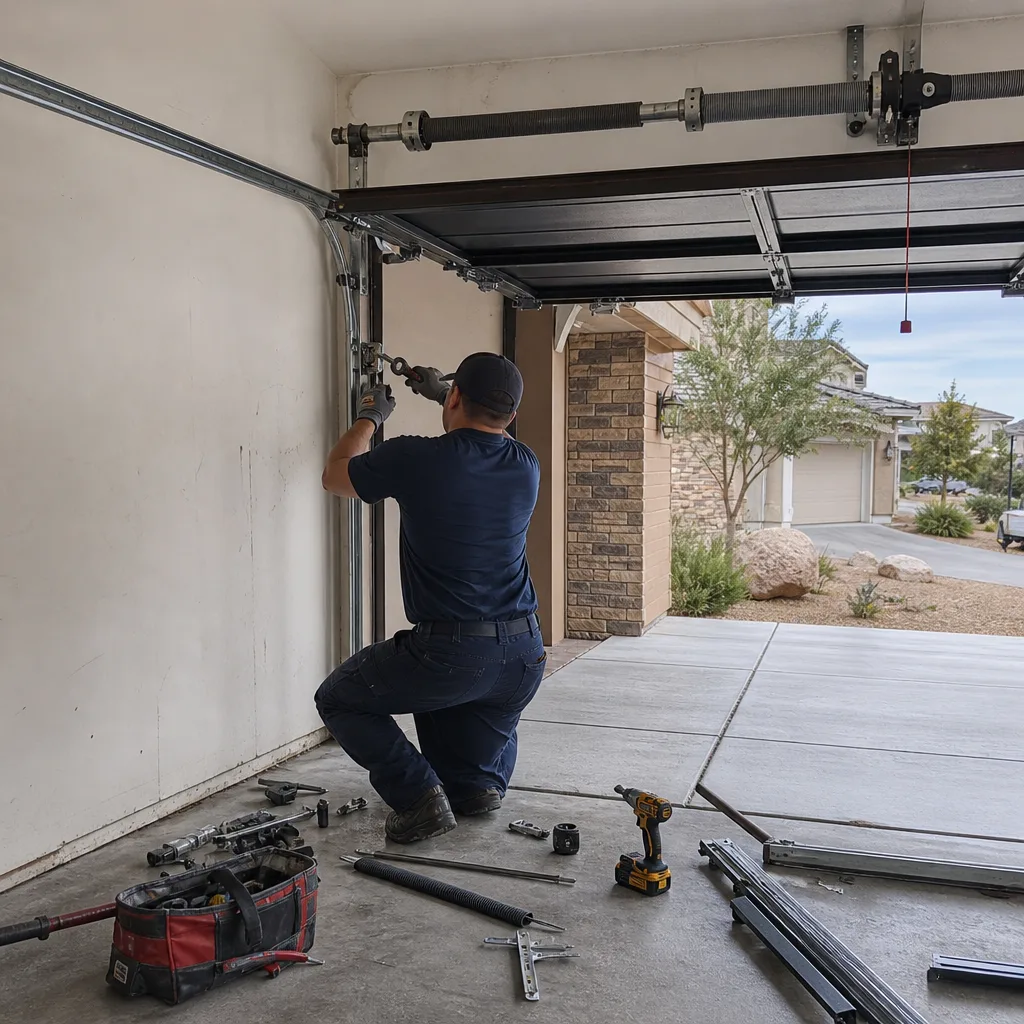
Last updated November 18, 2026
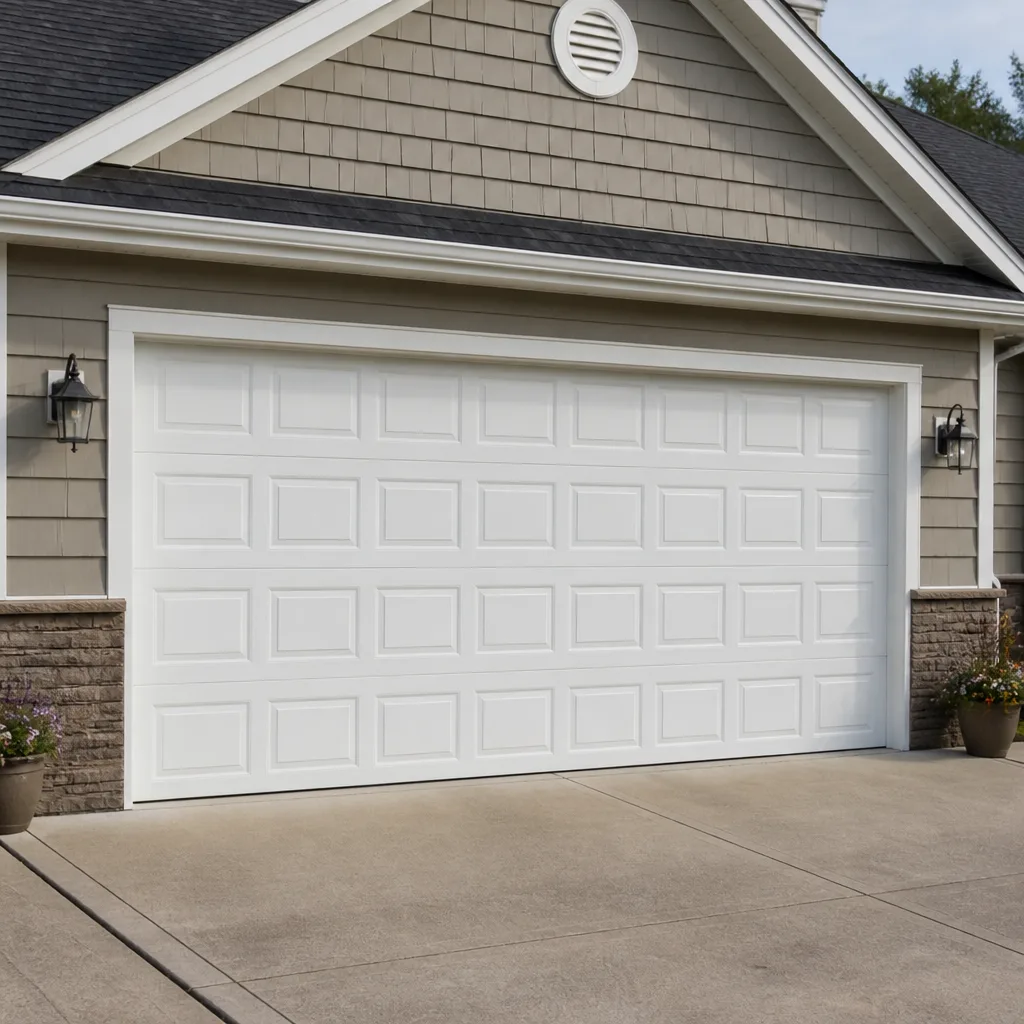 Raised-panel steel
 Carriage house
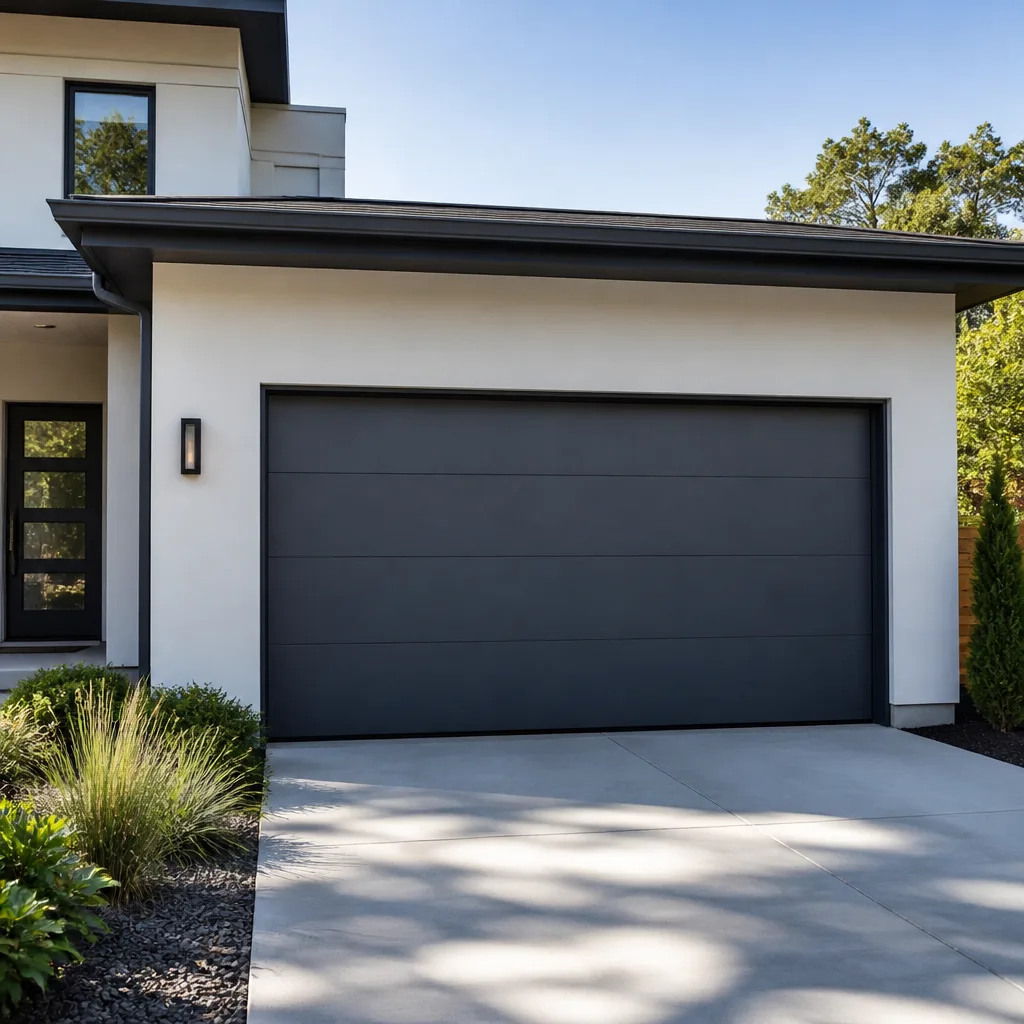 Modern flush
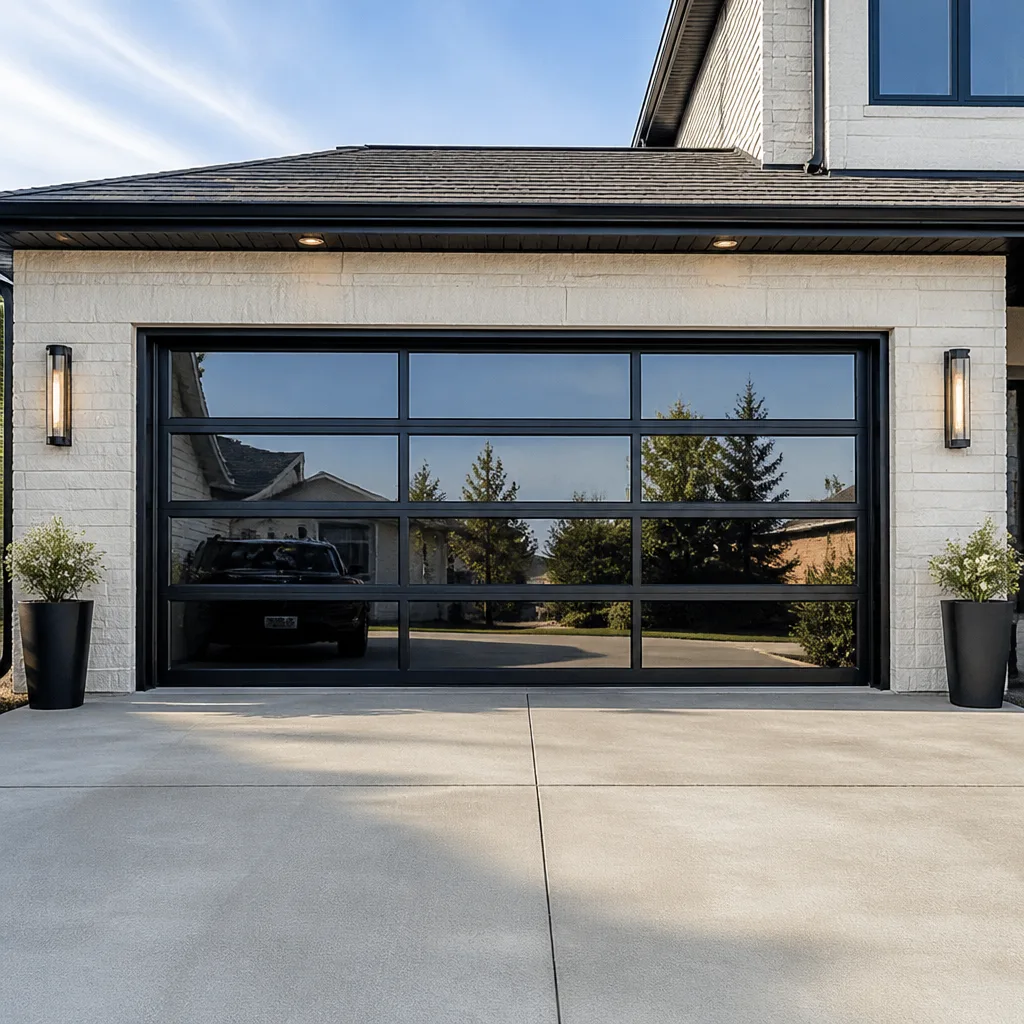 Full-view glass
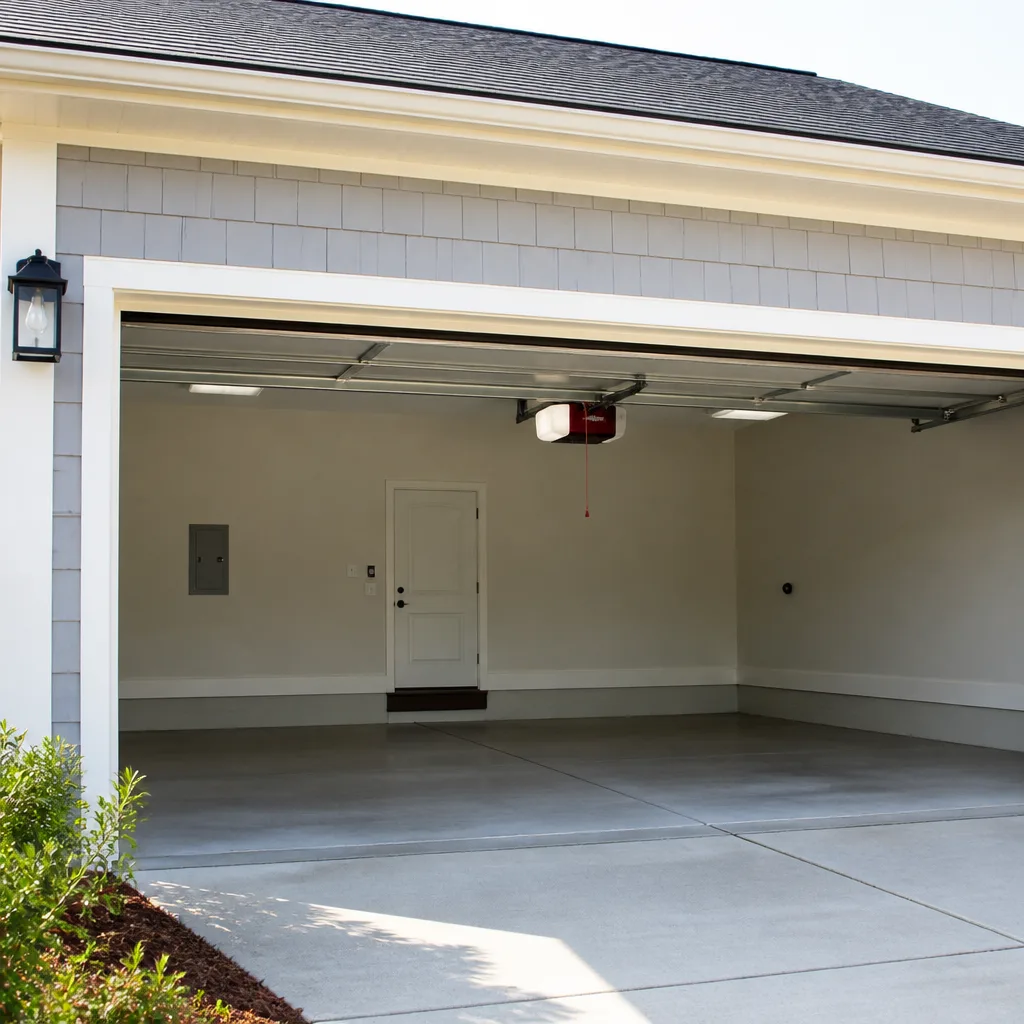 LiftMaster openers
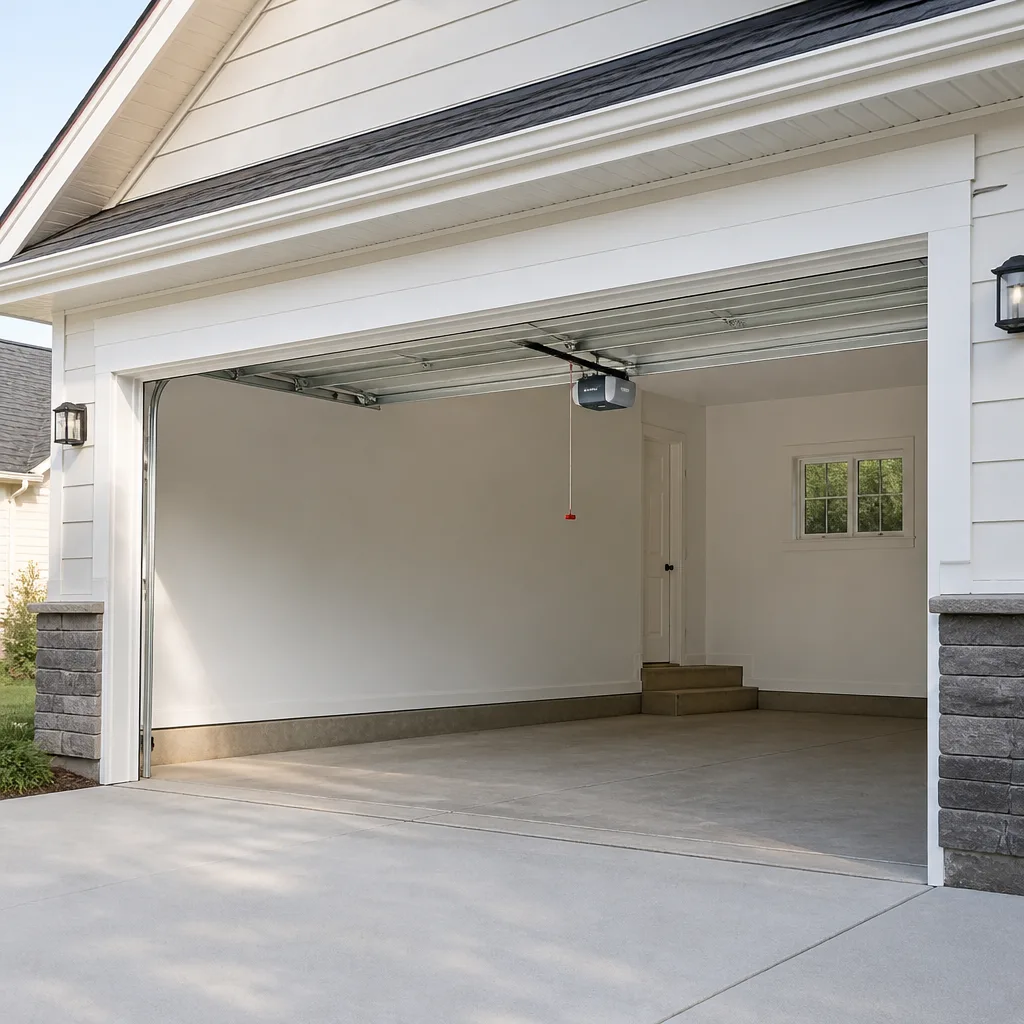 Chamberlain openers
Full 25-point door and opener safety check with every visit - springs, cables, rollers, tracks, and your LiftMaster or Chamberlain opener included
You get a price before we start. It does not change when the pro arrives.
Get your free estimateGarage Door Repair Maintenance Schedule: What to Do and When
Applying standard garage door lubricant in July in Summerlin is counterproductive. Most petroleum-based sprays thin to near-water consistency above 100°F, and they leave metal parts less protected than before you started. That single fact is why a calendar-based maintenance schedule fails here. The trigger for service in Summerlin isn’t the date on the wall; it’s the temperature shift that stresses springs, cables, and rollers in a specific order. This guide lays out a maintenance schedule built around heat events rather than months, the lubricants that actually hold up above 95°F, a five-minute inspection routine, and the tasks that quietly void your manufacturer’s warranty if handled the wrong way.
Quick Answer
The right garage door maintenance schedule is tied to seasonal temperature shifts, not fixed months. In Summerlin, that means a full lubrication and balance check before summer heat sets in (April or early May), a hardware and safety inspection during the post-summer cool-down (October), and a mid-winter tune-up in January. A five-minute visual check once a month catches most problems early. Tracks, rollers, and cables on a high-use door need adjustment roughly every six to nine months; a low-use garage can go twelve to eighteen months between adjustments.
Styles & brands we work with
- Raised-panel steel
- Carriage house
- Modern flush
- Full-view glass
- LiftMaster openers
- Chamberlain openers
Table of Contents
- Why Temperature, Not the Calendar, Sets Your Schedule
- The Three Temperature-Event Service Windows
- Choosing Lubricant That Survives Desert Heat
- The Five-Minute Visual Inspection Routine
- How Often Tracks, Rollers, and Cables Actually Need Adjustment
- Maintenance Tasks That Void Manufacturer Warranties
- Common Mistakes to Avoid
- When to Call a Professional
- Frequently Asked Questions
Why Temperature, Not the Calendar, Sets Your Schedule
A garage door is a system of metals, cables, and springs that expand and contract at different rates. In Summerlin, that expansion cycle is extreme. Surface temperatures on a west-facing garage door can climb past 140°F in July, and a cold January night in the same driveway can dip toward freezing. The metal doesn’t care what month it is. It cares how many heat cycles it has absorbed and whether the lubrication is still doing its job.
Where most maintenance advice fails is that it treats every climate the same. A door in coastal Oregon and a door in Summerlin face completely different stress patterns. Here, springs lose tension faster in the heat, lubricant breaks down sooner, and rubber weather seals crack from UV exposure long before their rated lifespan. If you follow a generic “check monthly, lubricate quarterly” schedule, you’ll be lubricating at the wrong times and skipping the checks that matter most in this climate.
Our technicians, who have up to 10 years of experience working on desert doors, see the consequences of calendar-based maintenance constantly. A homeowner who lubricates in June instead of April arrives at peak summer with thinned-out product and dry hinges. The metal grinds, and by August a roller has worn flat. The fix costs more than the maintenance would have. That’s why the schedule in this guide is organized around the three moments when Summerlin weather actually changes the stress on your door.
If you’re starting from scratch with a door that hasn’t been serviced in years, the schedule below is the right framework, but a Garage Door Repair in Summerlin assessment first will tell you what’s already worn and what still has life in it.
The Three Temperature-Event Service Windows
Instead of a monthly checklist, we use three service windows in Summerlin, each tied to a predictable temperature shift. This is the core of the maintenance schedule, and it’s the part that homeowners tend to skip.
Window 1: Pre-Summer (April to early May)
This is the most important service of the year. Before the first sustained 95°F days, the door needs fresh high-temperature lubricant on every moving point, a balance and tension check, and an inspection of the rubber seals before UV season begins. This is also the best time to test the safety reverse mechanism, because you want any problem found before you’re running the door daily to escape the heat.
Window 2: Post-Summer Cool-Down (October)
The first cool week after summer is when heat stress reveals itself. Springs that were borderline in August often fail in October as the metal contracts. We check for stretched cables, glazed or flattened rollers, and tracks that have shifted from thermal expansion. This is the window where a repair caught early stays a small repair. When we see a door in October with a cable that’s starting to fray, replacing it that week usually costs a fraction of what a snapped-cable emergency call costs in December.
Window 3: Mid-Winter Tune-Up (January)
Winter in Summerlin is mild by most standards, but the temperature swing from a warm afternoon to a cold night is what fatigues hinges and rollers. A January tune-up re-lubricates with a product rated for the cooler range, checks the opener’s force settings, and confirms the door is balanced for the year ahead. The $89 Seasonal Tune-Up offer fits this window exactly.
If your opener is older than about ten years or has been repaired more than twice, the January window is also a good time to evaluate whether it’s time for a Garage Door Opener in Summerlin replacement. Genie and LiftMaster units both have clear service-life markers that show up in a tune-up inspection.
Choosing Lubricant That Survives Desert Heat
Most spray lubricants sold at hardware stores are petroleum-based and thin out badly above 95°F. In Summerlin, that means your “lubrication” is closer to a light oil slick by July, and it has migrated off the moving parts by August. The right product for desert heat is a silicone-based or synthetic lithium grease rated for high temperatures, applied in a small amount to specific points.
We see this failure repeatedly. A homeowner buys a general-purpose spray, applies it in June, and by August the hinges are dry and the rollers are squealing. The spray didn’t protect anything; it just looked like it did. The fix is straightforward: choose a product with a stated high-temperature rating and use it sparingly at the right pivot points.
Where to apply it:
- Hinges: one small drop at each hinge pivot, not a soaking spray.
- Rollers: a light coat on the roller stems, avoiding the sealed bearings.
- Torsion spring (lightly): only if the manufacturer recommends it; many sealed springs need nothing.
- Track curves: a thin film on the curved section where rollers turn, not the entire straight track.
- Opener rail and chain: use only the manufacturer’s specified product, never a general lubricant.
Do not lubricate the tracks themselves on the straight sections. That’s a common mistake that attracts dust and grit, which then wears the rollers faster. If you’ve been lubricating the whole track for years, that’s a small habit worth breaking.
The Five-Minute Visual Inspection Routine
Most garage door failures don’t start suddenly. They start as something visible that nobody looked at. This five-minute routine, done once a month, catches roughly 80% of impending failures before they become repair calls. It doesn’t require tools or any comfort with the mechanical parts, and it’s the highest-value five minutes you’ll spend on the door all month.
- Listen on the way up and down. Run the door and stand still. Grinding, popping, or a rhythmic scrape means a roller, hinge, or track has a problem. A door that sounds different this month than last month is telling you something.
- Watch the door travel. It should move evenly and settle flat. A door that hesitates, jerks, or lands crooked needs a balance check.
- Look at the springs (visual only). From a safe distance, check the torsion spring above the door for a visible gap. A gap means the spring has broken. Do not touch a broken spring.
- Check the cables for fraying. The two cables that run down each side should look smooth and tight. Frayed strands near the bottom bracket are a warning sign, not something to work around.
- Test the safety reverse. Place a small object in the door’s path and close it. The door should reverse on contact. If it doesn’t, stop using the door and call.
- Look at the weather seal. The rubber seal along the bottom and sides should be pliable, not cracked or missing chunks. In Summerlin’s UV, this seal degrades faster than in most climates.
None of these steps requires adjusting anything. They’re observations, and any of them that turns up a problem is a reason to stop and call rather than keep using the door.
How Often Tracks, Rollers, and Cables Actually Need Adjustment
Adjustment frequency depends on use, not on the calendar. A door used four or more times daily in a household with two cars leaving and returning wears its moving parts about twice as fast as a low-use garage. In Summerlin, where many households have a garage that functions as a second entry door, high-use is the norm.
The realistic adjustment intervals:
- High-use door (4+ cycles daily): tracks, rollers, and cables checked every six to nine months. This matches the pre-summer and post-summer windows above.
- Moderate use (2 to 3 cycles daily): checked every nine to twelve months.
- Low-use garage (fewer than 2 cycles daily): checked every twelve to eighteen months, though the visual inspection should still happen monthly.
Rollers wear on a similar cycle. Nylon rollers typically last longer than steel rollers but still need replacement when they develop flat spots. Cables, when they’re in good condition, last years; a cable that starts to fray needs attention immediately, not at the next scheduled adjustment, because a snapped cable can drop the door hard. Tracks can shift out of plumb from thermal expansion alone. In Summerlin, we regularly see tracks that have bowed slightly on the sunny side of the garage after several summers, which is why the post-summer inspection is worth doing even on a door that feels fine.
Anyone who tells you these parts never need adjustment is skipping the checks. If a door in a Summerlin home has been running four or more cycles a day for two years without a check, that’s overdue.
Maintenance Tasks That Void Manufacturer Warranties
Manufacturers like Clopay, Amarr, and Wayne Dalton build their warranties around certain conditions. Doing the maintenance yourself, up to a point, doesn’t void anything. Doing it wrong can.
The tasks most likely to void or complicate a warranty claim:
- Adjusting the torsion spring or replacing it yourself. Springs are rated for a specific number of cycles, and a manufacturer will typically only honor a spring warranty if the spring was handled by a qualified technician. Beyond that, high-tension torsion springs are genuinely dangerous, and this isn’t a DIY task.
- Modifying the door panels, struts, or frame. Any structural change can void a panel warranty and complicate insurance claims.
- Using the wrong lubricant on the opener. Opener manufacturers specify particular chain or belt lubricants, and using a general spray can void the opener warranty.
- Disconnecting or bypassing safety features. Removing the photo-eye safety sensor or disabling the reverse mechanism voids the opener warranty on essentially every brand, and it’s a real safety risk.
- Painting or refinishing over a factory finish without prep. Some panel warranties require specific prep steps before painting, and skipping them can void the finish warranty.
To stay on the right side of the warranty, keep a simple paper record of every service, the products used, and the date. If a warranty ever comes into question, that record is what settles it. When you call us for a tune-up, we leave a written record of what was checked and what product was applied, and the Mainspring Garage Door Co. Summerlin home page explains the 90-Day Done Right Promise that backs every job.
See the difference
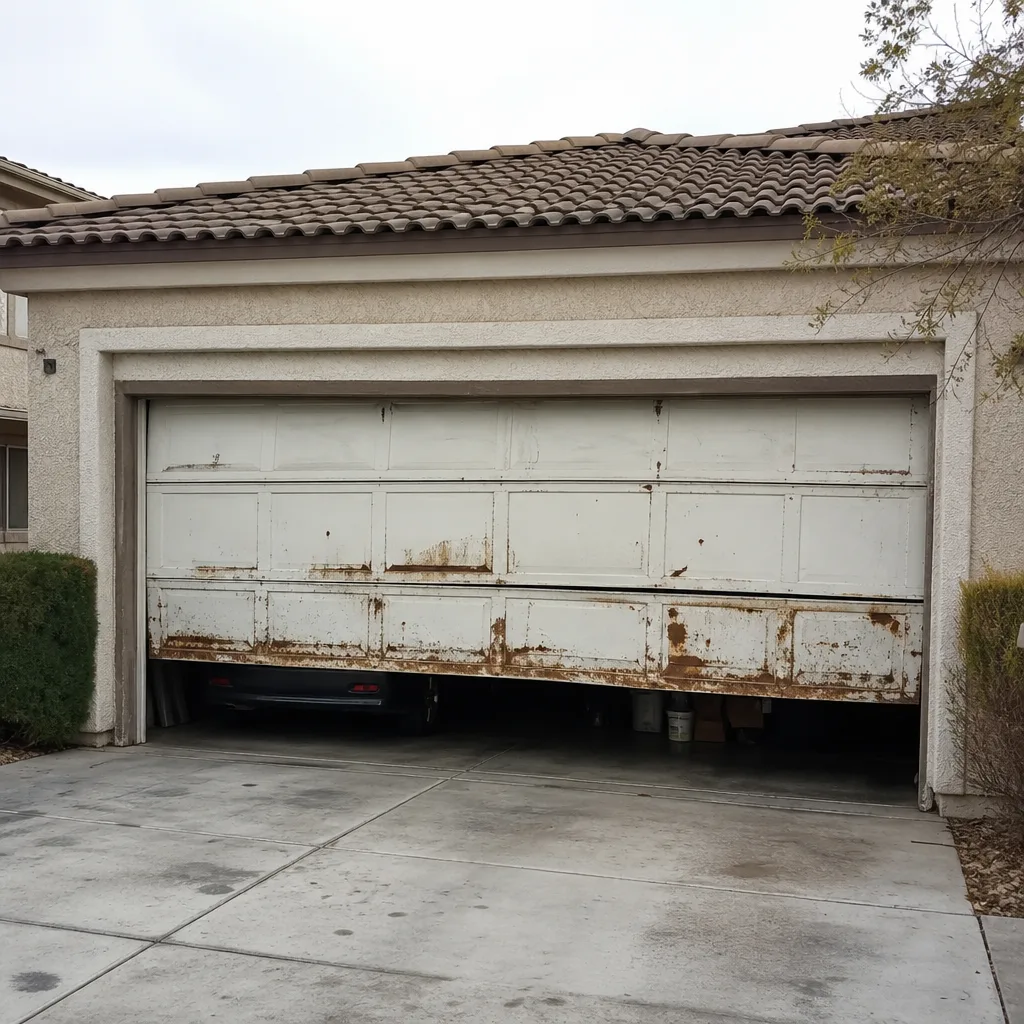 Before
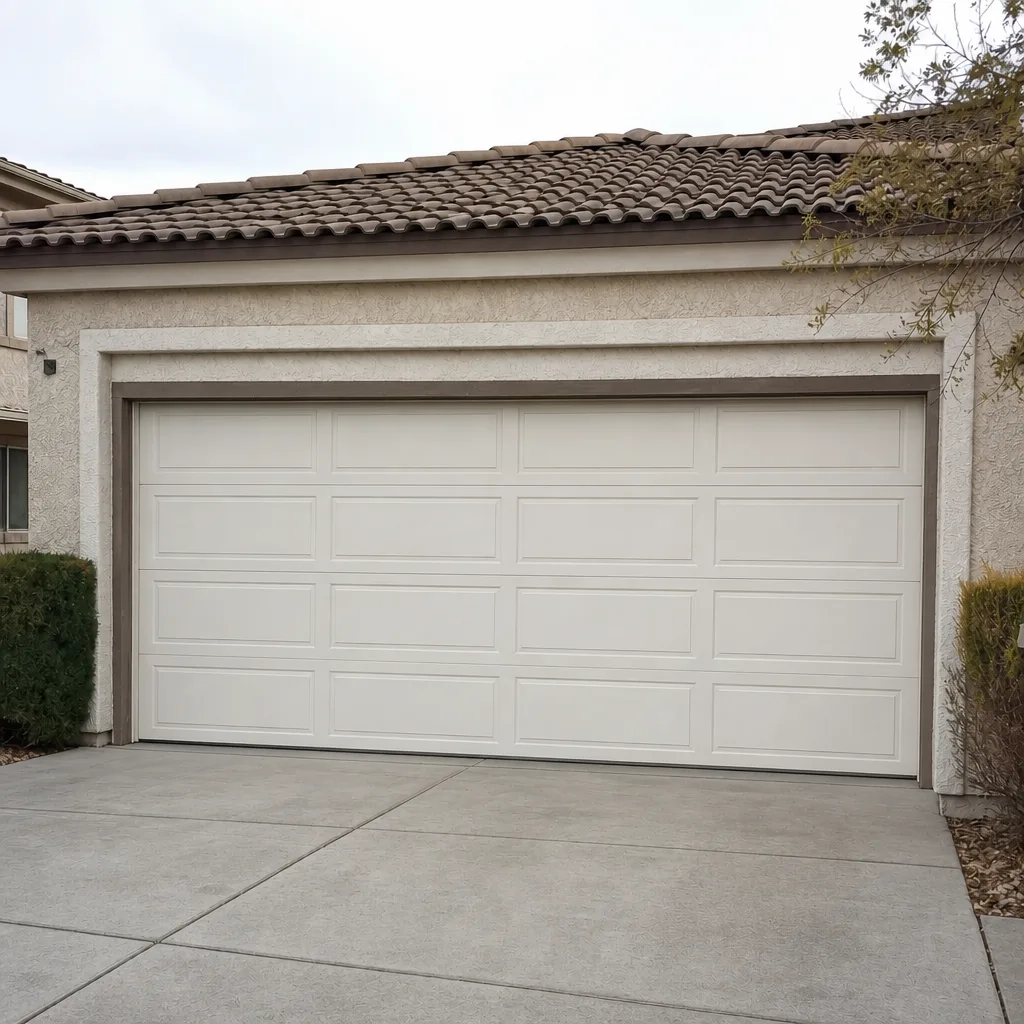 After
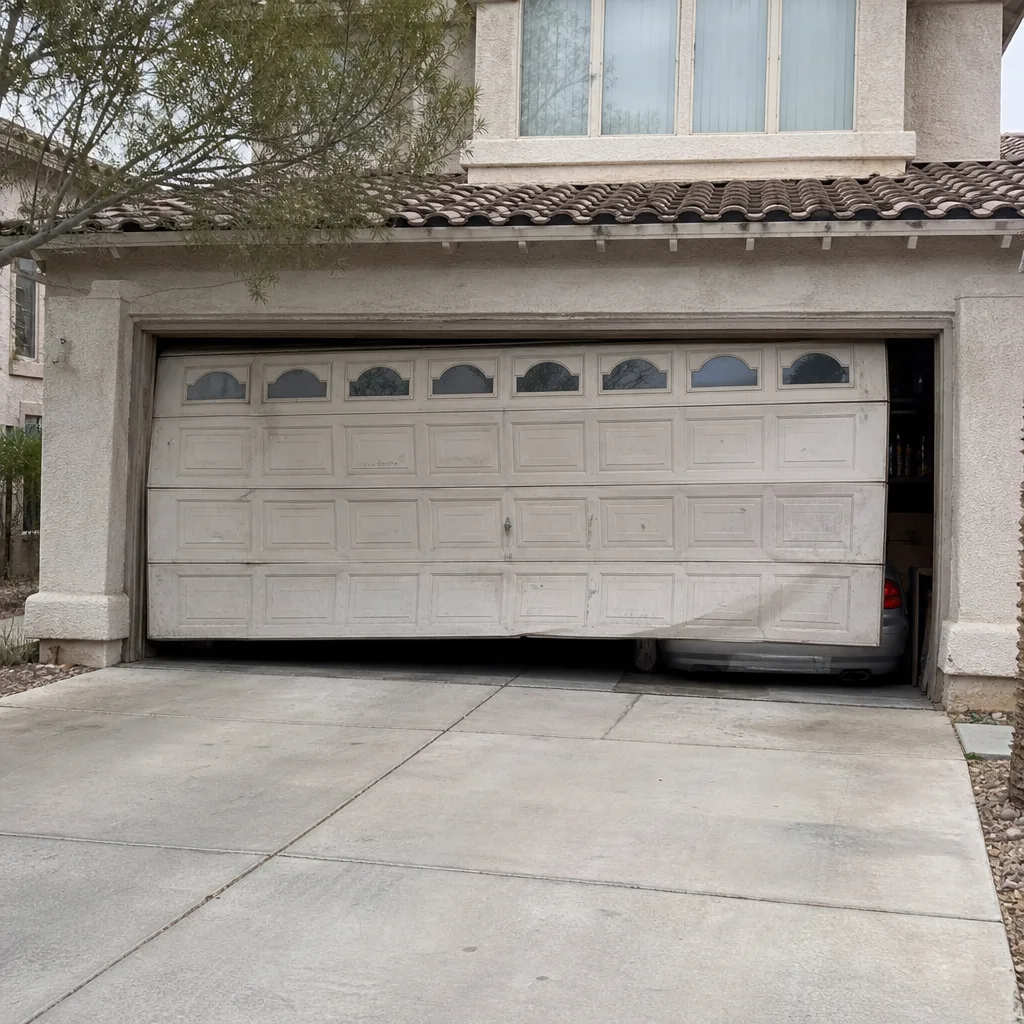 Before
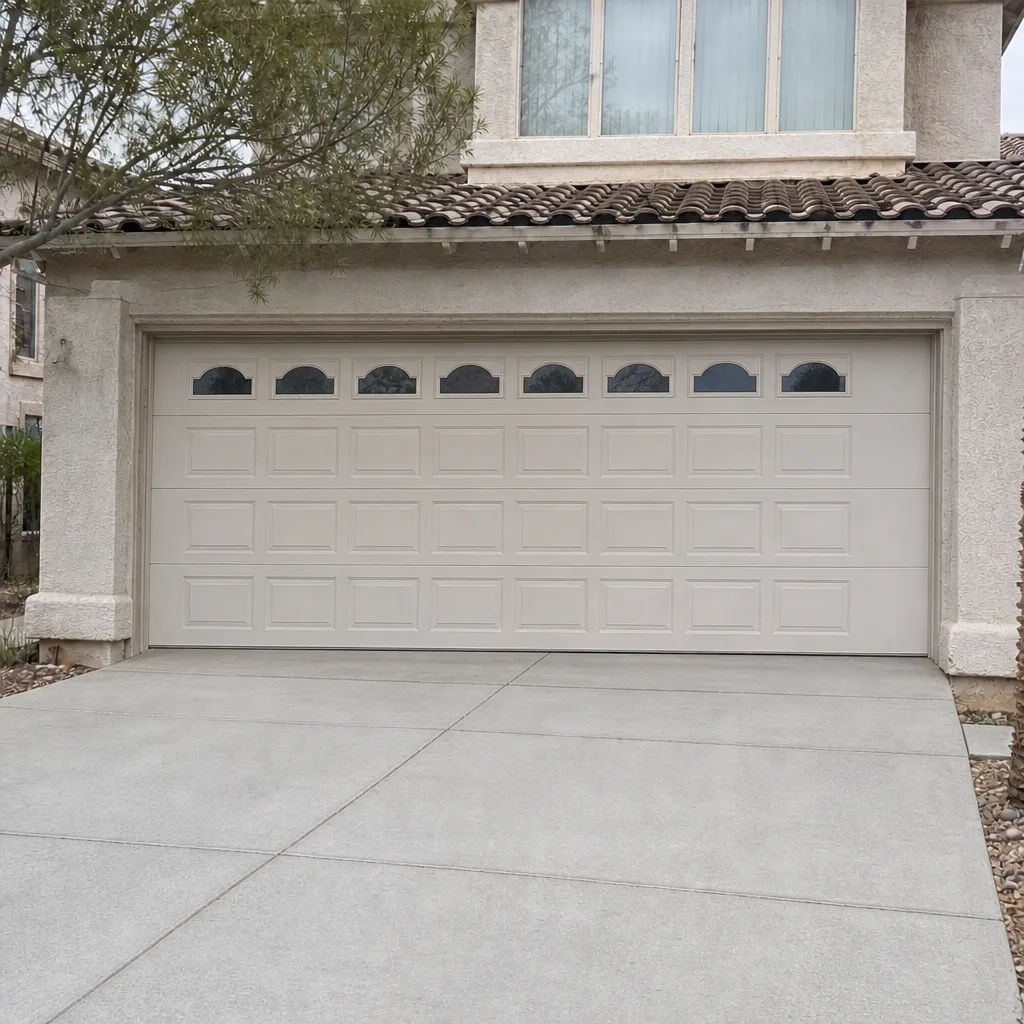 After
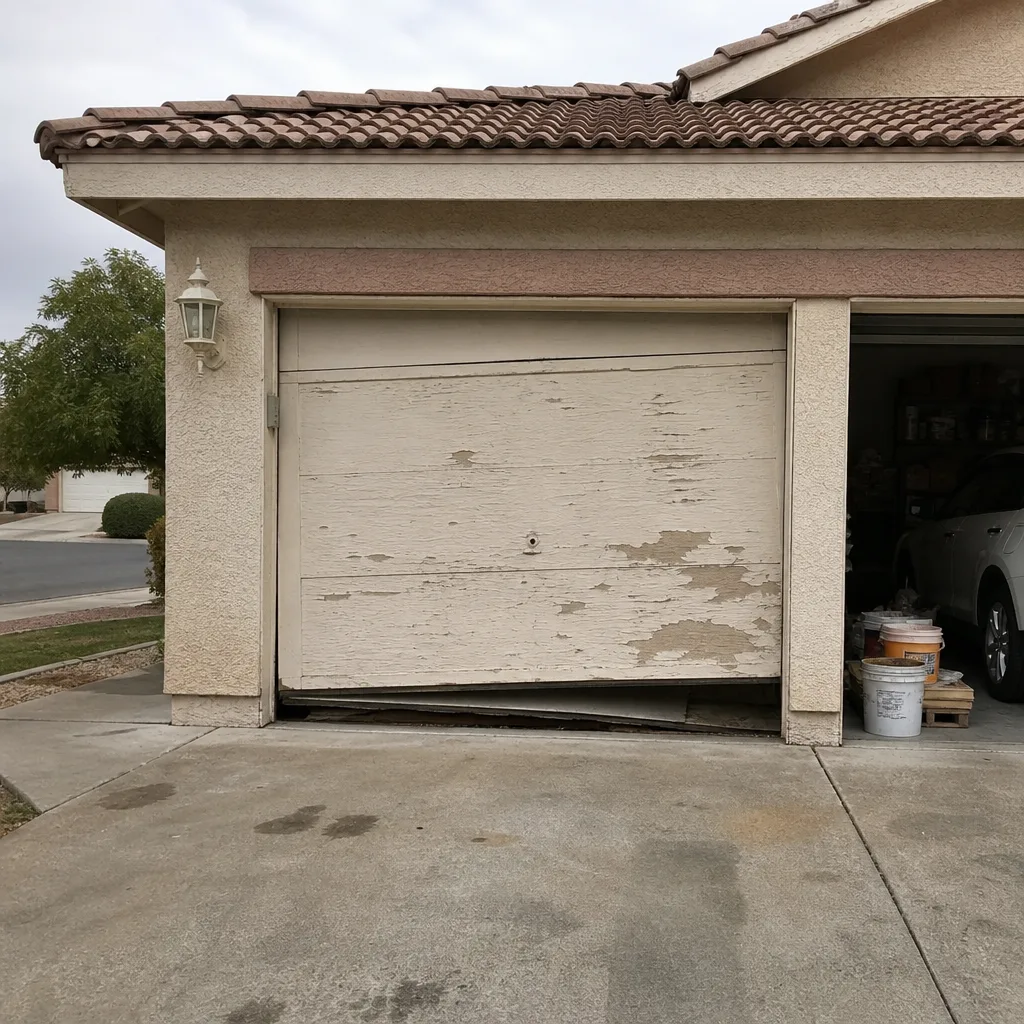 Before
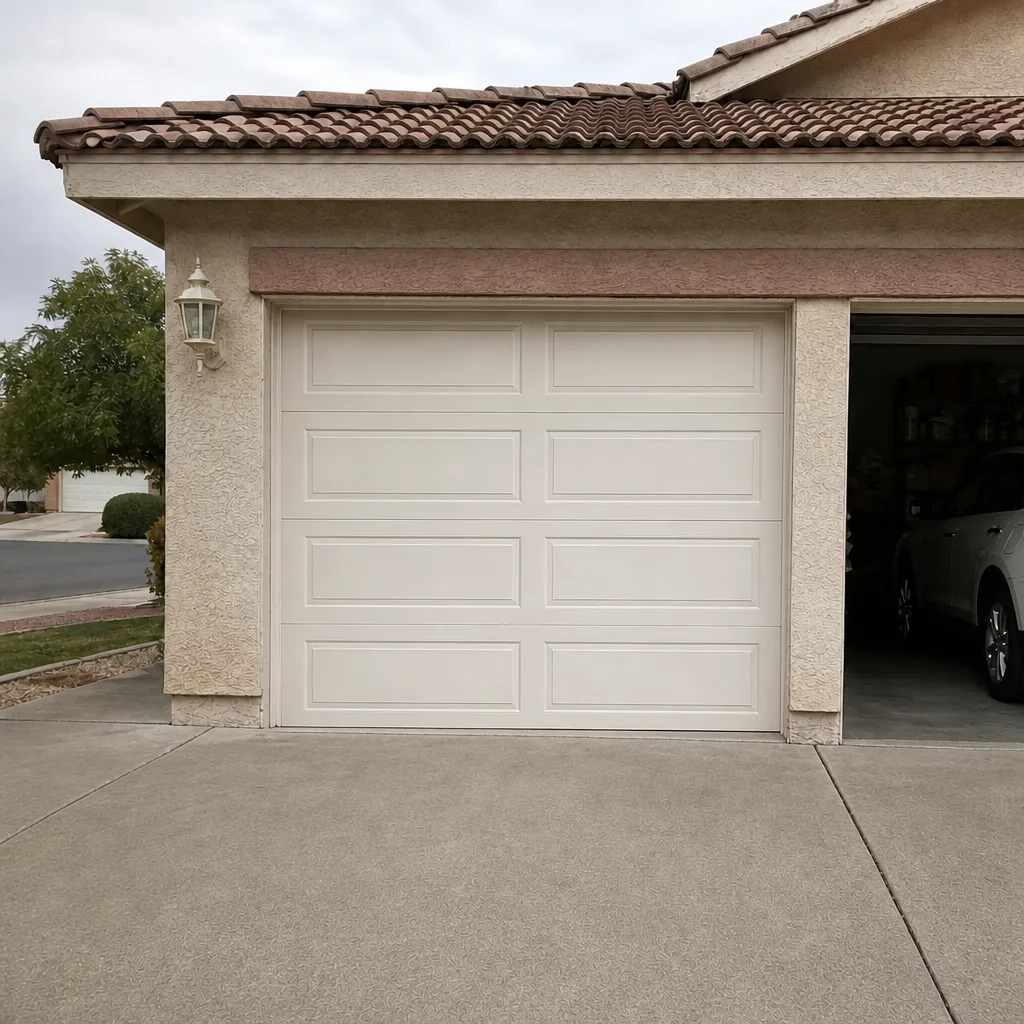 After
Common Mistakes to Avoid
- Lubricating in summer heat with a petroleum product. It thins and migrates off the parts above about 95°F. In Summerlin, apply a high-temp silicone or synthetic grease before summer, not during it.
- Lubricating the straight track sections. The product attracts dust and grit, which wears the rollers faster. Only the curved sections and the moving pivots need it.
- Ignoring the weather seal until it fails. UV exposure in Summerlin degrades the bottom seal and side seals faster than in most markets. A cracked seal lets dust and heat into the garage and puts stress on the door.
- Treating a frayed cable as a “keep an eye on it” situation. It isn’t. A cable with broken strands is a genuine hazard and needs to be replaced before the door is run again.
- Skipping the post-summer inspection. In Summerlin, October is when heat-fatigued parts actually fail. A door that felt fine in September can break in October and is cheaper to fix if caught in that window.
- Disabling the safety reverse mechanism to stop a false trip. That fixes the symptom and creates a real danger. The reverse system exists for a reason.
When to Call a Professional
Some maintenance is yours to do, and some should go to a trained technician. Anything involving the springs, the cables, or the opener’s internal parts qualifies as professional work. On a torsion spring, a door weighing hundreds of pounds is held under tension that can cause serious injury if released without the right tools and training. If you see a visible gap in the spring, exposed cables, or a door that has come off its track, stop using it and call.
A few other situations are best handled by a professional:
- A door that won’t stay balanced when you disconnect the opener and move it by hand.
- A safety reverse mechanism that fails the object test.
- A grinding or popping noise that appears after a track shift.
- An opener that’s more than about ten years old and starting to hesitate.
Mainspring Garage Door Co. Summerlin offers free estimates in Summerlin. A live person answers the phone around the clock, and most jobs are completed in a single visit because our technicians arrive with parts already on the truck. Call (855) 608-8802 to schedule.
Frequently Asked Questions
Twice a year is the working minimum in Summerlin: once in spring before the heat sets in and once in fall after the cool-down. A mid-winter tune-up in January is a good third touchpoint, especially for a door used four or more times a day. A five-minute visual inspection once a month fills the gaps between service visits. For an exact recommendation for your door, call (855) 608-8802.
You can lubricate the hinges, rollers, and curved track sections yourself using a high-temperature silicone or synthetic grease, applied sparingly. What you should not do yourself is adjust or replace the torsion spring or cables. Those involve stored tension that can injure you if released incorrectly. If you’re not sure what product your opener or door manufacturer specifies, a technician can confirm it during a tune-up.
Heat fatigue shows up as the weather cools. Metal that expanded under summer heat contracts in October, which is when heat-fatigued springs and cables tend to fail. This is why the post-summer inspection window is a real maintenance event and not a formality. A door that felt fine in August can break in October, and catching the wear in that window keeps the repair smaller. Call (855) 608-8802 for a post-summer check.
Use a silicone-based or synthetic lithium grease with a stated high-temperature rating, not a general-purpose petroleum spray. Petroleum products thin above about 95°F and leave the parts drier than before. Apply a small amount at each hinge pivot, the roller stems, and the track curves, and reapply only when the parts look dry. If you’re unsure which product is right for your door, a technician can tell you at the next tune-up.
Basic lubrication and visual inspection won’t void a warranty. What can is adjusting or replacing the springs yourself, modifying the door panels or frame, using the wrong lubricant in the opener, or disabling the safety reverse system. Keep a written record of the service you do and the products used, because that record is what settles a warranty question. For anything structural, call (855) 608-8802 first and let a technician handle it.
When the door needs a full spring replacement, new rollers, and a new bottom section all at once, the cost of repair can approach the cost of a new door. A door that has been repaired three or more times in two years is also a candidate for replacement. For Summerlin homeowners planning to stay, the calculation usually favors replacement once you’re past the halfway point. A free estimate will give you a clear number for both paths. Call (855) 608-8802, and for panel-level detail on replacing a door, see Garage Door Installation in Summerlin.
The Bottom Line
A maintenance schedule that ignores Summerlin’s thermal extremes will leave your door under-serviced exactly when it needs the most attention. The three windows that matter here are pre-summer in April or early May, post-summer cool-down in October, and a mid-winter tune-up in January. Use a high-temperature silicone or synthetic lubricant and apply it before the heat, not during it. Run the five-minute visual inspection every month, and adjust high-use doors every six to nine months. Keep a written record so your warranty stays intact. Do that, and most of the calls you’d otherwise make become tune-ups instead of emergency repairs. Call (855) 608-8802 for a free estimate in Summerlin.
Written by the team at Mainspring Garage Door Co. Summerlin.