
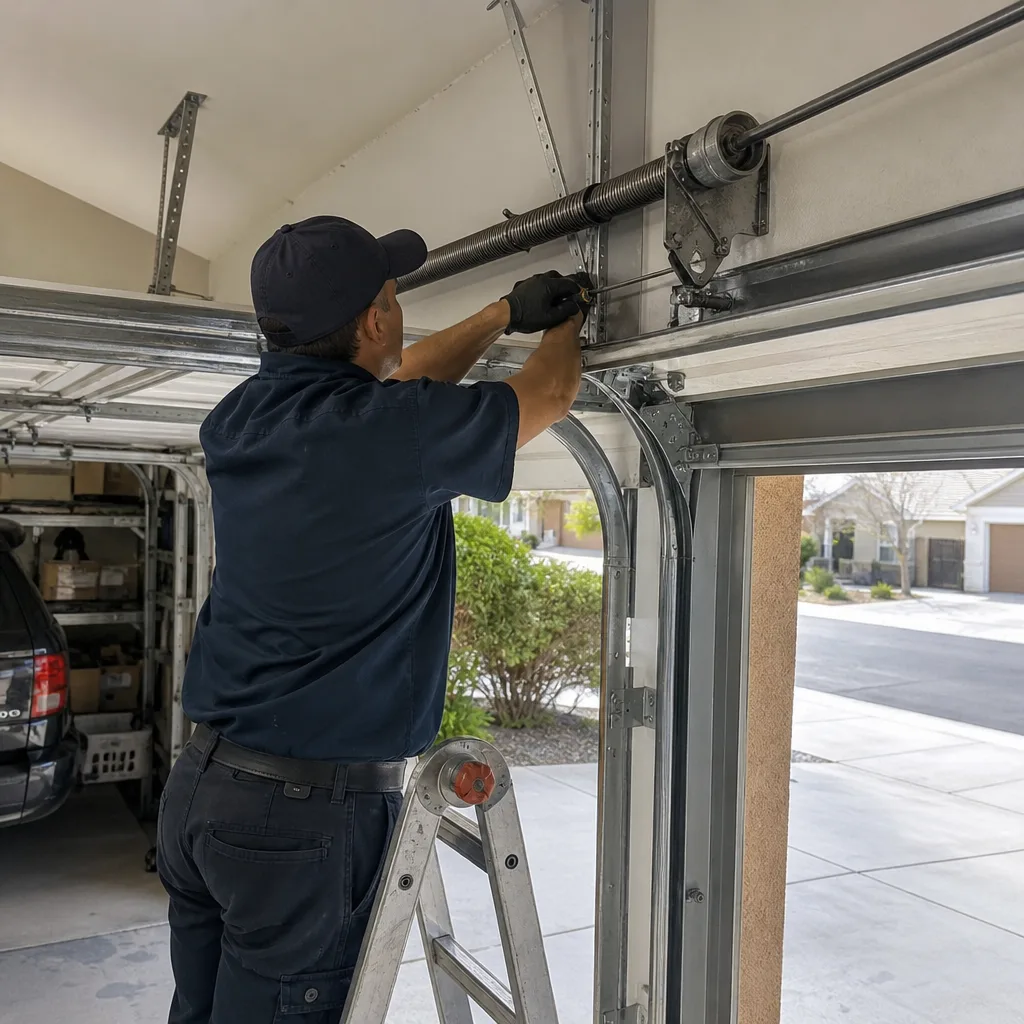
Last updated November 18, 2026
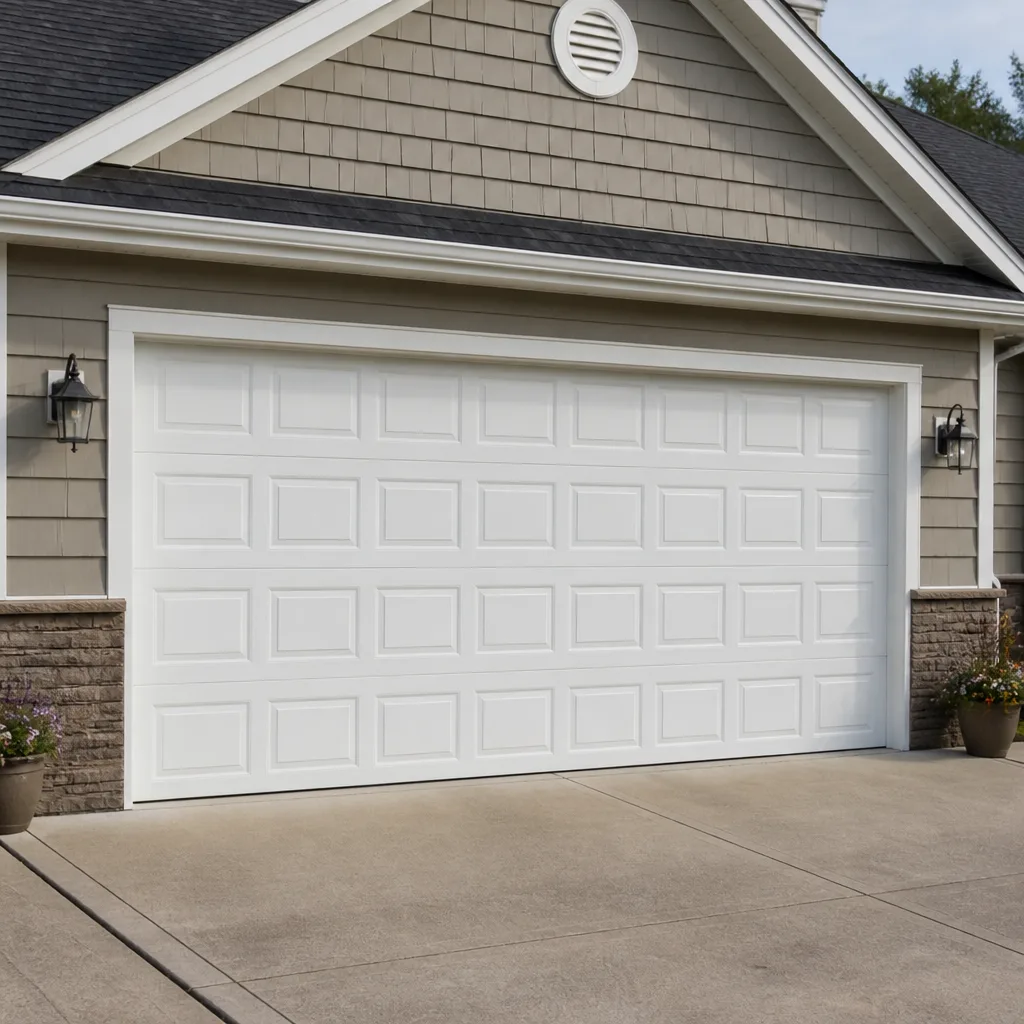 Raised-panel steel
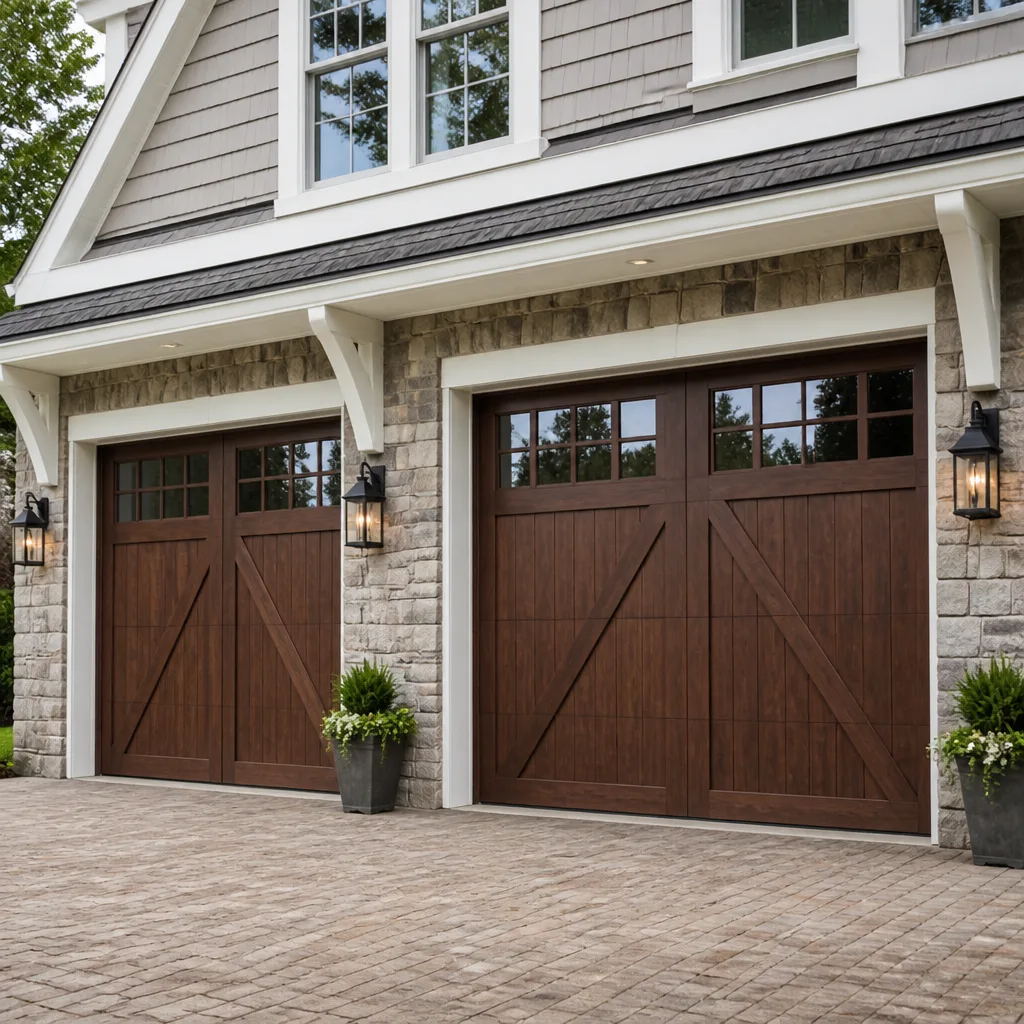 Carriage house
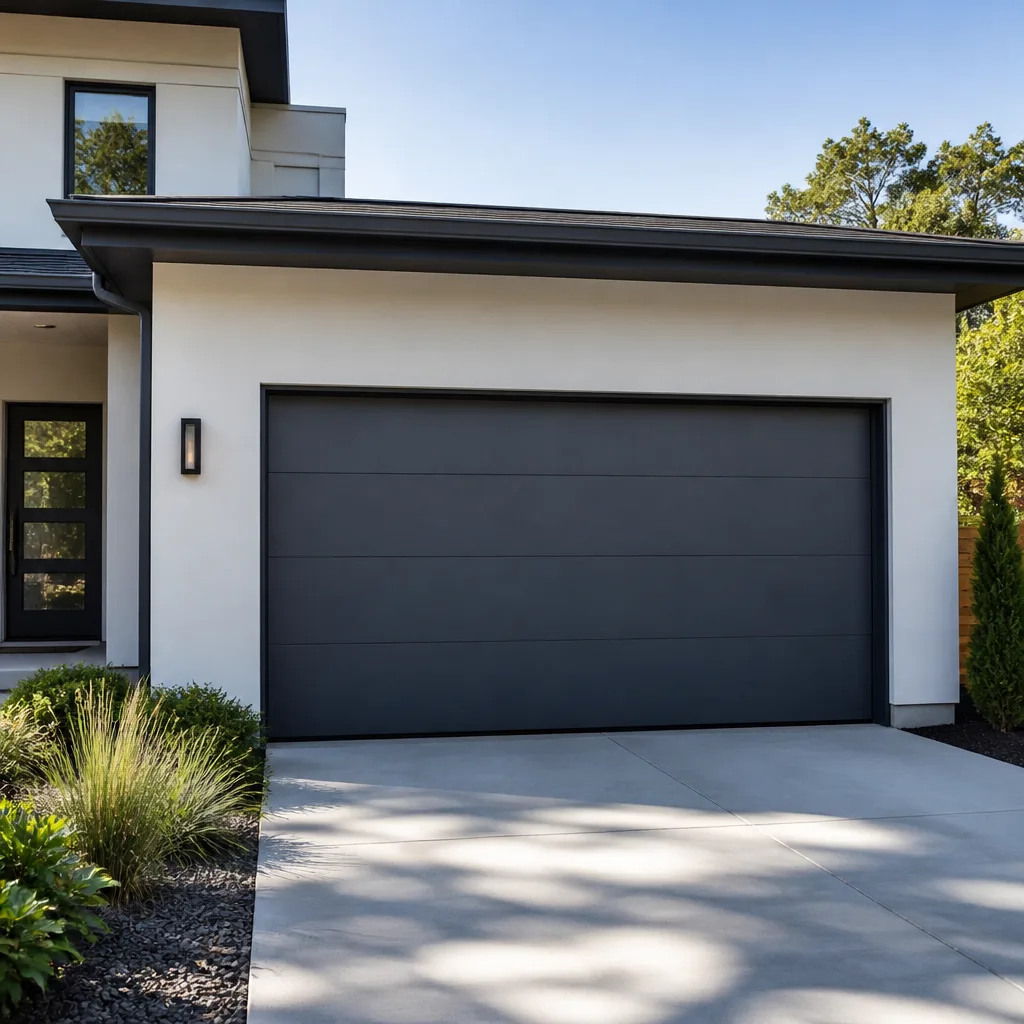 Modern flush
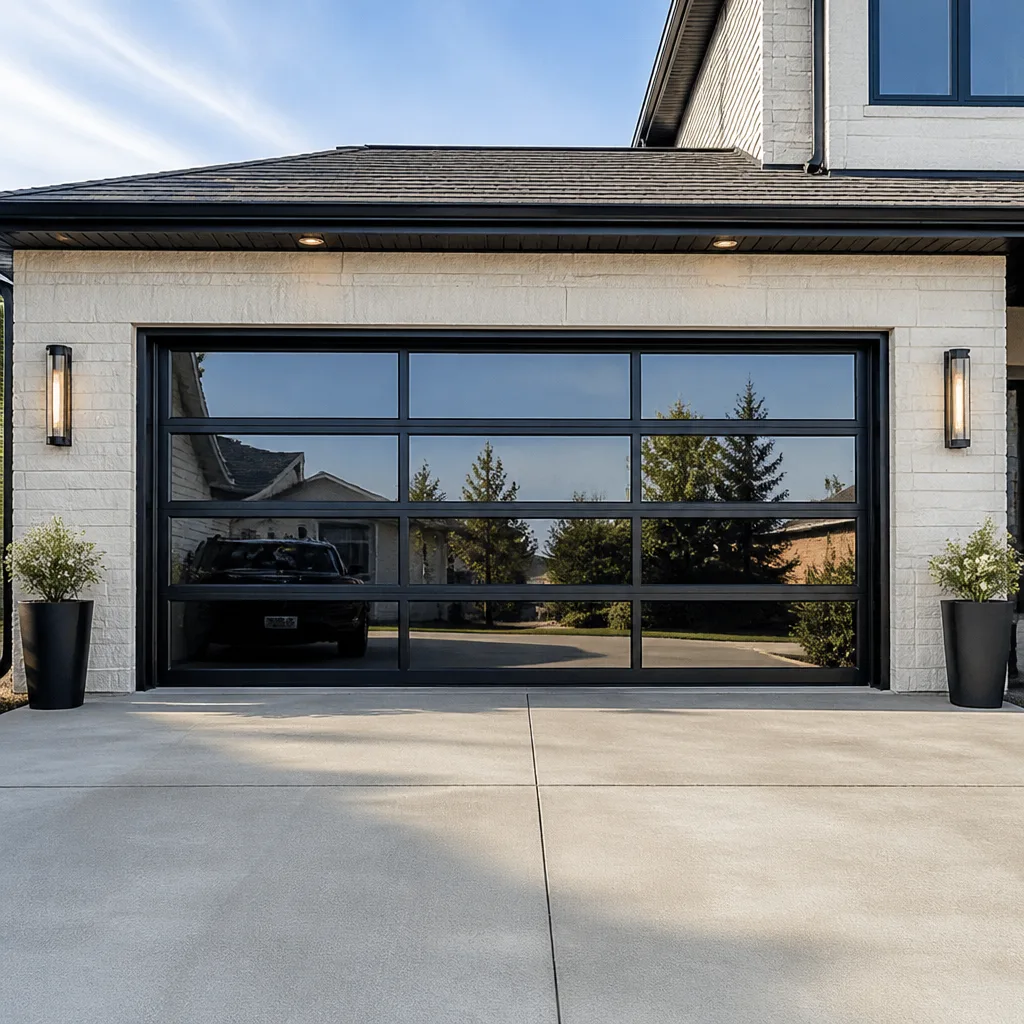 Full-view glass
 LiftMaster openers
 Chamberlain openers
Full 25-point door and opener safety check with every visit - springs, cables, rollers, tracks, and your LiftMaster or Chamberlain opener included
You get a price before we start. It does not change when the pro arrives.
Get your free estimateGarage Door Parts Troubleshooting: Common Problems and How to Fix Them
A garage door that shakes violently on the way down and one that shakes on the way up have different problems entirely. The direction of the symptom is the first clue, and most people miss it. In Summerlin, where the desert heat bakes springs and the monsoon dust works into every roller, we see the same handful of part failures repeat year after year. This guide is organized around symptoms, not parts, because that’s how problems actually show up. By the end you’ll be able to identify which of four components is failing, describe it accurately to a technician, and know which parts are safe to inspect yourself.
Quick Answer
Most garage door problems trace back to one of four parts: rollers, springs, cables, or the bottom seal. If your door is noisy, the rollers or the bottom seal are the usual suspects. If it’s slow, uneven, or won’t move at all, suspect the springs or cables. A torsion spring that’s about to fail shows a visible gap in the coil, and that check takes ten seconds from the ground.
Styles & brands we work with
- Raised-panel steel
- Carriage house
- Modern flush
- Full-view glass
- LiftMaster openers
- Chamberlain openers
Table of Contents
- Start With the Symptom, Not the Part
- Noisy Door: The Roller and Seal Check
- Slow or Sluggish: Springs and Balance
- Uneven Travel: Track Gap and Cable Slack
- Won’t Open at All: Where to Look First
- The 10-Second Spring Check That Prevents a Dangerous Failure
- Parts That Cause Secondary Damage When They Fail
- The Line Between What You Can Order and What to Leave Alone
Start With the Symptom, Not the Part
When we take a call from a Summerlin homeowner, the first thing we ask is when the problem happens: going up, coming down, or both. That direction narrows the suspect list fast. A door that shudders on the way down is fighting gravity and loading the springs differently than one that shudders on the way up, where the opener is doing the lifting.
Here’s the working map we use on every call:
- Loud grinding or screeching, door moves fine: rollers, hinges, or a dry torsion tube.
- Door moves slowly or feels heavy: springs losing tension or a cable beginning to fray.
- Door travels crooked or one side lags: track gap, a snapped or slack cable, or one broken spring on a two-spring setup.
- Door won’t move and the opener hums: a broken torsion spring or a locked carriage.
- Cold air, dust, or water getting in along the floor: bottom seal.
Before any of that, look at the whole door from the driveway. Stand back six feet and watch it run once. You’ll see the symptom more clearly from a distance than you ever will standing underneath it. That single look tells us more on the phone than five minutes of questions.
Noisy Door: The Roller and Seal Check
Noise almost always comes from rollers, the small wheels that ride inside the track. There are two types: steel rollers and nylon rollers. Steel rollers last years but get loud once the bearings dry out. Nylon rollers run quieter and don’t need grease, and on a Summerlin door that sees 110-degree summers, nylon holds up better because it doesn’t expand and contract the way steel does.
Here’s the safe visual check, done entirely from the ground with the door closed:
- Look at each roller where it sits in the track. A healthy nylon roller looks round and smooth. A worn one has flat spots or a wobbly edge.
- Check for dark grease trails or rust streaks running down from the roller brackets. That’s a sign the bearing is failing.
- Run your hand along the bottom seal at the floor. A good seal sits flat and touches all the way across. A tired one has a visible gap or a hard, cracked edge.
- Look at the hinges that connect each panel. A hinge with a crack or a loose bolt will rattle on every cycle.
In our experience, a loud door in Summerlin is usually rollers and a dried-out bottom seal working together. The seal hardens under the desert sun and stops cushioning the door’s landing, so every cycle slams a little harder than it should. We see a lot of doors in The Ridges and Red Rock Country Club where the seal was last replaced long enough ago that it feels like plastic rather than rubber.
If you want the work done right rather than ordered and mismatched, Garage Door Repair in Summerlin is where a technician can replace the rollers and rebalance the door in one visit.
Slow or Sluggish: Springs and Balance
Springs carry the door’s weight, which is why our company is named for them. A door can weigh 150 to 300 pounds, depending on whether it’s a single-car steel door or a double-car Amarr or Raynor with insulation. The spring is doing all of that lifting, and the opener is only doing the pushing and pulling.
When springs lose tension, the opener starts doing more of the work than it was built for. That’s why a sluggish door is often a spring problem, not an opener problem, even though the opener is the part that feels wrong.
One safe test you can run from the ground with the door closed and the opener disconnected:
- Pull the red emergency release handle to detach the door from the opener.
- Lift the door by hand about halfway up.
- Let go gently. If it stays where you put it, it’s balanced. If it drops or slams down, the springs are giving out.
- Reconnect the door before you use it again.
On a two-spring door in Summerlin, we regularly see one spring fail months before the other. The door keeps working but feels heavy and lopsided. If you notice that, get it looked at, because the remaining spring is now carrying double the load and won’t last long. For opener-specific issues, Garage Door Opener in Summerlin covers the motor and safety-sensor side of the system.
Uneven Travel: Track Gap and Cable Slack
A door that goes up crooked is telling you about the track or the cables. Start with the track. On a vertical track, you want a gap between the roller and the track that’s consistent all the way up. A bent section pinches the roller and makes that side travel slower, so the door climbs at an angle.
Cables are the other half of this. There are two of them, one on each side, wound on drums at the top of the door. A cable that’s slightly slack, frayed, or pulled loose on one corner will make one side of the door lag. In the summer, thermal expansion in the metal tracks plus dust blown up by the wind can make a track that was fine in spring start to bind by August.
What to look for, again from the ground:
- Cable slack: with the door closed, both cables should be taut. A drooping cable means it has slipped or started to fail.
- Track gap: run your eye up each vertical track. Look for a dent or a kink. A short bend is enough to cause uneven travel.
- Loose brackets: check the lag bolts that hold the track to the wall. A bracket that’s pulled loose will let the whole track move.
What you should not do is reach up and adjust a cable or bend a track by hand. Cables are under very high tension. We’ll cover that line in detail further down.
Won’t Open at All: Where to Look First
When the door won’t move, the noise the opener makes tells you where to start.
- The opener hums but the door doesn’t move: the opener motor is fine, but something in the mechanical side has let go. Most often a broken torsion spring, though a snapped cable will do it too.
- The opener clicks once and does nothing: a safety sensor is blocked or misaligned, or the wall control is holding the lock. Check the LEDs on the sensors at the bottom corners of the track.
- Total silence: power, the wall control, or the opener’s internal board. Check the breaker before anything else.
- The door opens a few inches and reverses: the safety sensors aren’t seeing each other, or the travel limit is off.
A quick note on brands. A Genie and a LiftMaster handle a stuck door a little differently, but the symptom pattern is the same. We’re factory-familiar with the major openers, including Chamberlain and Craftsman, so a call with the model number and your symptom usually tells us what’s wrong before we arrive. That saves a diagnostic start-from-scratch on site.
For emergency situations, our team at Mainspring Garage Door Co. Summerlin home keeps a live person answering the phone around the clock. If the door is stuck open with the house exposed, that’s the call to make.
The 10-Second Spring Check That Prevents a Dangerous Failure
Torsion springs almost never fail without warning. They give you a sign, and it’s visible from the ground in about ten seconds. The spring is the coiled metal bar mounted on the header above the door. When a spring is healthy, the coils sit close together with a consistent gap between them. When it’s close to failing, a gap opens up in the coil, or one section visibly separates from the rest.
Here’s the check, done with the door closed and your feet on the ground:
- Stand directly in front of the door and look up at the torsion spring bar.
- Scan along the spring. The coil should look even from end to end.
- If you see a visible gap in the coil, a section where the wire is separated, or a spot where the spring has dropped in height, stop using the door and call a technician.
- Look for rust streaks along the spring as well. Rust weakens the wire and shortens the spring’s life.
Why does this matter so much? Because a torsion spring under full tension can fail violently, and a door that drops when a spring breaks is genuinely dangerous. Summerlin’s dry heat and the daily temperature swing wear springs faster than cooler climates. A door that cycles four times a day in Summerlin puts more stress on its springs over a season than the same door would in a milder part of the country. The ten-second check is the cheapest safety measure a homeowner has.
If you’re on a lift-and-learn schedule, the seasonal tune-up catches spring wear before it becomes an emergency. Our Garage Door Installation in Summerlin page also covers what a new spring setup looks like on a fresh door.
Parts That Cause Secondary Damage When They Fail
Some parts fail small and take other things with them. Understanding which parts spread damage helps you decide how fast to act.
The cable drum. This is the spool at the top of the door that the cable winds onto. When the cable starts to slip or the drum wears, the drum can score the drum bracket. Once the bracket is scored, the cable doesn’t seat evenly, and a new cable alone won’t fix it. What started as one worn part turns into a drum, a bracket, and a cable.
The track. A bent track doesn’t just cause uneven travel. It pinches the rollers. Every cycle, the roller grinds against the bent side, and the bearing wears out months early. A homeowner who replaces rollers on a door with a bent track will be replacing them again soon.
The bottom seal. A hardened seal doesn’t just let air in. It changes how the door stacks on landing, and the extra stress goes through the bottom panel and the hinge above it. Left long enough, the bottom panel can warp.
The torsion tube. A dry or worn torsion tube grinds against the spring coils and wears them unevenly. The springs fail sooner, and the door gets louder year after year.
What this means practically: if you catch a worn cable drum bracket or a bent track early, you replace one part. If you wait, you replace three. In Summerlin, where doors see heavy sun and dust, that gap between one-part and three-part repair is usually one season.
The Line Between What You Can Order and What to Leave Alone
We take the position that homeowners can and should order the simple wear parts themselves. It reduces markup and it gets the right part on site faster. Here’s the split.
Parts you can order yourself:
- Rollers. Measure the diameter and the stem length. Nylon rollers are the easy choice for a quiet Summerlin door.
- Bottom seal. Measure the width of the door and the profile of the seal. A ruler and a photo of the old seal is enough to get the right one.
- Hinges. Numbered hinges (1, 2, 3) are matched to the door panel count. Check your existing hinge stamp.
- Weather seal between panels. A standard retainer and seal will usually match.
- Opener remote and safety sensor. These are brand-specific. Have the model number handy.
Parts that should never be handled without professional training:
- Torsion springs. These are under enough tension to cause serious injury. Do not adjust, remove, or install a torsion spring yourself.
- Cables. A cable carries the full weight of the door when the spring lets go. Do not reach into, loosen, or cut a cable.
- Cable drums. The drums hold the cable under tension. Same rule.
- Track alignment and bracket lag bolts. A track that comes off a bracket can drop a door. Professionals set the track with the right gap and torque.
If you’re not sure which side of the line a part sits on, ask before you buy. We’d rather tell you “we stock that, don’t order it” than see a homeowner start a repair that isn’t safe. The technicians we connect you with come background-checked and trained, and they arrive with the common wear parts already on the truck so the job usually finishes in one visit.
Common Mistakes to Avoid
- Greasing nylon rollers. Nylon rollers don’t need grease. Greasing them attracts Summerlin dust, which turns into a grinding paste. Grease steel rollers and hinges only.
- Bending a track by hand to “straighten” it. A track bent in the field never runs true, and the door will find the same bind on the next cycle. Have the track reset by a technician.
- Ignoring the gap in the spring coil because the door still works. A door with a failing spring still opens for a while. It drops without warning when the wire lets go. That’s the dangerous one.
- Replacing one spring on a two-spring door. The old spring is already tired. When you replace one, the remaining spring doubles its load and typically fails within weeks. Replace both.
- Ordering a roller by eye. Roller stems come in different lengths, and a wrong stem length wires the roller out of the track. Measure before you order.
- Assuming the opener is the problem when the door is slow. A slow door is usually a spring problem. The opener is just pushing harder to compensate.
- Calling a company that will “come look.” A technician who arrives without the part on the truck starts from scratch and charges you for the diagnosis. Ask up front whether the common parts are on the truck.
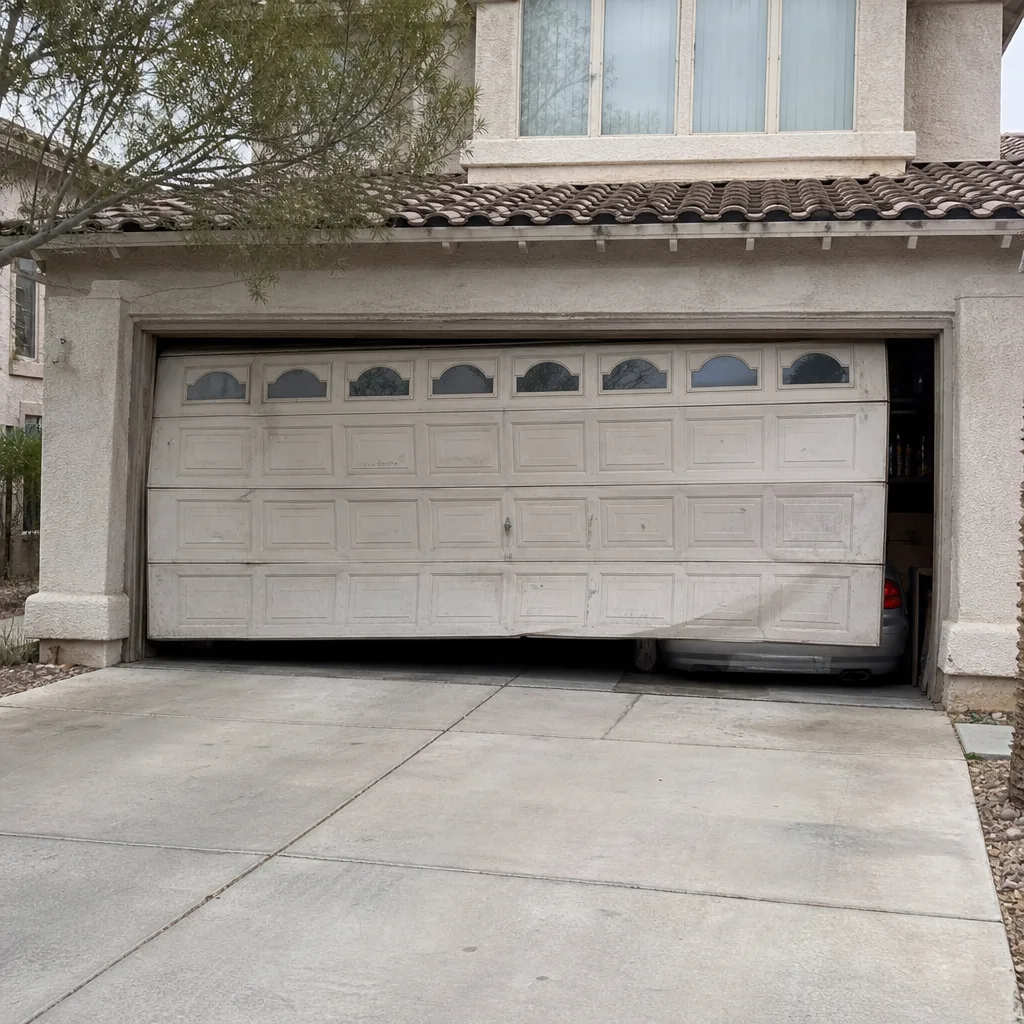
See the difference
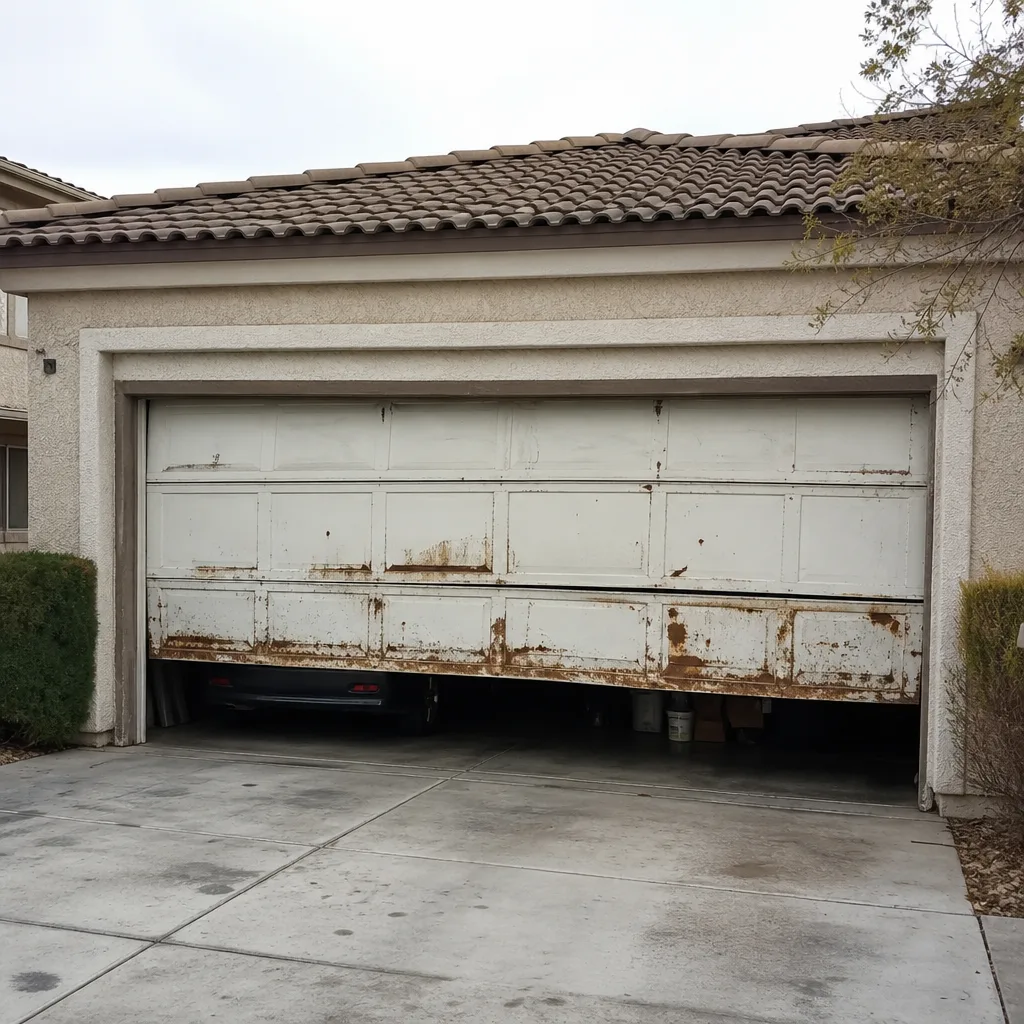 Before
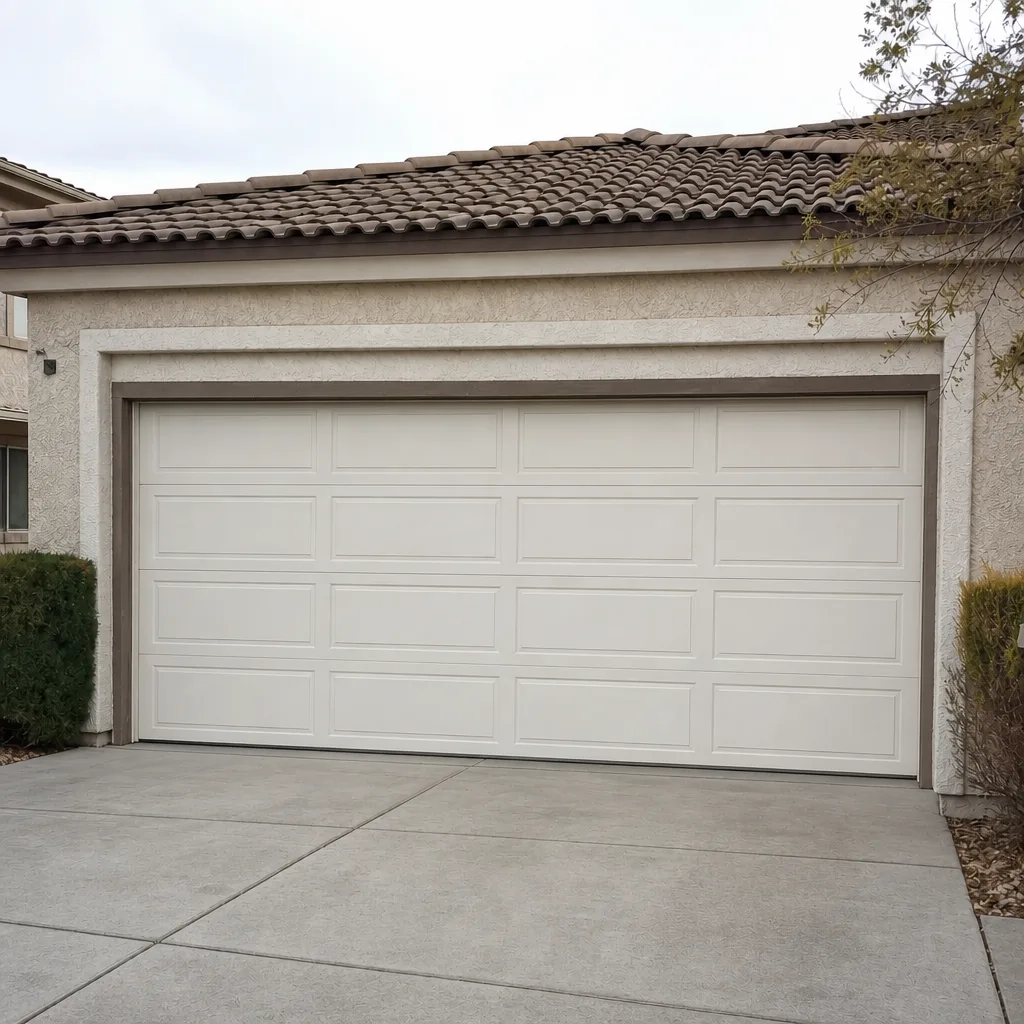 After
 Before
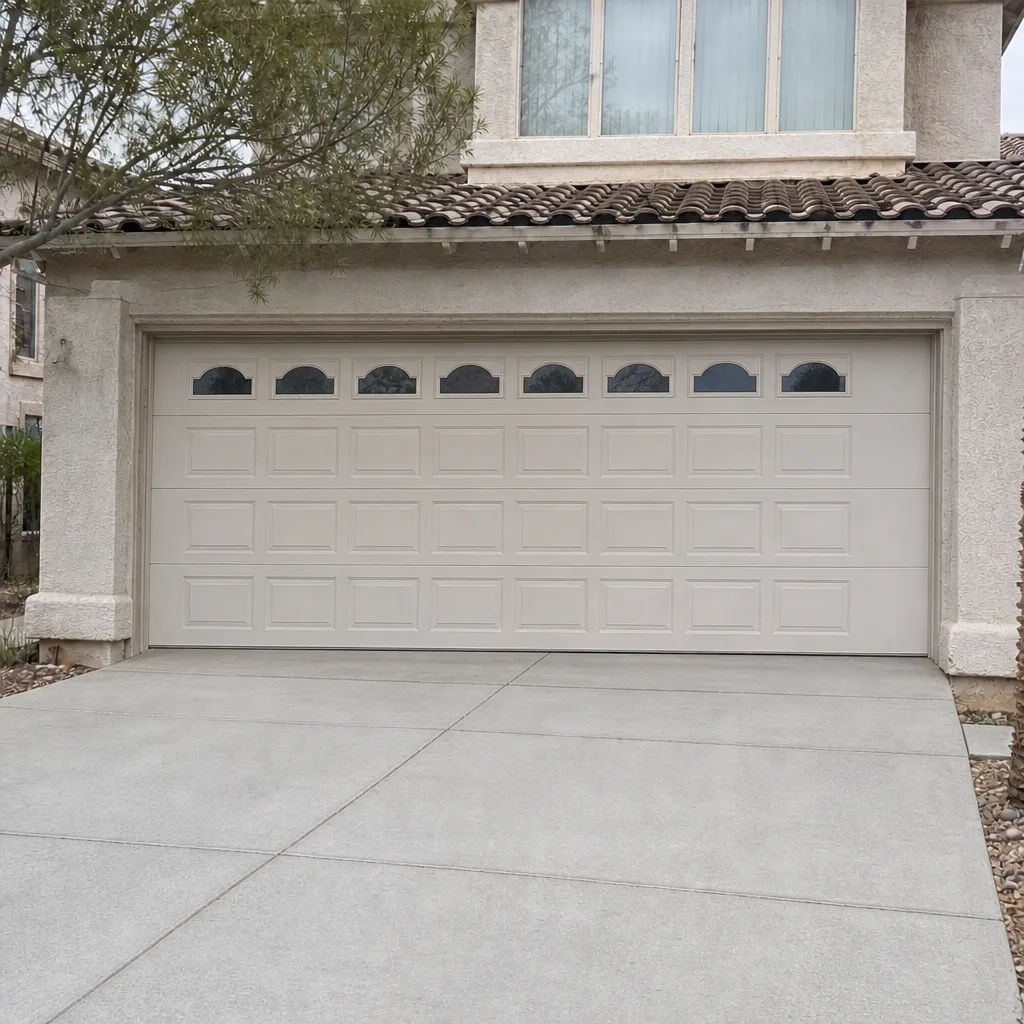 After
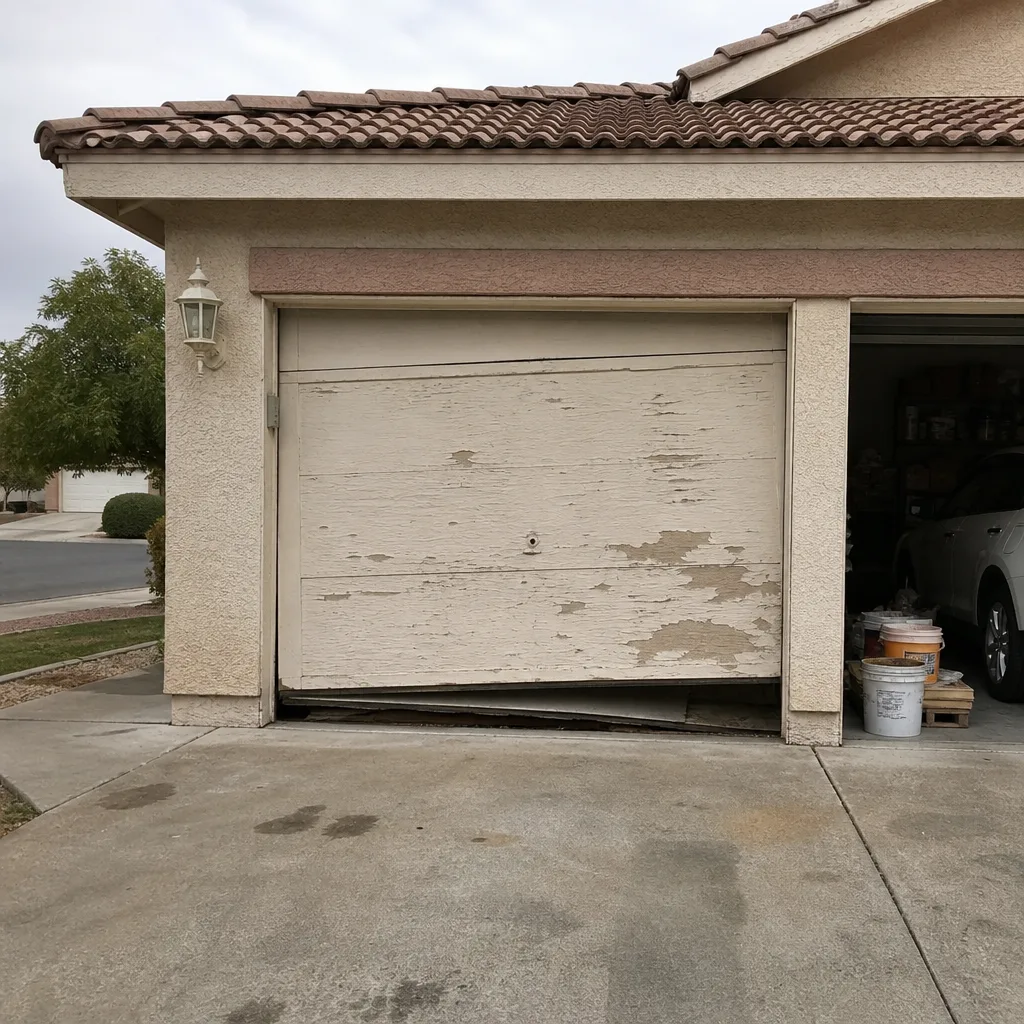 Before
 After
When to Call a Professional
Call a professional if the door won’t move at all, if you can see a gap in the spring coil, if a cable is slack or frayed, or if the door travels unevenly on one side. Call immediately if the door is stuck open with the house exposed, or if a spring has clearly failed and the door dropped. A worn safety sensor, a bent track, or a door that reverses for no reason is worth a call too, because these are the parts that cause secondary damage when left alone.
Mainspring Garage Door Co. Summerlin offers free estimates in Summerlin, and a live person answers every call around the clock. Call (855) 608-8802. The price is quoted and agreed before any work starts, and every job is covered by our 90-Day Done Right Promise in writing.
Frequently Asked Questions
A service call for parts troubleshooting in Summerlin typically runs $89 to $150 for the visit, and repair work after that depends on the part. Roller replacement is usually $120 to $200. A torsion spring replacement, which includes both springs on a two-spring door, typically runs $200 to $400. A single roller replacement is often under $100. Call (855) 608-8802 for an exact quote – estimates are free and the flat price is confirmed before any work starts.
In most cases, yes. If the door is stuck, a spring has failed, or a cable is slack, that’s an emergency situation, and the team keeps parts on the truck to handle it in one visit. Call (855) 608-8802 and describe the symptom – the direction of the problem (up, down, or both) and whether the opener hums or is silent gets you to the right technician faster.
No. The flat price is quoted and agreed before any work starts. If the diagnosis on site turns out to be different from what the phone call suggested, a technician will tell you before doing anything and re-quote. You’ll never get a bill for work you didn’t agree to. Call (855) 608-8802 for a free estimate.
Yes. The technicians the Mainspring team connects you with are background-checked, trained, and insured. Every job is backed by the 90-Day Done Right Promise in writing – if the work isn’t right, we come back at no charge. Call (855) 608-8802 and a live person will answer, including nights and weekends.
A torsion spring replacement in Summerlin typically runs $200 to $400 for both springs on a two-spring door. A single-spring door usually runs $180 to $280. The spring is the part that carries the door’s weight, so it’s not the place to choose the low bid. Call (855) 608-8802 for a free estimate and a written quote before the work starts.
Yes, rollers and the bottom seal are safe wear parts a homeowner can order and replace. Measure the roller diameter and stem length, and the door width and seal profile, before ordering. Springs, cables, drums, and track alignment should always go to a trained technician. Call (855) 608-8802 if you’re not sure which side of that line a part falls on.
The Bottom Line
Identify the symptom before you call. Noisy means rollers and seal. Slow means springs. Uneven means track or cable. Won’t open at all means spring or sensor, and the noise the opener makes tells you which. Then run the ten-second spring check, because a visible gap in the coil is the warning that prevents a dangerous failure. Order the rollers and the bottom seal yourself. Leave the springs, cables, and drum to a trained technician. That’s the whole system, and it will save you a diagnostic call and a part you didn’t need.
If you want the work done right with the flat price agreed before any work starts, call Mainspring Garage Door Co. Summerlin at (855) 608-8802. A live person answers every call, estimates are free, and most jobs finish in a single visit because the right parts are already on the truck. We stand behind every job in writing, and we’ll be there when we say.
Written by the team at Mainspring Garage Door Co. Summerlin.