
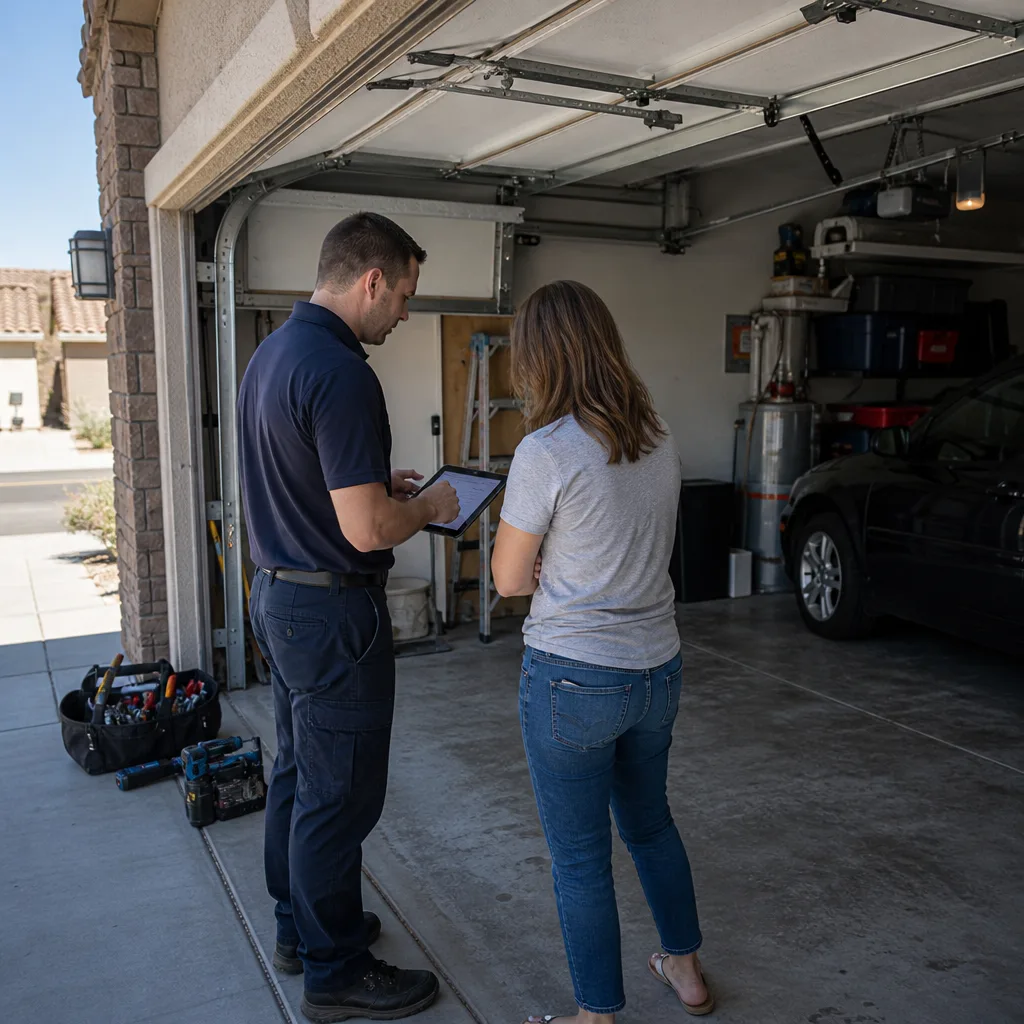
Last updated November 18, 2026
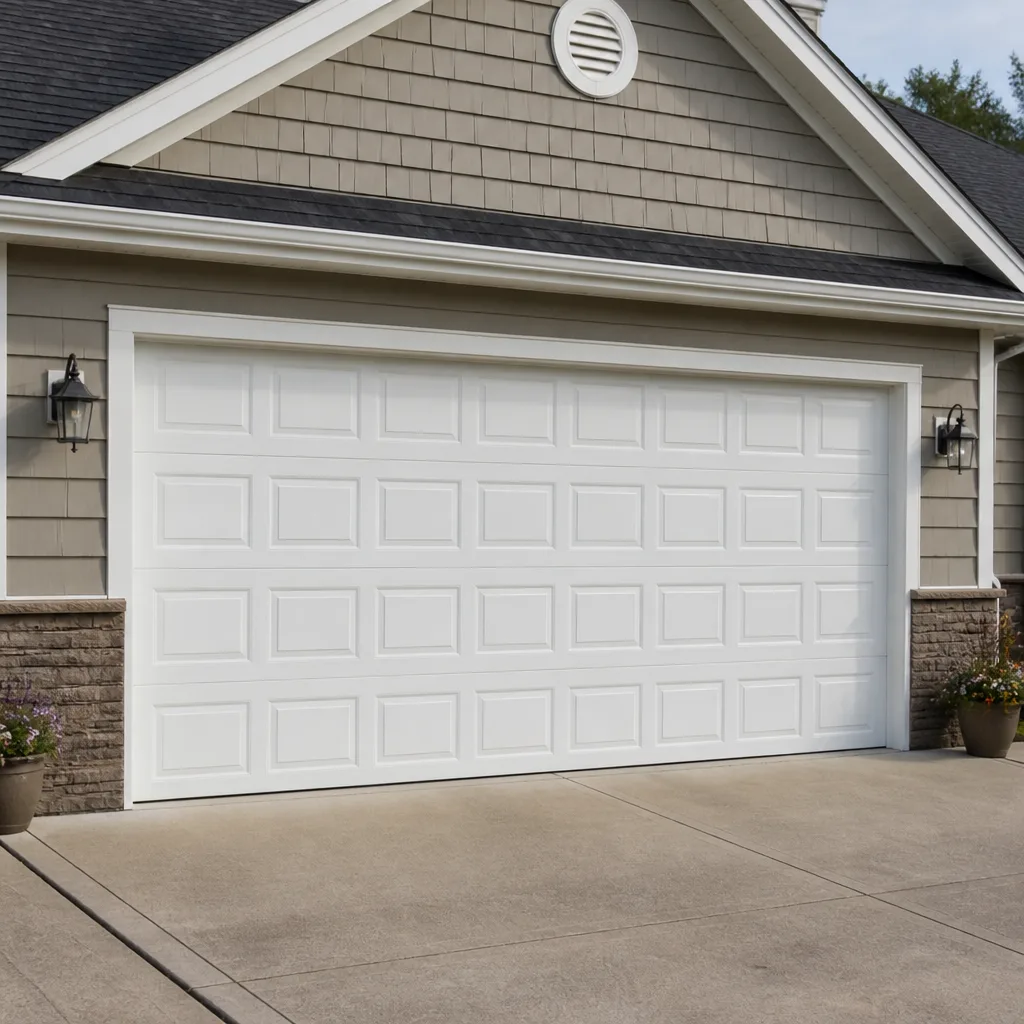 Raised-panel steel
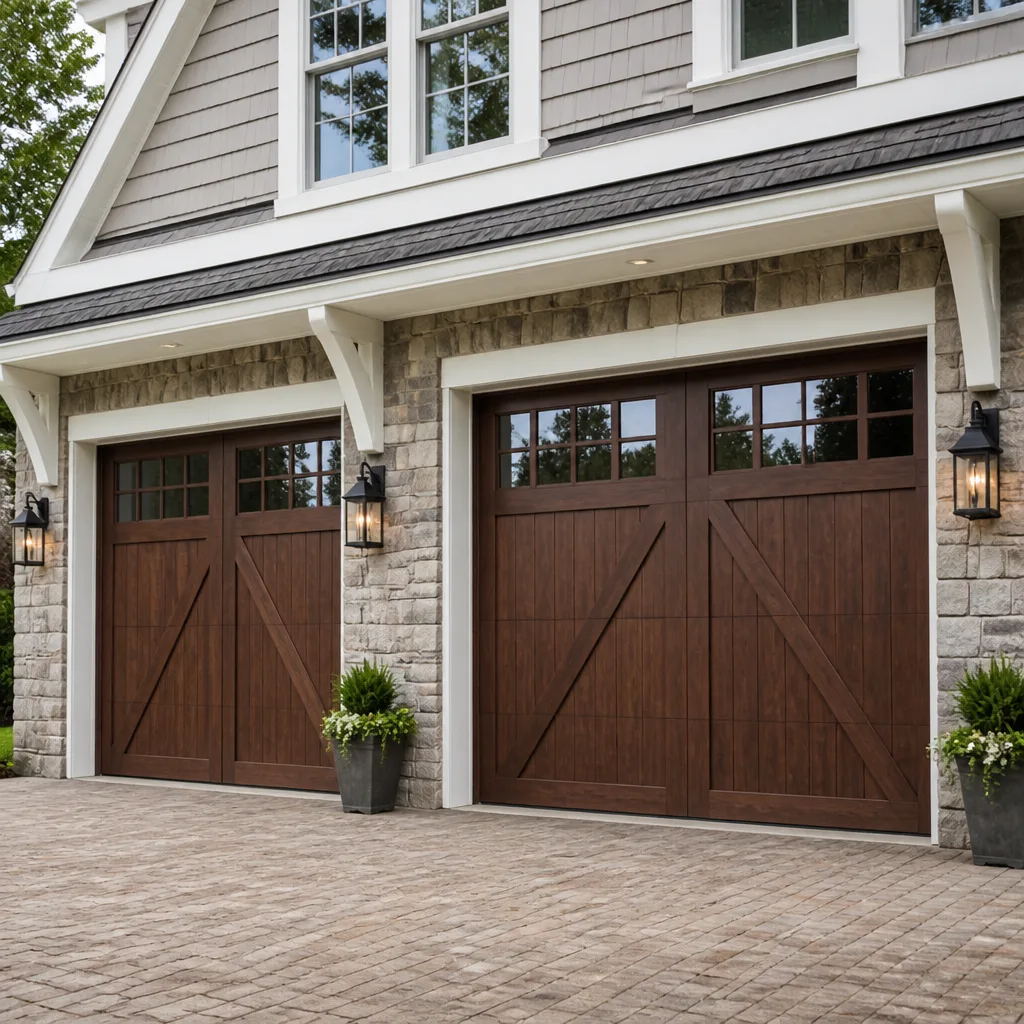 Carriage house
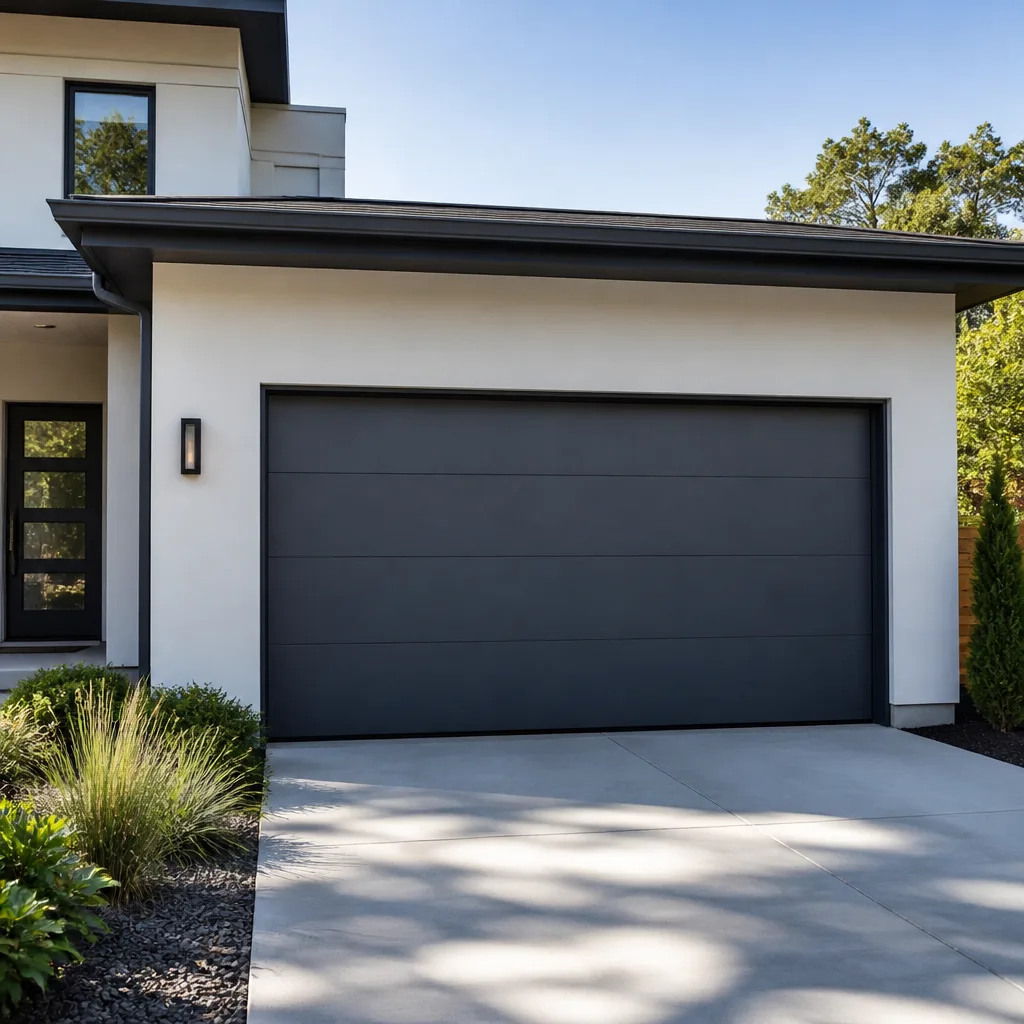 Modern flush
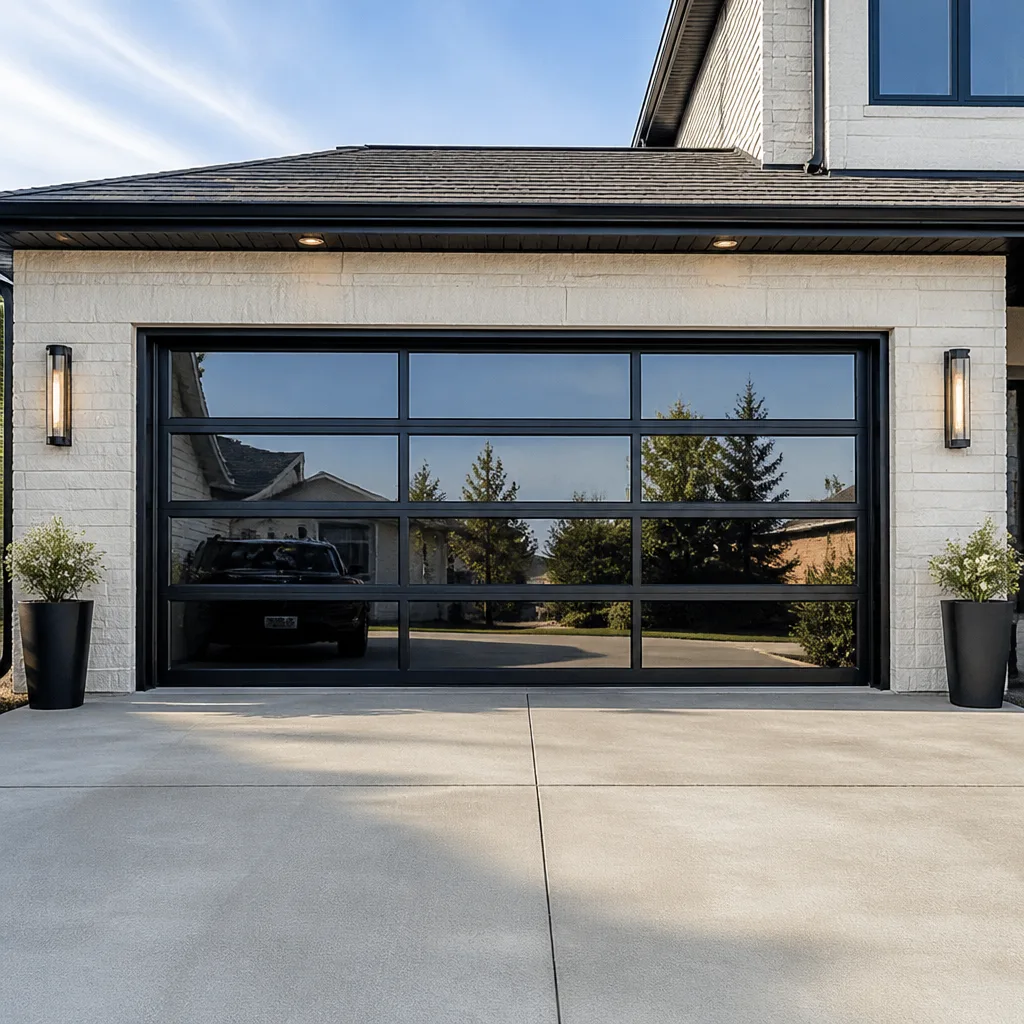 Full-view glass
 LiftMaster openers
 Chamberlain openers
Full 25-point door and opener safety check with every visit - springs, cables, rollers, tracks, and your LiftMaster or Chamberlain opener included
You get a price before we start. It does not change when the pro arrives.
Get your free estimateDIY vs Professional Garage Door Repair: What’s Safe to Do Yourself
A torsion spring under full tension stores roughly the same energy as a loaded firearm. That comparison isn’t designed to alarm you. It’s the most honest way we know to explain why this question has a real answer and not a vague one. The question isn’t whether you’re handy. It’s whether you understand what you’re handling.
Most homeowners in Summerlin are perfectly capable of the small stuff, and doing it yourself saves money and time. But a few jobs in a garage door system involve releasing or adjusting stored energy, and no amount of YouTube confidence changes the physics. In this guide, we’ll draw a clear line: tasks where spring tension is involved and should go to a professional, and tasks that never touch that tension and are genuinely safe to handle yourself. You’ll also see the real cost math, why extension springs are more dangerous than torsion, and what videos leave out.
Quick Answer
Safe DIY tasks are the ones that never release or adjust spring tension: lubricating rollers and hinges, tightening loose bolts, realigning safety sensors, and replacing remote batteries. Anything that involves the springs, cables, bottom brackets, or the torsion shaft should go to a trained technician, because those parts hold enough stored energy to cause permanent injury. In short, if the task requires you to touch the energy that holds the door up, call a professional.
Styles & brands we work with
- Raised-panel steel
- Carriage house
- Modern flush
- Full-view glass
- LiftMaster openers
- Chamberlain openers
Table of Contents
- The Stored Energy Rule: How to Draw the Line
- Tasks That Never Touch Spring Tension (DIY-Appropriate)
- Tasks That Involve Stored Tension (Professional Only)
- Torsion vs Extension Springs: Why One Is More Dangerous
- The Real Cost Math: DIY Parts vs Professional Labor
- What “I’ll Just Watch a Video” Misses
- Summerlin Context: Climate, Codes, and Common Failures
- When to Call a Professional
The Stored Energy Rule: How to Draw the Line
Every garage door system is an energy storage device. The springs are wound so they can lift a door that weighs between 130 and 350 pounds, depending on size and material. When the door is closed, that energy is sitting there, held in place by cables and brackets. When you touch a spring, a cable, or a bracket, you’re working inside that stored energy. When you touch a roller, a hinge, or a sensor, you’re not.
That’s the whole rule. It isn’t about whether you own a socket set or whether you’ve fixed things around the house for forty years. It’s about whether the task requires you to release, adjust, or work around the tension that carries the door’s weight.
We’ve seen this play out in Summerlin more times than we’d like. A homeowner watches a video, decides a winding bar looks straightforward, and ends up with a snapped cable and a bent track. The injury risk is real, but the secondary problem is that a system pulled out of balance can damage panels and the opener. The repair bill grows from a spring replacement into a full track-and-panel job.
One more detail: the danger doesn’t disappear when the door is down. A closed door under tension is still under tension. Never assume the “safe” position is the resting position.
How to Identify What You’re Looking At
Before you decide anything, look up at the header above the door and identify the spring type. A single horizontal spring mounted on a metal shaft above the door, usually with cables running down each side, is a torsion system. Two springs running parallel to the horizontal tracks on each side, stretching when the door closes, are extension springs. This matters for every decision that follows.
Tasks That Never Touch Spring Tension (DIY-Appropriate)
These jobs are genuinely safe for a careful homeowner. They improve how the door runs, reduce noise, and prevent small problems from becoming big ones. None of them requires you to release or adjust spring tension.
Lubricating rollers, hinges, and tracks. Use a silicone-based or lithium grease lubricant, not WD-40, which attracts dust. Apply to the hinge pivot points and roller stems. Wipe the vertical tracks with a rag and a light coat of lubricant. Two or three times a year is enough. This is the single best thing you can do for the door’s lifespan.
Tightening loose bolts and hinges. Inspect the hinges and the bracket bolts that hold the track to the wall. Vibration loosens them over time. A socket wrench and five minutes will quiet a rattling door. Do not touch the bolts that hold the spring anchor plate or the bottom brackets where the cables attach.
Realigning safety sensors. If the door reverses before it touches the floor, the photo-eye sensors near the bottom of each track are likely misaligned. Check that the LED on each sensor is solid, not blinking. Loosen the wing nut, aim the sensor so the beam hits its partner, and tighten. Clean the lens with a soft cloth. This is a fifteen-minute job, and it’s the most common reason a door won’t close.
Replacing remote batteries and reprogramming remotes. If your Chamberlain or Genie remote stops working, replace the battery first. If it still doesn’t respond, reprogram it using the learn button on the opener motor. The manual for your model has the exact sequence. This is a five-minute task and costs less than ten dollars.
Replacing weather seals and bottom rubber. The bottom seal on the door wears out and lets in dust, heat, and insects. A new seal slides into the retainer channel and requires no tools beyond a pair of pliers. In Summerlin, where wind-driven dust is a constant, this seal takes a beating and should be checked every spring.
- Lubricate rollers and hinges with silicone lubricant.
- Tighten loose track and hinge bolts with a socket wrench.
- Check sensor LEDs and realign the photo-eye if blinking.
- Replace remote batteries and reprogram as needed.
- Inspect and replace the bottom weather seal.
Tasks That Involve Stored Tension (Professional Only)
These are the jobs where the stored energy is the problem. We don’t provide step-by-step instructions here because the steps themselves are the danger. If you take one thing from this guide, let it be this list.
- Replacing torsion springs. The spring is wound under extreme tension. Releasing it without the correct winding bars and technique can cause the spring to whip or the bar to spin free.
- Replacing extension springs. These springs stretch and can fail violently. Old extension springs without safety cables are especially dangerous.
- Adjusting or replacing cables. The cables carry the door’s weight and are under constant tension. A cable that snaps under load can cause serious injury.
- Replacing bottom brackets. The bottom bracket is where the cable attaches to the door. It is under load at all times.
- Replacing the torsion shaft or center bearing plate. These components hold the entire spring system in place.
- Track realignment after a major impact. If a car has hit the door or the door has come off the track under load, the system may still be under tension. Let a professional assess it.
We’ve seen homeowners in Summerlin get this right and get it wrong. The ones who call us for spring work avoid the hospital and the second repair. The ones who don’t usually end up calling us anyway, with a bent door and a story. If you suspect a spring or cable problem, get a Garage Door Repair in Summerlin from a trained technician before you touch anything.
Torsion vs Extension Springs: Why One Is More Dangerous
Extension springs are the older, more dangerous system. They run along the horizontal tracks and stretch when the door closes. When one fails, the spring can fly in any direction with enough force to break through a garage wall. This is why modern safety standards require a containment cable running through the center of each extension spring. If you have an older door with extension springs and no safety cables, that is a hazard you should address, and it’s a job for a professional.
Torsion springs are the newer standard. They’re mounted on a shaft above the door and twist as the door closes. When a torsion spring fails, it usually breaks in place rather than flying. That doesn’t make it safe to work on. It still holds enough energy to break a wrist or worse. But the failure mode is more contained, which is one reason most new doors use torsion systems.
To identify what you have, look at the door header. One horizontal spring on a shaft means torsion. Two springs running parallel to the tracks means extension. If you’re not sure, don’t guess. A professional can tell you in seconds, and it changes what work is safe for you to attempt.
The Real Cost Math: DIY Parts vs Professional Labor
The obvious math is the part you see: a spring costs less at a hardware store than a professional charges for the spring plus labor. But the real math includes what happens if the job goes wrong. Consider these numbers, which reflect typical Summerlin pricing.
| Job | DIY Parts Cost | Professional Cost | Likely Outcome |
|---|---|---|---|
| Lubricate rollers and hinges | $8 – $15 | $60 – $100 (or free with tune-up) | DIY is the better deal |
| Realign safety sensors | $0 | $80 – $120 | DIY is the better deal |
| Replace remote battery | $3 – $6 | $20 – $40 | DIY is the better deal |
| Replace torsion spring | $30 – $60 (one spring) | $180 – $340 | High risk, likely second visit if DIY |
| Replace cables | $15 – $30 | $150 – $280 | High risk, professional recommended |
| Replace bottom bracket | $10 – $25 | $100 – $200 | High risk, professional recommended |
Here’s what the smaller numbers hide. If a DIY spring job goes wrong, you’re not just out the part. You may be looking at a bent track, a damaged panel, or a second callout to fix what the first attempt broke. That correction call often erases the savings entirely, and it happens more often than people admit.
On the installation and replacement side, the math is different again. A new door isn’t a weekend project, and a professional measurement ensures the door fits your opening correctly. For that, you want a Garage Door Installation in Summerlin. The measurement is free, and the written price is the one you pay.
If you have a written estimate in hand and you’re not sure whether it’s fair, our free second-opinion offer applies. There’s no pressure and no charge for a second look. The price gets agreed before any work starts, and that matters more than the lowest bid.
What “I’ll Just Watch a Video” Misses
Video tutorials are useful for the safe tasks. They’re genuinely helpful for sensor realignment and remote programming. But for anything involving springs, cables, or balance, the video can’t see your door. Three details differ on every door, and they change the procedure.
Door weight. Springs are matched to the door’s weight, not its size. A two-car door with a lightweight aluminum frame needs different spring tension than an insulated steel door. Guessing wrong means the door runs heavy or the opener strains, and either one shortens the door’s life.
Panel count and height. A seven-foot door and an eight-foot door use different spring wire diameters and different cable lengths. The video you watched may have been shot on a door that doesn’t match yours. The procedure looks the same and ends differently.
Header height and mounting. The distance between the door and the ceiling affects how the springs are mounted and how the opener is set up. In Summerlin’s newer builds, low-clearance garages are common, so the mounting configuration may differ from the video you’re following.
And the videos have another limitation: they show the job, not the aftercare. A door that looks right may still be out of balance. The final test, lifting the door halfway and letting go, should hold it in place. If it drifts, the springs are wrong, and that’s a professional call.
Summerlin Context: Climate, Codes, and Common Failures
Summerlin’s climate puts particular stress on garage door systems. The summer heat, with weeks above 105 degrees, expands and contracts metal components. Springs lose tension faster in high heat. We regularly see spring failures in Summerlin’s 55-plus communities right as the first heat wave hits, often on doors that have been in place for a decade or more.
Dust is the other local factor. In Summerlin’s newer neighborhoods, especially near the open desert edges, wind-driven dust works into the rollers, hinges, and bottom seal. A door that goes unlubricated for a year runs rough and strains the opener. This is why we suggest lubricating at the start of each summer.
On the code side, garage door safety has been part of building standards for decades. Modern openers include photo-eye sensors and pressure-reversal systems. If your door was installed before those standards, it may not have the safety features a newer door would have. A tune-up is a good time to check.
We’re also familiar with the brands you’re likely to have. Clopay and Amarr doors are common in Summerlin’s newer builds, while older neighborhoods often have Wayne Dalton or LiftMaster openers. If you have a Genie or Chamberlain opener, those parts are usually on the truck, which is why most repair jobs finish in a single visit.
If your door is running rough or you’ve noticed a new noise, a Garage Door Opener in Summerlin inspection will tell you whether the issue is the opener or the door. It’s a quick check.
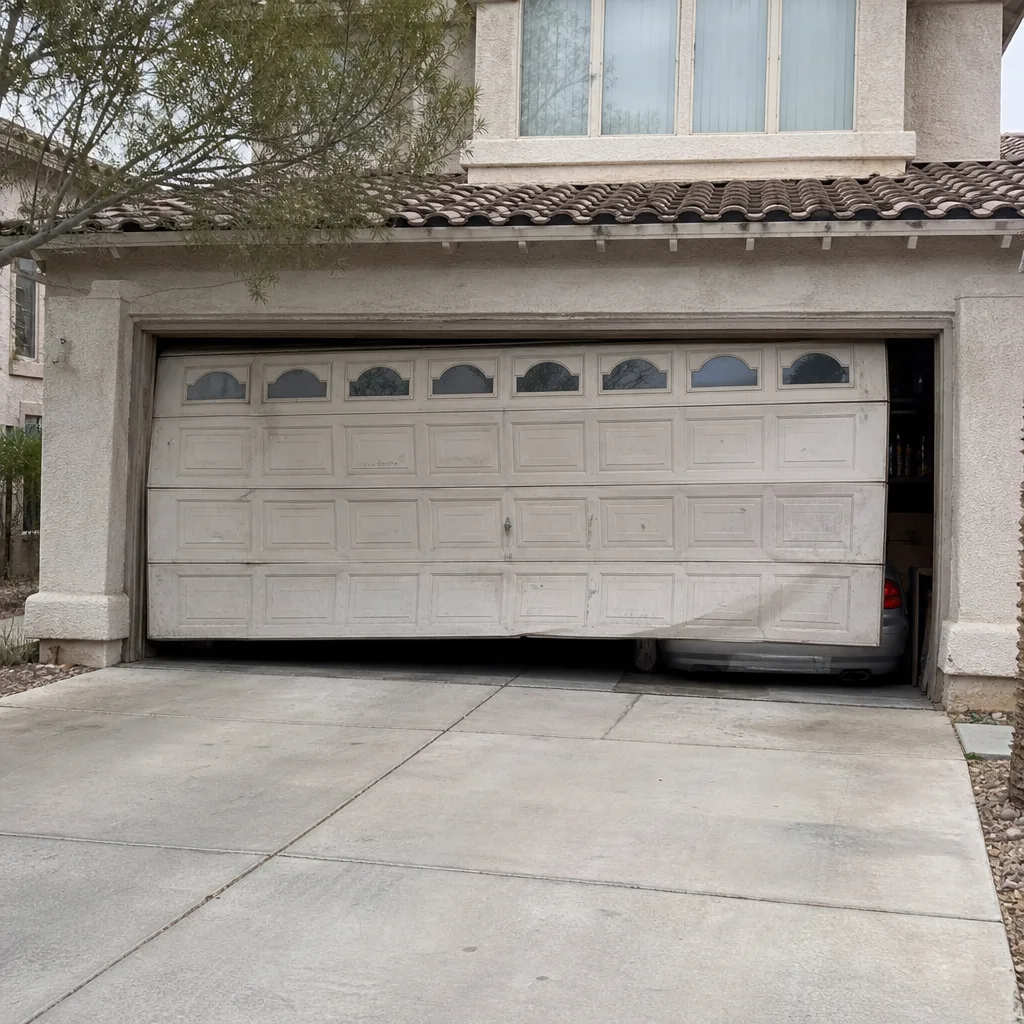
See the difference
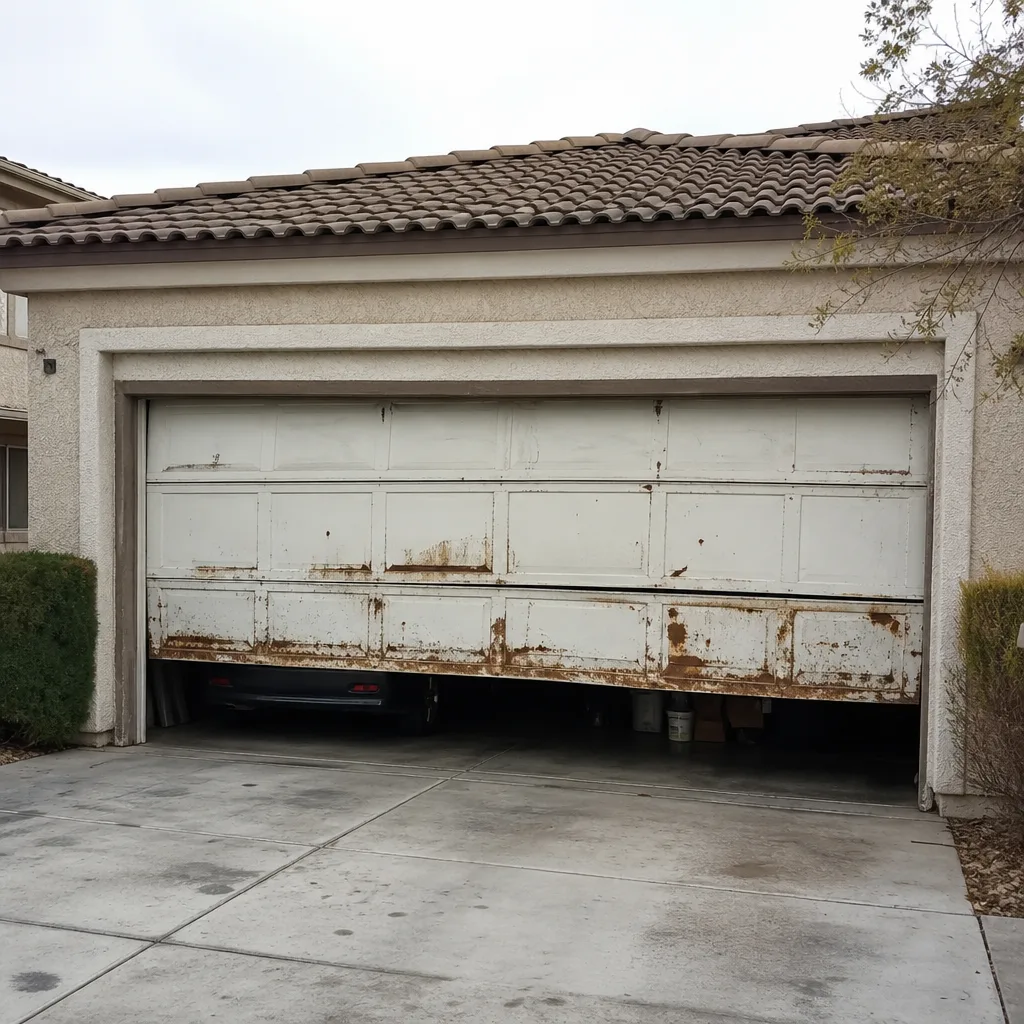 Before
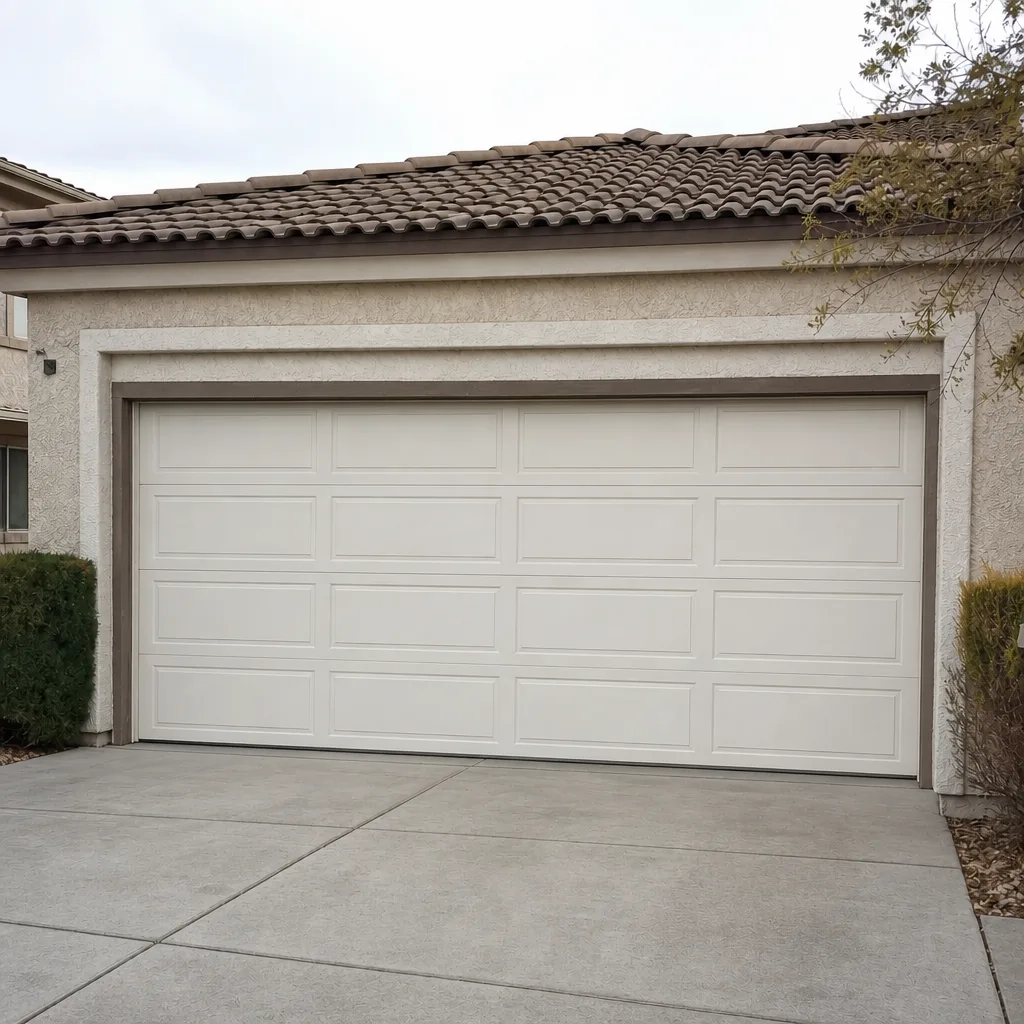 After
 Before
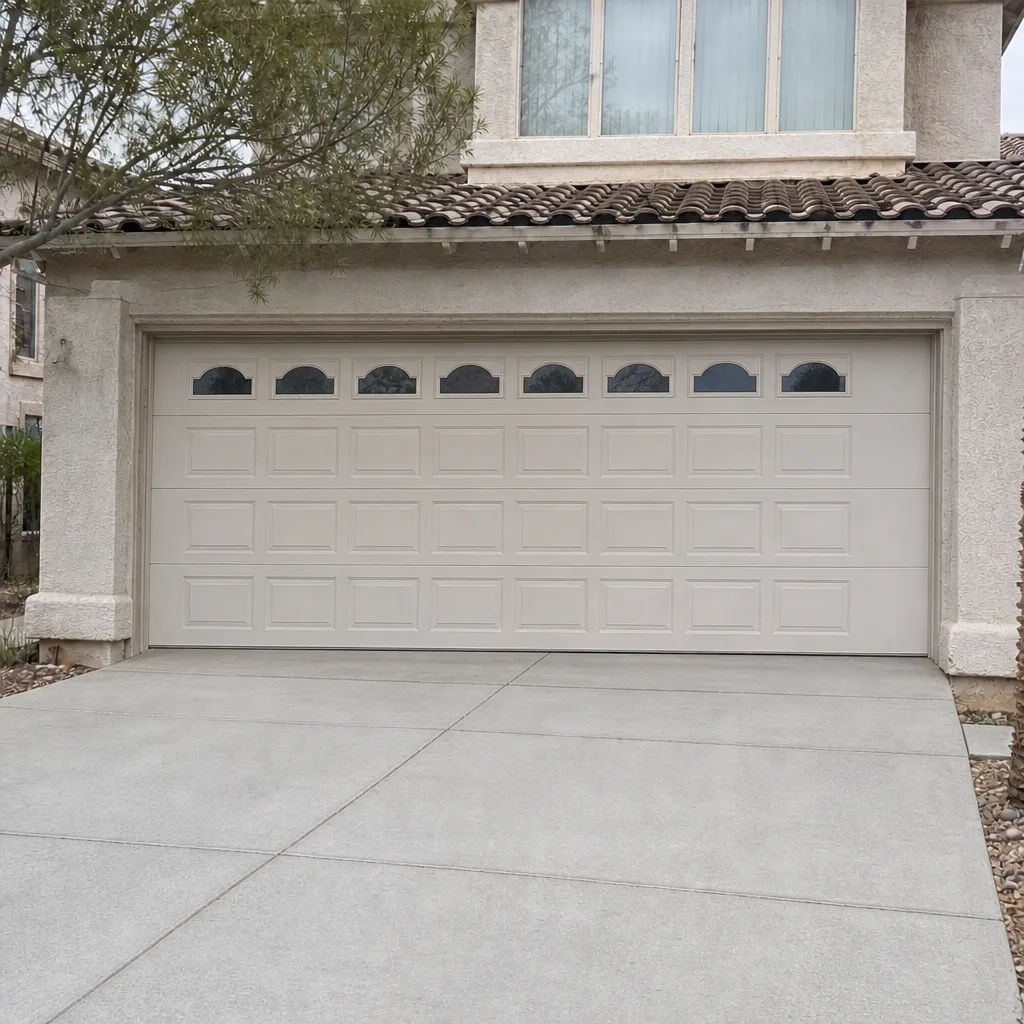 After
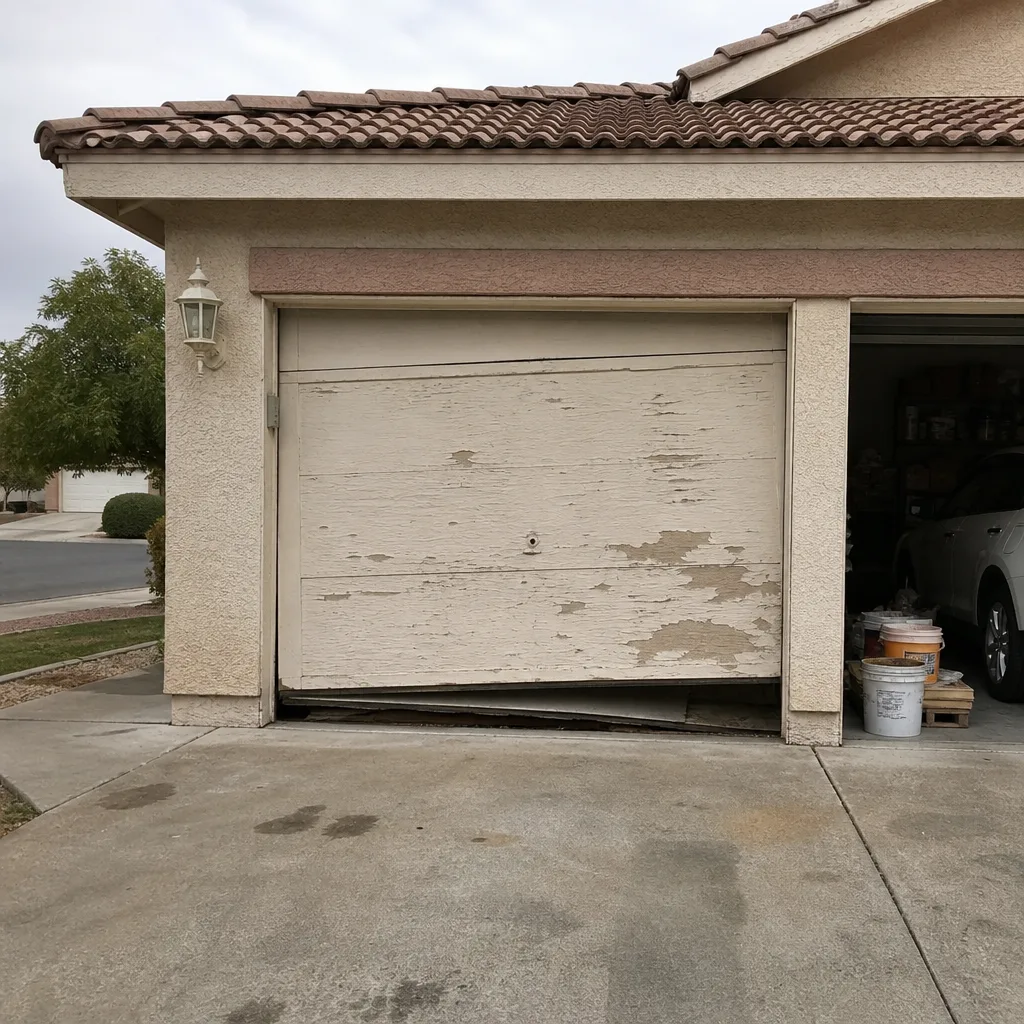 Before
 After
Common Mistakes to Avoid
- Winding a spring without the right winding bars. Screwdrivers and pliers are not winding bars. They slip, and the spring does what springs do. This is the most common cause of serious injury in home garage door work.
- Assuming a closed door is safe. The springs are under tension whether the door is up or down. A closed door can still carry enough stored energy to cause harm.
- Using WD-40 on the tracks. It attracts dust and grime, which makes the rollers stick. In Summerlin’s dusty conditions, that’s the opposite of what you want. Use silicone lubricant instead.
- Ignoring a door that reverses on its own. A door that reverses without reason usually has a sensor problem, but sometimes it’s a sign of a spring or cable issue. If the sensor check doesn’t fix it, get a professional look.
- Attempting to lift a door off its tracks alone. Don’t. A door off its track can fall. Wait for a technician.
- Skipping the second callout math. DIY looks cheaper until you pay for a second visit to fix what the first attempt broke. Factor that risk into your decision.
- Not checking the bottom seal. In Summerlin, a worn bottom seal lets in heat, dust, and insects. A replacement costs very little and takes minutes.
When to Call a Professional
Call a professional when the task involves springs, cables, bottom brackets, the torsion shaft, or any situation where the door has come off its track. Also call if the door is out of balance, if you hear a loud bang from the garage, or if the opener strains to lift the door. If your door is older and has extension springs without safety cables, that’s a professional job, no exceptions. If the work is a new door, a full replacement, or an opener upgrade, the measure and written price come first.
Mainspring Garage Door Co. Summerlin offers free estimates in Summerlin. Call (855) 608-8802. The price is stated before any work begins, most repairs finish in a single visit because the parts are on the truck, and every job is covered by the 90-Day Done Right Promise in writing.
Frequently Asked Questions
No. Spring replacement involves releasing stored energy under extreme tension, and the risk of serious injury is real even for experienced DIYers. The failure of a spring or winding bar can cause permanent harm. Call a trained technician. Estimates are free, and the price gets agreed before work starts.
Torsion spring repair in Summerlin typically runs $180 to $340, depending on the spring type and door weight. Extension spring replacement is usually in the same range, sometimes lower. Call (855) 608-8802 for an exact quote, and the flat price is stated before any work begins.
Yes. A torsion spring under full tension stores roughly the same energy as a loaded firearm. When it releases, it releases that energy in an instant. Spring failure can cause fractures, cuts, and worse. This is why spring work belongs with a trained professional.
Torsion springs are mounted on a horizontal shaft above the door and twist as the door closes. Extension springs run parallel to the tracks and stretch when the door closes. Extension springs are more DIY-dangerous because when they fail, they can fly across the garage. Torsion springs usually break in place, but both are under dangerous tension.
If the door reverses before touching the floor, check the sensor LEDs. A solid light on both sensors usually means they’re aligned. A blinking light means the beam is interrupted. Realigning them is a safe DIY job that takes about fifteen minutes. If realigning doesn’t fix it, the problem is elsewhere.
Usually, yes. A door that won’t close is most often a sensor issue, which is DIY-safe. But if the door has come off its track, makes a loud noise, or the opener strains, that’s a professional call. In Summerlin, call (855) 608-8802 and we’ll tell you what to check over the phone, free of charge.
The Bottom Line
The DIY-versus-professional question comes down to stored energy. Lubricating rollers, tightening bolts, realigning sensors, and replacing remote batteries are safe and worth doing yourself. Springs, cables, bottom brackets, and anything involving the door’s balance belong with a trained technician. The parts savings on a spring job are real, but they’re erased by a second visit if the job goes wrong. In Summerlin, heat and dust make regular lubrication and a once-a-year tune-up the best defense against larger repairs. And if you’re not sure which category a task falls into, that uncertainty itself is your answer: call a professional.
If you have a repair question or want a free estimate, call (855) 608-8802. Our phones are answered by a live person, day or night, and the price gets agreed before any work starts. You can also start at our Mainspring Garage Door Co. Summerlin home page for the full picture of what we do.
Written by the team at Mainspring Garage Door Co. Summerlin.