
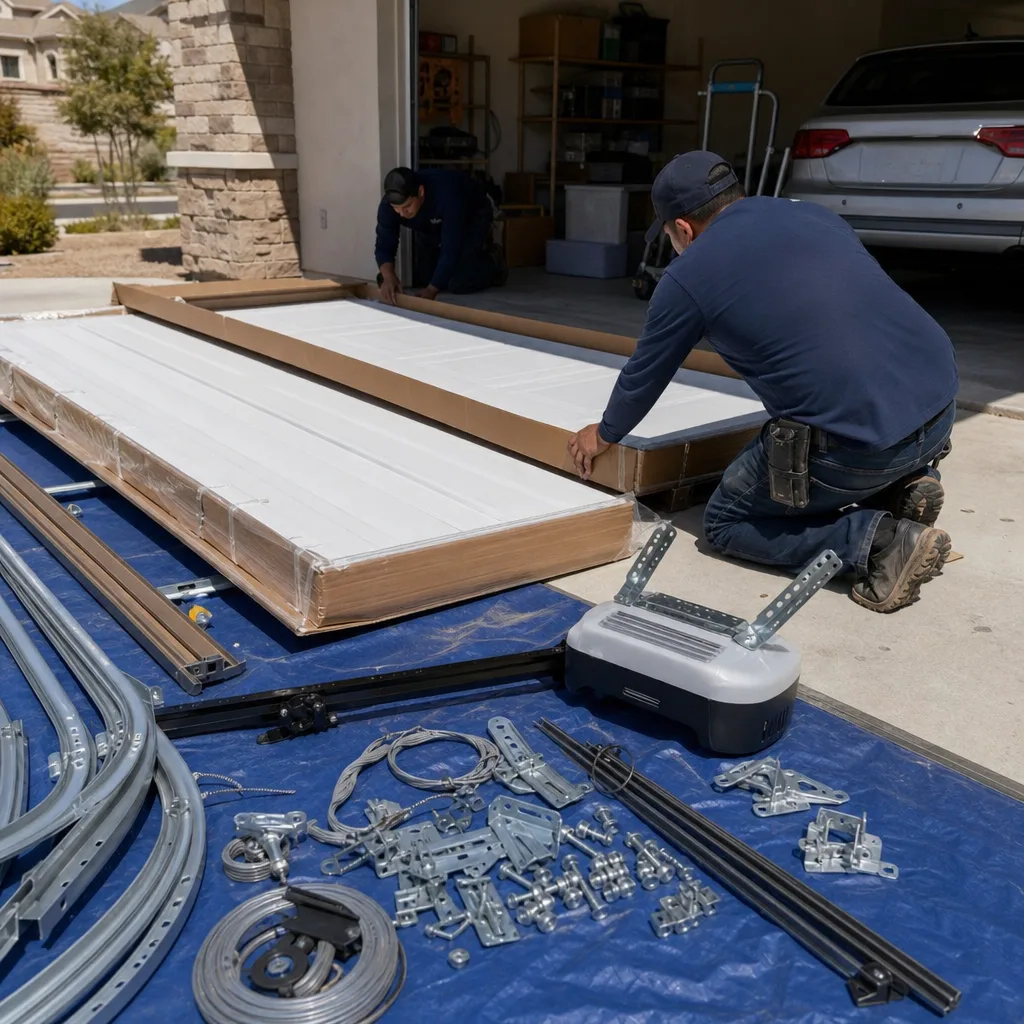
Last updated November 18, 2026
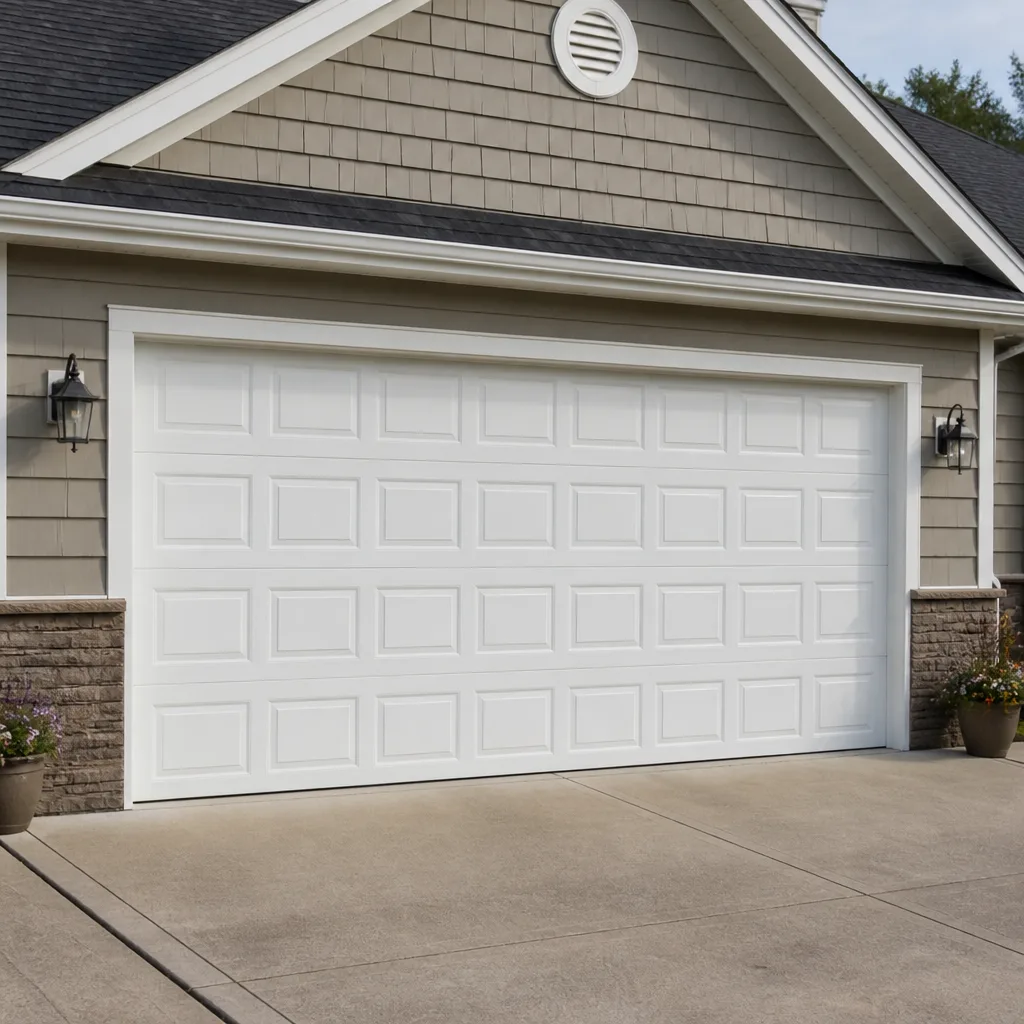 Raised-panel steel
 Carriage house
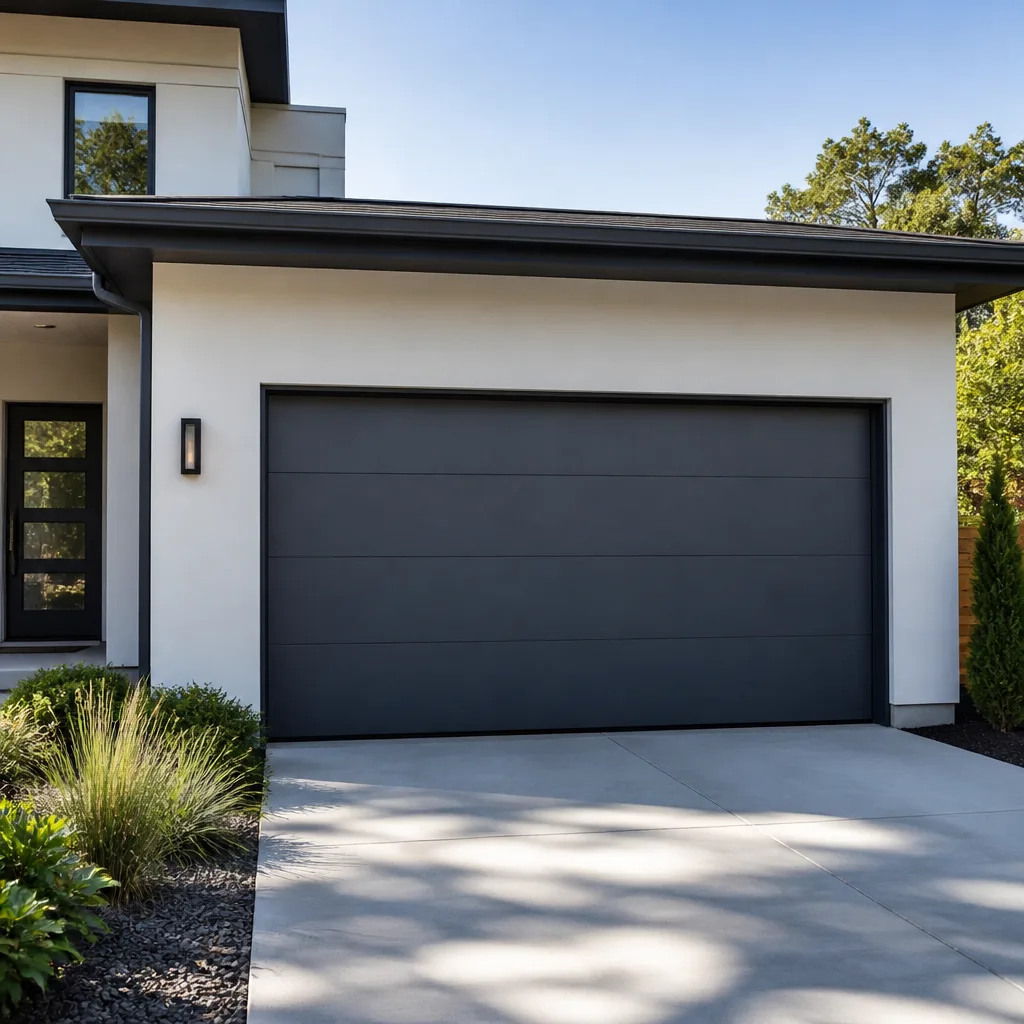 Modern flush
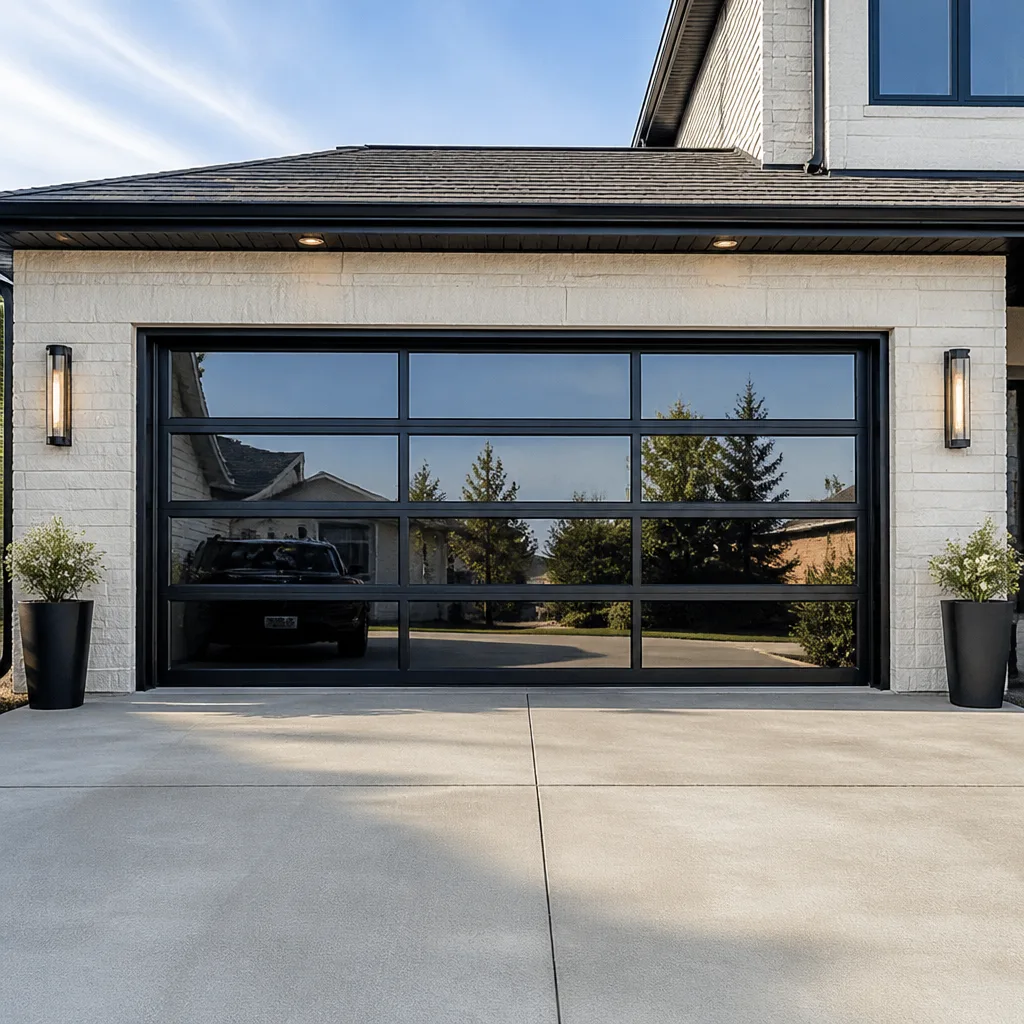 Full-view glass
 LiftMaster openers
 Chamberlain openers
Full 25-point door and opener safety check with every visit - springs, cables, rollers, tracks, and your LiftMaster or Chamberlain opener included
You get a price before we start. It does not change when the pro arrives.
Get your free estimateEmergency Garage Door Maintenance Schedule: What to Do and When
Of all the emergency garage door calls logged in a given year, the overwhelming majority trace back to one skipped task: spring lubrication. Not a faulty part, not bad luck, just dry metal cycling under tension until it fractures. That is the counterintuitive truth behind the phrase “emergency maintenance.” The tasks that prevent 9 p.m. failures are not the elaborate ones. They are five small jobs, done on a schedule, that keep a heavy door from turning into a problem you cannot fix yourself. This guide ranks those tasks by how much trouble they prevent, then shows you how to do each one correctly in Summerlin’s climate.
Quick Answer
Emergency garage door maintenance means doing the five highest-value tasks on a calendar: lubricating springs and cables quarterly, inspecting the torsion spring every three months, testing the auto-reverse and photo-eye monthly, checking balance and hardware twice a year, and adjusting for desert heat before and after Summerlin summers. Skipping any of them is what turns a twenty-dollar maintenance job into a weekend emergency call. Most of these checks take ten minutes or less.
Styles & brands we work with
- Raised-panel steel
- Carriage house
- Modern flush
- Full-view glass
- LiftMaster openers
- Chamberlain openers
Table of Contents
- Why “Emergency Maintenance” Is Not a Contradiction
- The Five Anti-Emergency Tasks, Ranked by Impact
- How to Inspect a Torsion Spring for Early Fatigue
- The Right Lubrication Protocol (and the Wrong Product)
- Why Auto-Reverse and Photo-Eye Testing Is Safety, Not Maintenance
- Summerlin Seasonal Adjustments: Before and After the Heat
- Your Quarterly and Monthly Walk-Through
- Common Mistakes to Avoid
Why “Emergency Maintenance” Is Not a Contradiction
Homeowners hear the phrase and picture a technician in the driveway at midnight. That is not what this is. “Emergency maintenance” is shorthand for the specific tasks that, if you skip them, are the most likely cause of the kind of failure you cannot safely handle yourself. The distinction matters because most of what fills a full garage door checklist is cosmetic or low-stakes. Belt tension on a garage door opener can be fussy without being dangerous. A squeaky hinge is annoying, not urgent.
The tasks that actually matter are the ones tied to the parts carrying the door’s weight and the parts that stop it from crushing something. A torsion spring under tension, a fraying lift cable, a photo-eye that no longer reverses the door: these are the three failure points behind almost every emergency call we run in Summerlin. A door with a broken spring will not move. A door with a dead safety sensor is a hazard every time someone walks under it.
So think of this schedule in terms of consequence, not completeness. We are not going to hand you a 40-line checklist you will abandon by February. We are going to give you five tasks, ranked, and the schedule that keeps them done.
The Five Anti-Emergency Tasks, Ranked by Impact
Ranked from highest failure-prevention value to lowest. If you only do the top two, you have already prevented most of the emergencies we see.
- Lubricate the springs and cables (quarterly). Dry metal under tension is the single biggest cause of spring fracture. A proper lube job takes ten minutes and costs almost nothing. This is task number one by a wide margin.
- Inspect the torsion spring for fatigue (quarterly). A spring does not fail without warning. It shows tight coil gaps, discoloration, and surface cracking first. Learn to read those signs and you can plan a replacement instead of waking up to a dead door.
- Test the auto-reverse and photo-eye (monthly). This is a safety task, not a maintenance one, and it takes 60 seconds. A non-reversing door is a serious hazard, especially with grandchildren in the house.
- Check balance and hardware (twice a year). A door that will not stay put at the halfway point is straining its opener and springs. Loose brackets and rollers follow from the same imbalance.
- Seasonal adjustments for Summerlin heat (twice a year, spring and fall). Desert temperature swings work metal and expand wood. A door that ran quiet in March can grow loud or sluggish by August without a single part failing.
Everything else on a full-service checklist, from hinge tightening to weather seal replacement, is worth doing but rarely prevents an emergency. These five do.
How to Inspect a Torsion Spring for Early Fatigue
The torsion spring is the horizontal coil above your door that carries the door’s weight. Mainspring takes its name from this part because it does the hardest work in the whole system. When it fails, it fails loudly, and the door will not lift. The good news is that fatigue leaves fingerprints. A ten-minute quarterly look can catch a spring weeks or months before it lets go.
A word before you look: do not touch, wind, unwind, or adjust a torsion spring. It is under extreme tension, and a spring that slips under a wrench can cause serious injury. What you are doing is a visual read from a safe distance. That is the whole job.
- Check the coil gaps. Look along the length of the spring. The coils should sit evenly spaced. If you see sections where the coils are pressed tight together and other sections that are spread apart, the spring is losing tension.
- Look for discoloration. A healthy spring is a uniform color. Dark or bluish patches suggest heat buildup from metal that is working too hard.
- Look for surface cracking or flaking. Run your eye (not your hand) along the spring for thin cracks or shedding paint. Cracks mean the metal is already fracturing.
- Listen and watch during travel. A bang or a jolt when the door opens or closes points to a spring about to give way.
If you see any of these signs, cut the tension before it cuts your door: call for a spring replacement. Do not keep cycling a tired spring. In Summerlin, where we regularly see spring failures spike after a hot stretch, this quarterly read is the difference between a scheduled job and a Saturday emergency.
The Right Lubrication Protocol (and the Wrong Product)
This is the task most homeowners either skip or do wrong. The wrong product does more harm than none. Here is the protocol we recommend, and the one most people get backward.
- Use a lithium-based grease or a silicone spray. A dedicated garage door lubricant is best. White lithium grease in a spray can is the workhorse choice for springs and hinges. A silicone-based spray works for cables and tracks.
- Never use WD-40 or cooking spray. Plain WD-40 is a solvent, not a long-term lubricant; it cuts grease and evaporates. Cooking spray attracts dust and gums up. Both leave you worse off.
- Apply to springs, hinges, and the rollers. A light coat on the torsion spring, a drop on each hinge pin, and a bit on the roller stems. Do not douse the parts.
- Cables get a light oil, not grease. A few drops of a lightweight oil along the visible cable is enough. Cables should not be packed with grease, which can trap grit.
- Wipe off the excess. A thin, even film is the goal. Puddles attract dust and make a mess on the tracks.
Quantity and frequency: a light coat every three months is the right cadence in Summerlin. The dry desert air and heat pull moisture off bare metal fast, so a spring that would last six months between lubes in a humid climate may only make three here. That single fact is why our spring fracture calls concentrate in the late summer: dry, hot metal cycling hundreds of times a week.
Why Auto-Reverse and Photo-Eye Testing Is Safety, Not Maintenance
People file this under maintenance and skip it because the door still works. That is the wrong way to think about it. The auto-reverse and photo-eye are the door’s two safety brakes. If either fails, the door can close on a person or a pet. This is the one task on the list where the consequence is not inconvenience but injury, which is why it deserves a monthly check even though it takes a minute.
- Test the photo-eye. With the door open, wave an object (a broom handle or a piece of cardboard) in front of the sensor mounted at the bottom of each track. The door should refuse to close, or reverse immediately if it was closing. Do this with the door low and the sensor light visible; a steady sensor light means it is aligned, a blinking one often means something is out of line or the lens is dirty.
- Test the auto-reverse. Close the door by hand until it is about a foot above the floor, then let it go. If the door does not reverse on contact with an obstruction, the force setting is too high or the mechanism is failing. That needs a technician, not a DIY fix.
- Check the sensor alignment and lens monthly. Summerlin dust and spider webs are the usual culprits behind a blinking sensor. A quick wipe often ends the problem, and if it does not, the sensor itself may be failing.
If either test fails, treat it as urgent. A door that will not reverse is a door you should not let children near until it is fixed.
Summerlin Seasonal Adjustments: Before and After the Heat
Summerlin sits in the Mojave, and that shapes your maintenance calendar in ways a national checklist will not tell you. The desert swings from cool winter nights to brutal summer afternoons, and that range stresses metal, wood, and rubber differently than a coastal climate does. The result: two seasonal tune-ups, one before the heat and one after it, plus a standing eye on two Summerlin-specific issues.
Before summer (late spring)
- Lubricate one extra time. The heat dries metal. A fresh coat heading into June buys you a quiet summer.
- Check the balance. If the door will not hold at the halfway point, get it adjusted before the AC-season cycling begins.
- Inspect the weather seal and bottom seal. Desert heat cracks rubber; a split seal lets in dust and heat.
After summer (early fall)
- Re-inspect the torsion spring. This is when we see the fatigue signs most clearly in Summerlin; a spring that survived the heat may still be weakened by it.
- Look for warped panels. Wood and composite doors can swell and warp with heat. A warped panel loads the springs unevenly.
- Test hardware tightness. Heat expansion loosens bolts; a quick pass with a wrench now saves a rattle later.
One local detail: the fine desert dust that settles on tracks and rollers acts like sandpaper over time. Wiping the tracks down and re-lubricating lightly after a summer of use is worth more in Summerlin than it would be elsewhere. For a full tune-up, the garage door repair in Summerlin team can catch the seasonal issues in a single visit.
Your Quarterly and Monthly Walk-Through
Here is the whole schedule in one place. Pin it inside the garage door and you will not have to remember it.
Every month (60 seconds)
- Test the photo-eye with an object in front of the sensor.
- Test the auto-reverse with the door a foot above the floor.
- Wipe the sensor lenses clean.
Every three months (10 minutes)
- Lubricate springs, hinges, and rollers with lithium grease or silicone spray.
- Inspect the torsion spring for coil gaps, discoloration, and cracking.
- Look and listen for a bang or jolt during travel.
- Wipe dust from tracks and re-lubricate lightly.
Twice a year (30 minutes, spring and fall)
- Check door balance at the halfway point.
- Tighten visible bolts and brackets.
- Inspect the weather seal and bottom seal.
- Re-check spring fatigue after the summer heat.
Keep this cadence and you have covered everything that turns into an emergency. The rest, opener adjustments, remote pairing, and panel replacement, are dealer or manufacturer territory. If you would rather hand the whole schedule to someone who does it every day, a garage door installation in Summerlin visit is a good time to have a new door fitted and its schedule set from day one.
Common Mistakes to Avoid
- Lubricating with WD-40 or cooking spray. Both feel like they work and then leave the metal dry or gummy. Use lithium grease or a silicone spray.
- Adjusting or winding the torsion spring yourself. The spring is under extreme tension and can cause serious injury if it slips. Visual inspection only; leave the wrench work to a trained technician.
- Skipping the photo-eye test because the door works. The sensor can fail while the door still runs. A quick monthly wave of a broom handle catches it.
- Ignoring coil gaps until the spring snaps. In Summerlin heat, a tired spring can go from “working” to “dead” overnight. Catch the fatigue signs early and you control the timing.
- Waiting until August to think about summer heat. The tune-up that keeps a door quiet through July happens in May. After the heat is when we see the cracks.
- Over-lubricating the tracks. More grease is not better. Excess grease attracts the desert dust that wears your rollers.
- Ignoring a door that slams or bounces. A jolt during travel is a spring or balance problem, not a quirk. It gets worse.
See the difference
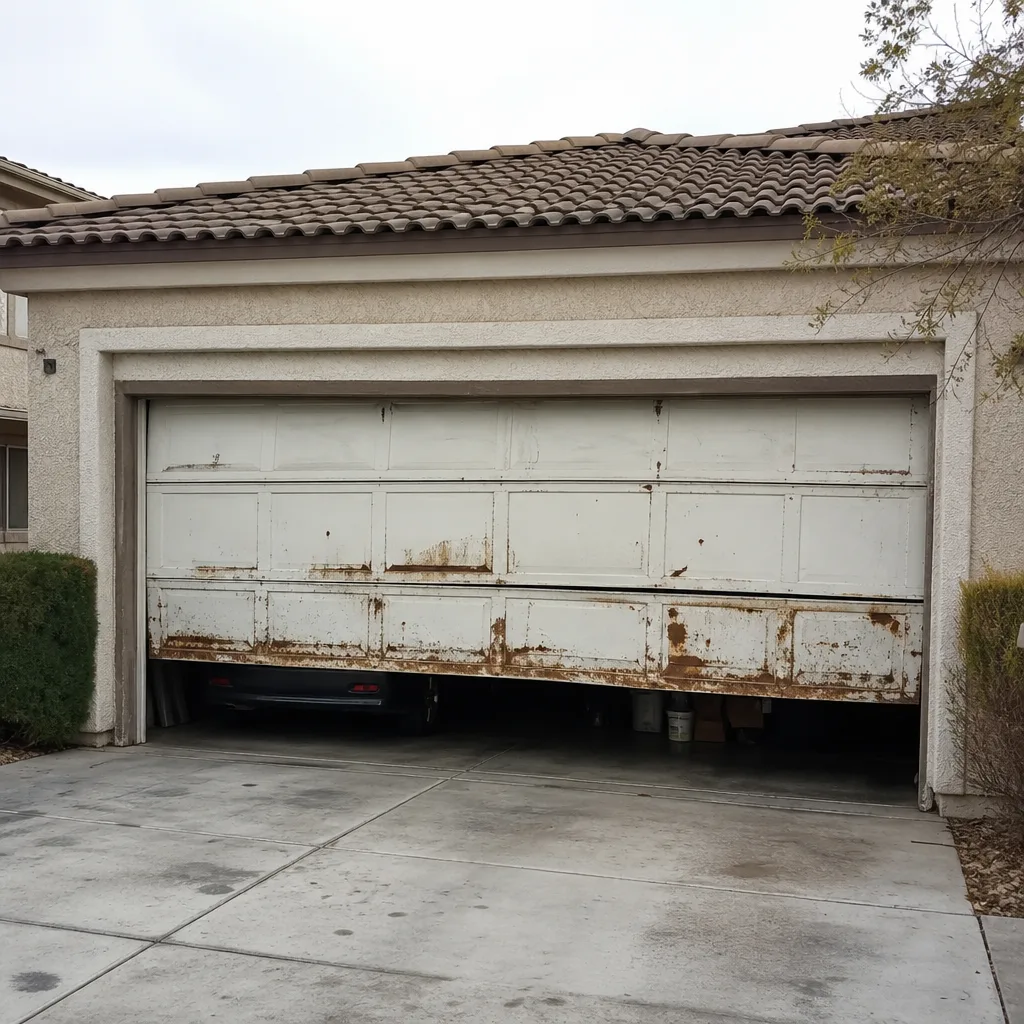 Before
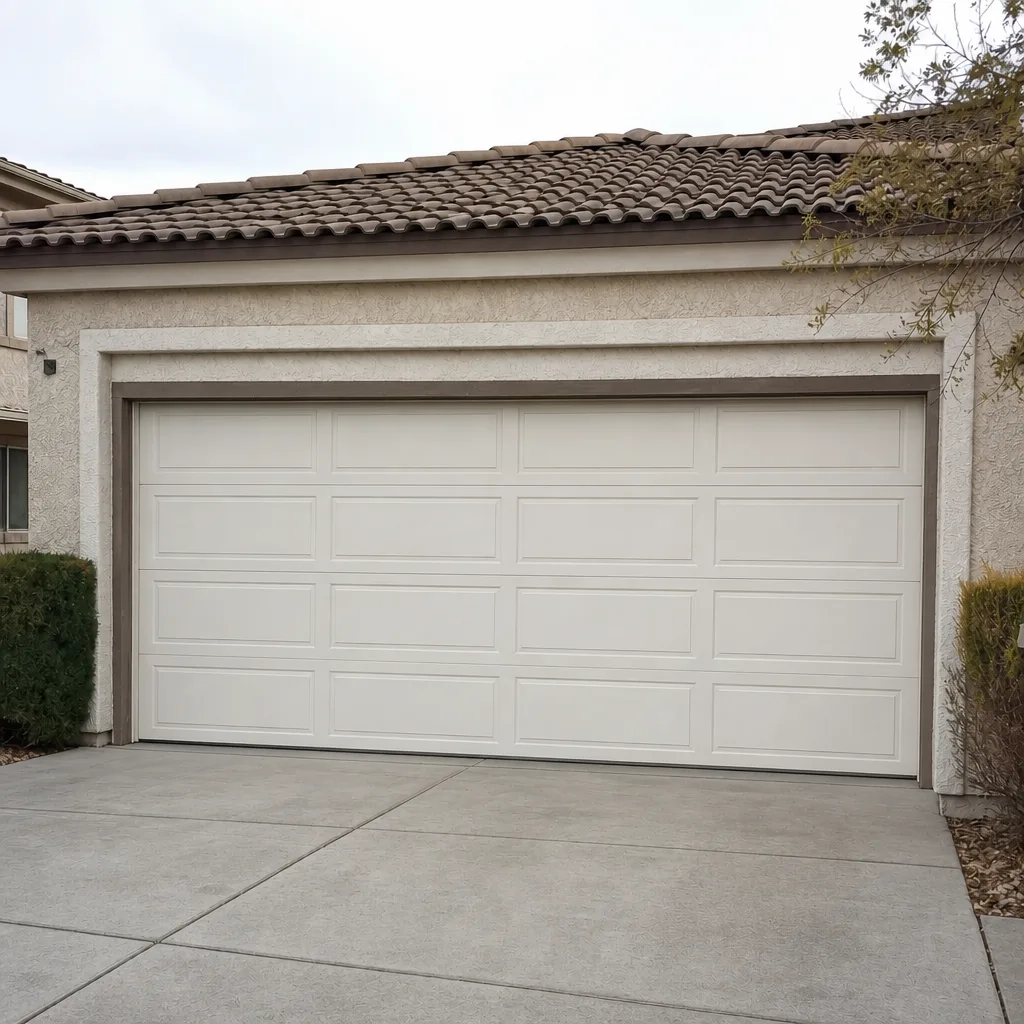 After
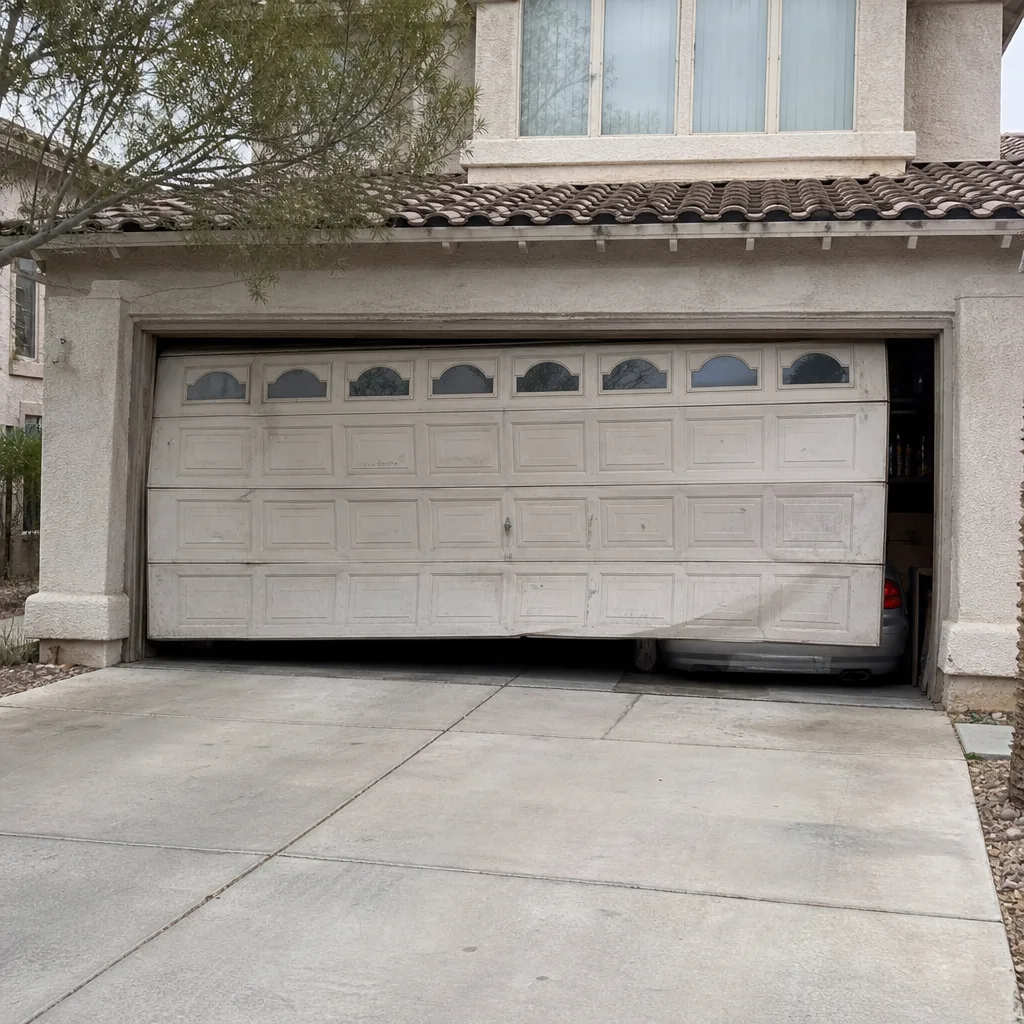 Before
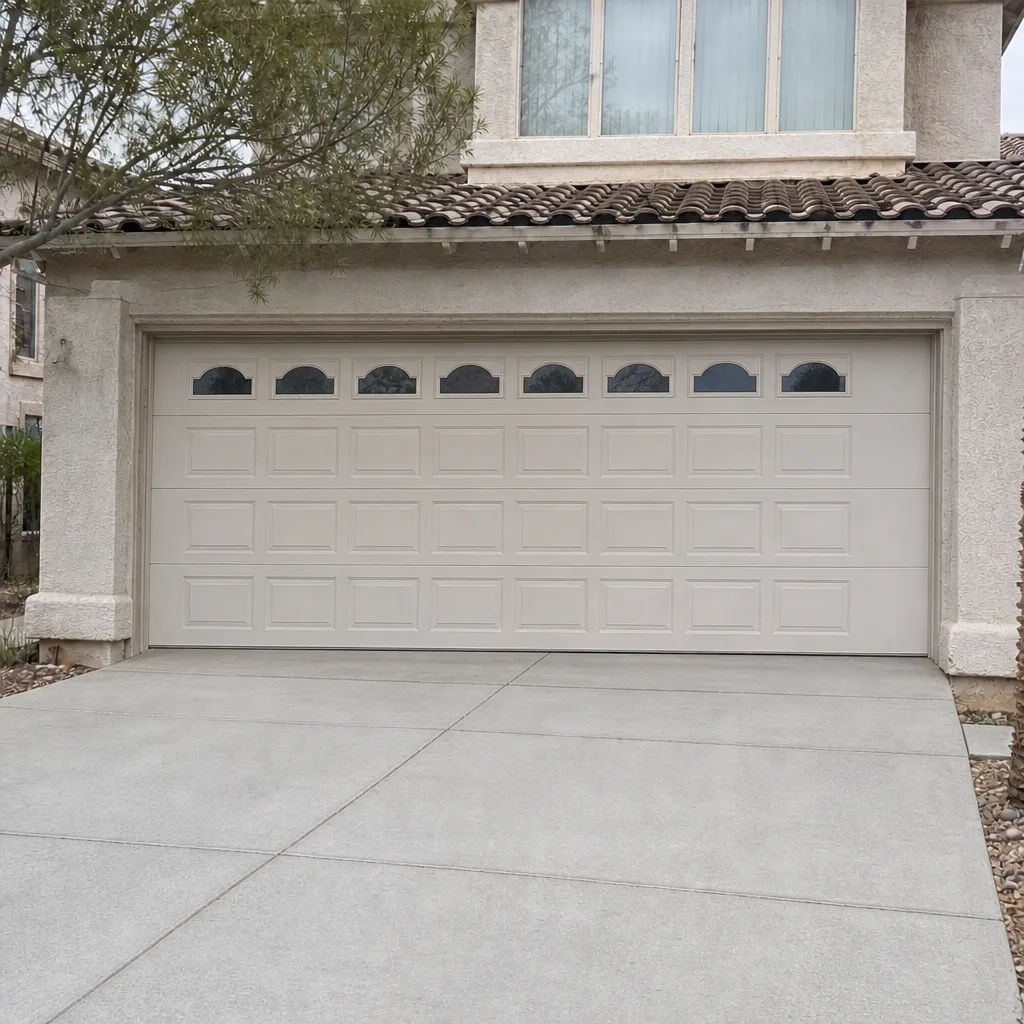 After
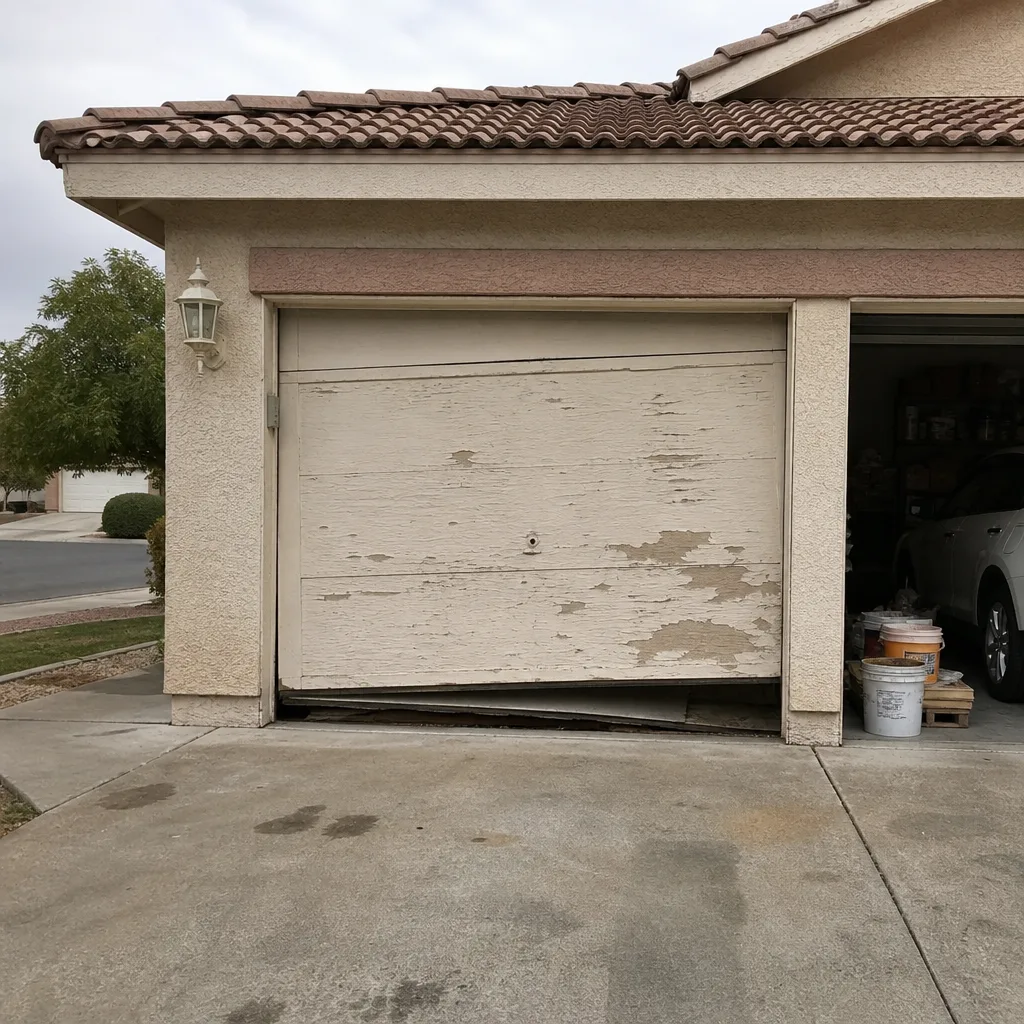 Before
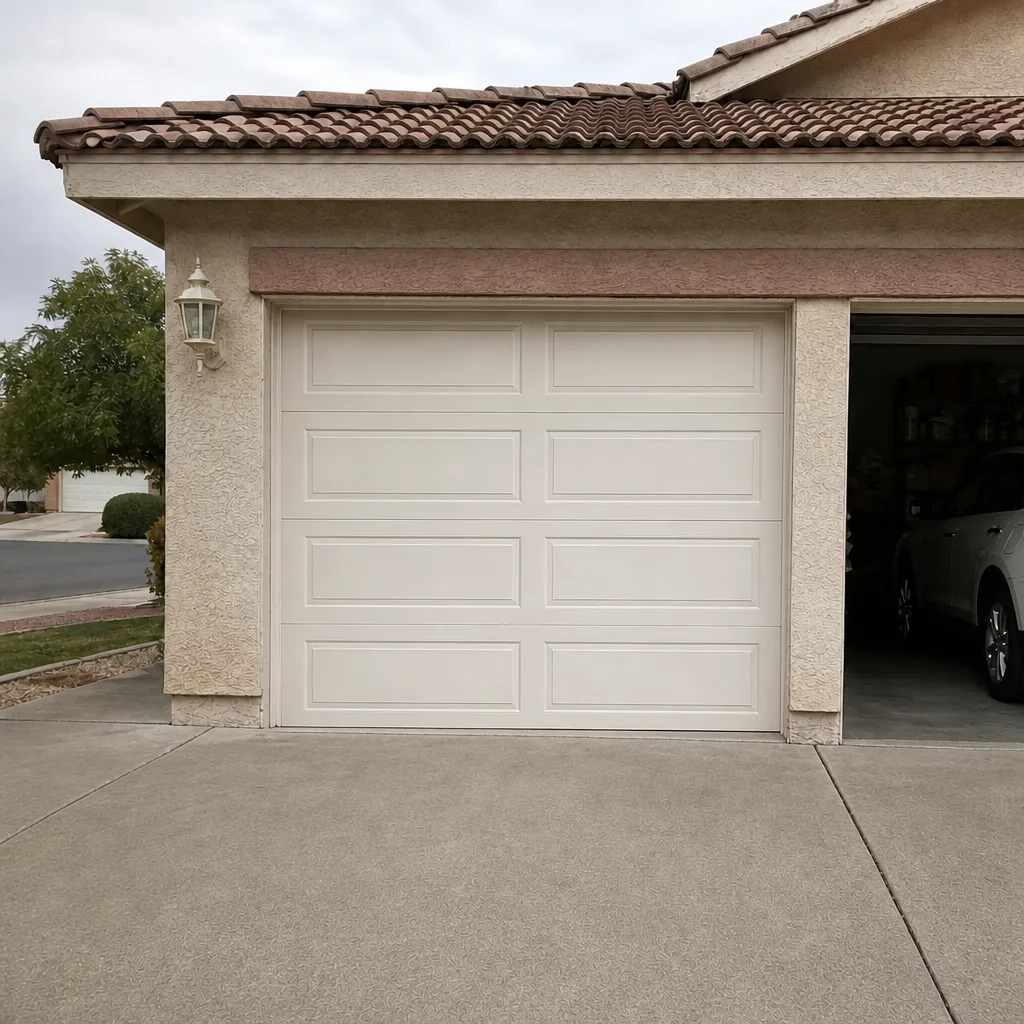 After
When to Call a Professional
Some things are worth a phone call. Call when you see cracking, tight coil gaps, or discoloration on the torsion spring; when a cable is frayed or has jumped its drum; when the door will not reverse after a monthly test; or when the door will not stay at the halfway point even after adjustment. A bang or jolt during travel is also a signal to stop cycling the door and call. Mainspring Garage Door Co. Summerlin offers free estimates in Summerlin, states the flat price before any work begins, and stands behind every job with a 90-Day Done Right Promise. Call (855) 608-8802 and a live person will answer, day or night. For a free written second opinion on any estimate you already have, bring it to us and we will look it over at no charge.
Frequently Asked Questions
Every three months. The dry desert heat pulls moisture off bare metal faster than a humid climate does, so a quarterly coat of lithium grease or silicone spray is the right cadence here. A door lubed once a year will still dry out and fracture its spring early. Call (855) 608-8802 if you would rather have it done right.
Look for tight coil gaps, discoloration, surface cracking or flaking, and listen for a bang or jolt during travel. Those signs appear weeks or months before a spring fails. If you see them, stop cycling the door and call for a replacement.
No. The torsion spring is under extreme tension and can cause serious injury if it slips. Visual inspection from a safe distance is all a homeowner should do; the winding and adjusting are a job for a trained technician.
About 60 seconds. Wave an object in front of the sensor to confirm the door refuses to close, and let the door reverse off an obstruction with the door a foot above the floor. Do both every month.
Yes. Summerlin’s temperature swings and dry air work the metal harder, and the fine desert dust acts like sandpaper on the moving parts. That is why we see spring fatigue signs spike after summer and recommend a fall re-inspection.
Lubricate the springs and cables one extra time, check door balance at the halfway point, and inspect the weather seal and bottom seal for cracking. Then inspect again after summer, when the spring fatigue is most visible.
The Bottom Line
Emergency garage door maintenance is not a contradiction; it is a filter. Five tasks matter most: lubricate the springs quarterly, inspect the torsion spring for fatigue, test the auto-reverse and photo-eye monthly, check balance and hardware twice a year, and adjust for Summerlin heat before and after the season. Do those and you have prevented the failures that bring a technician out at 9 p.m. The parts you cannot safely touch, the spring and the cables, are exactly the parts that reward a professional’s eye. If a monthly test fails or a spring shows cracking, do not wait. Mainspring Garage Door Co. Summerlin answers the phone around the clock, quotes the flat price before the work begins, and stands behind every job in writing. For a free estimate anywhere in Summerlin, call (855) 608-8802.
Written by the team at Mainspring Garage Door Co. Summerlin.