
Last updated November 18, 2026
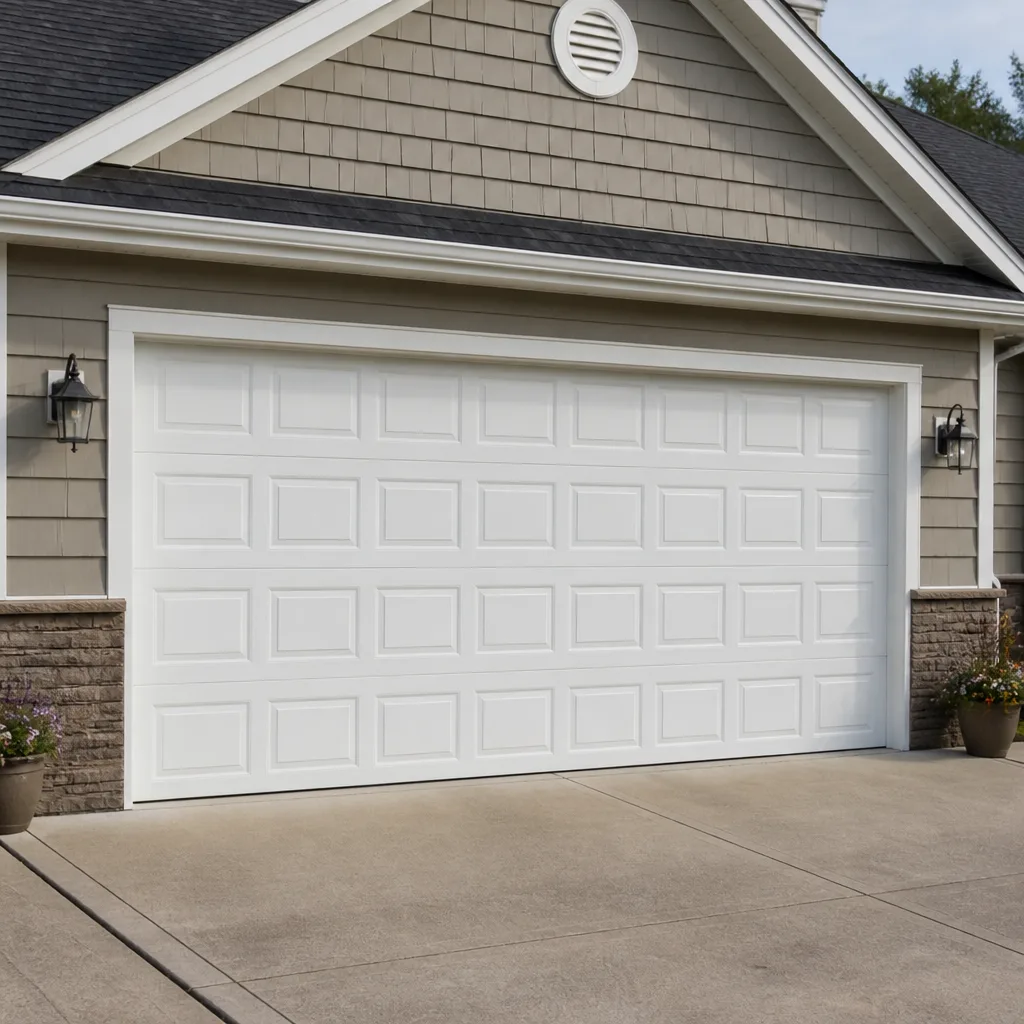 Raised-panel steel
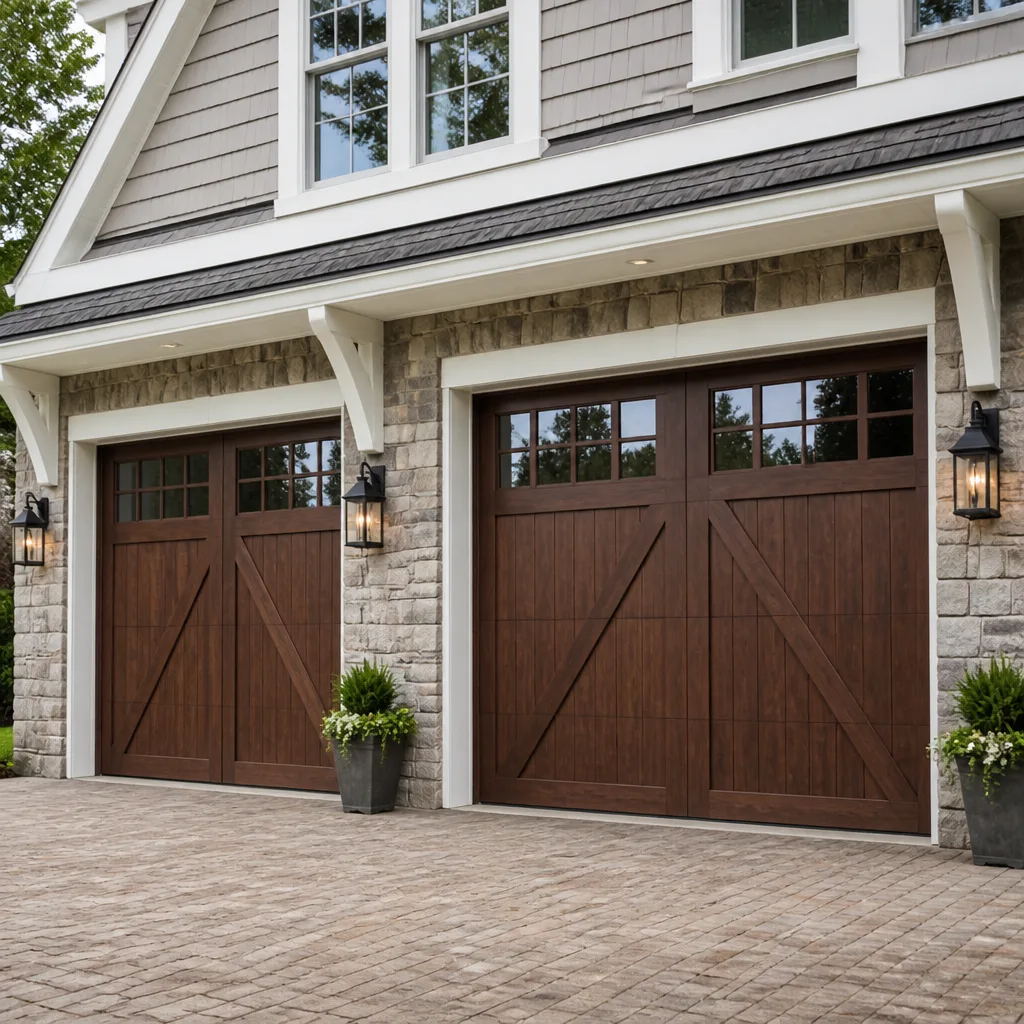 Carriage house
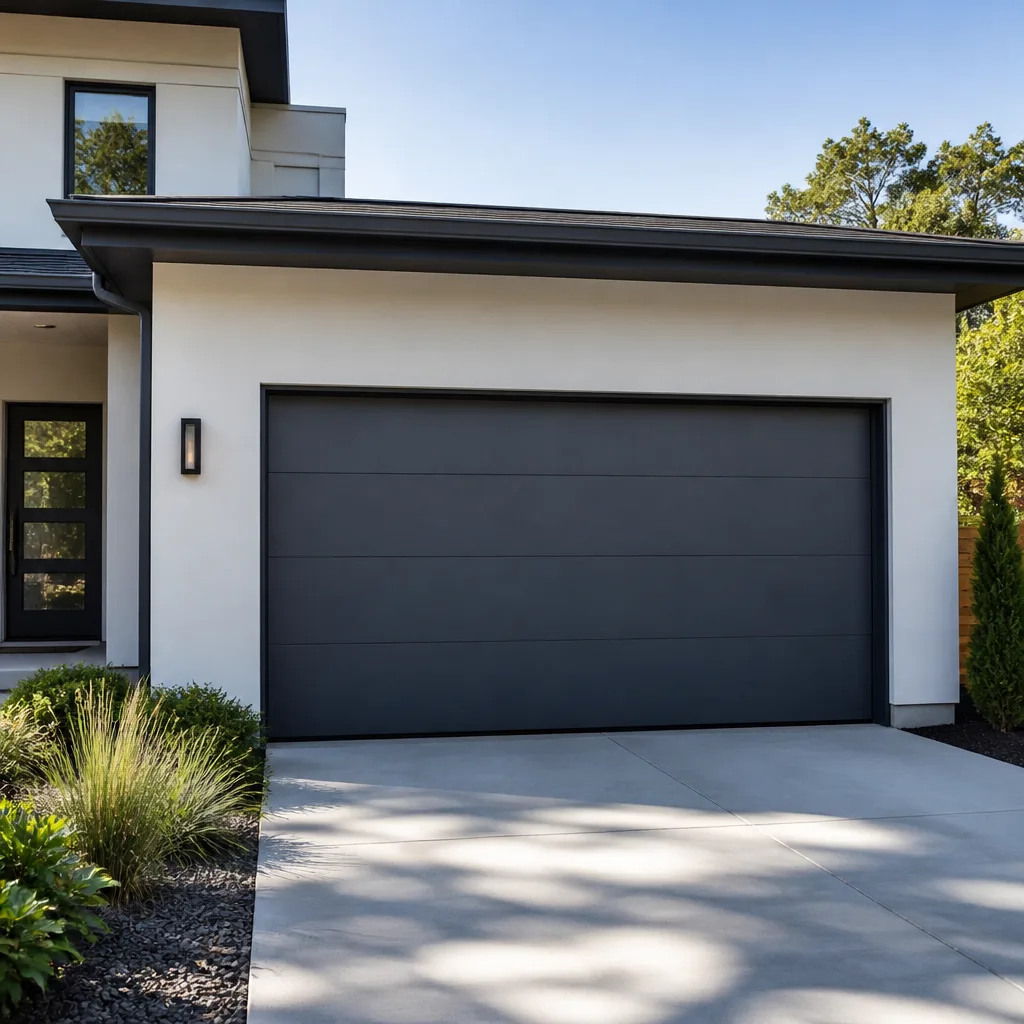 Modern flush
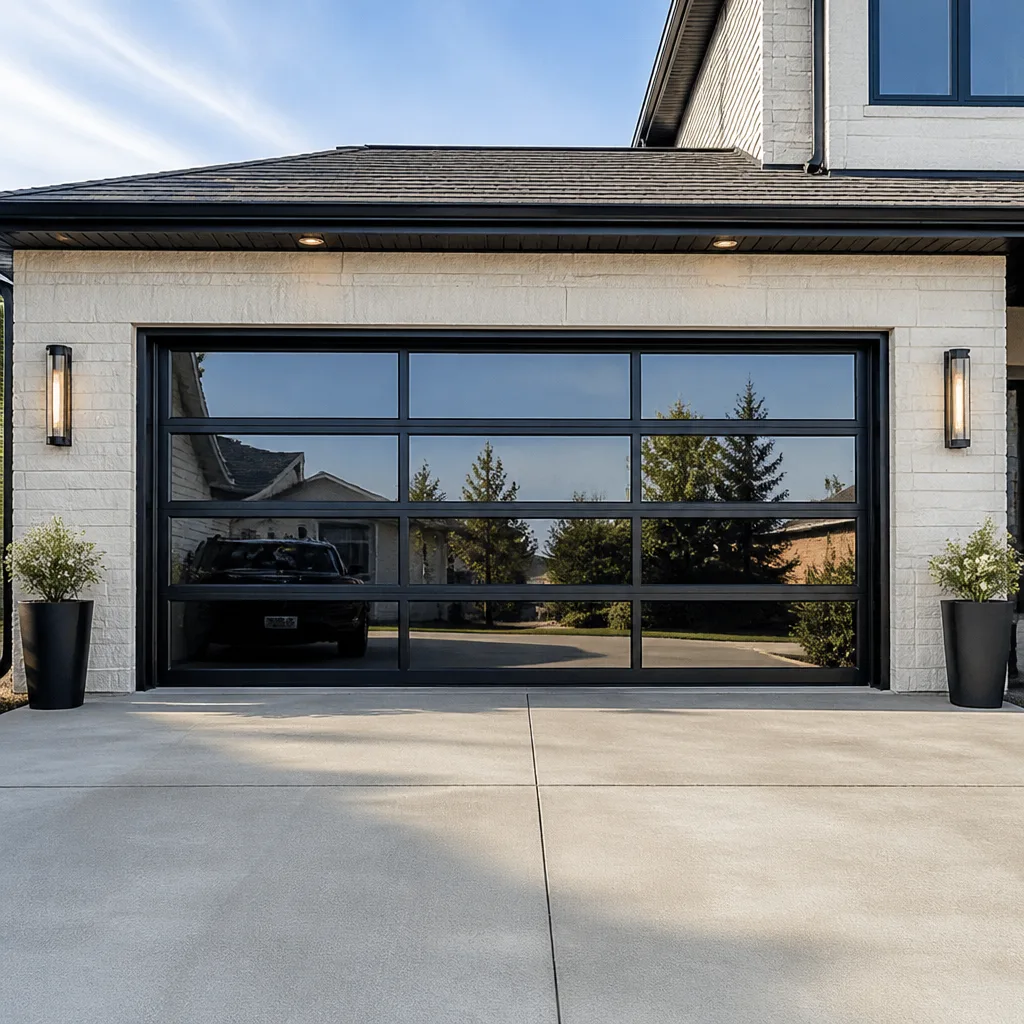 Full-view glass
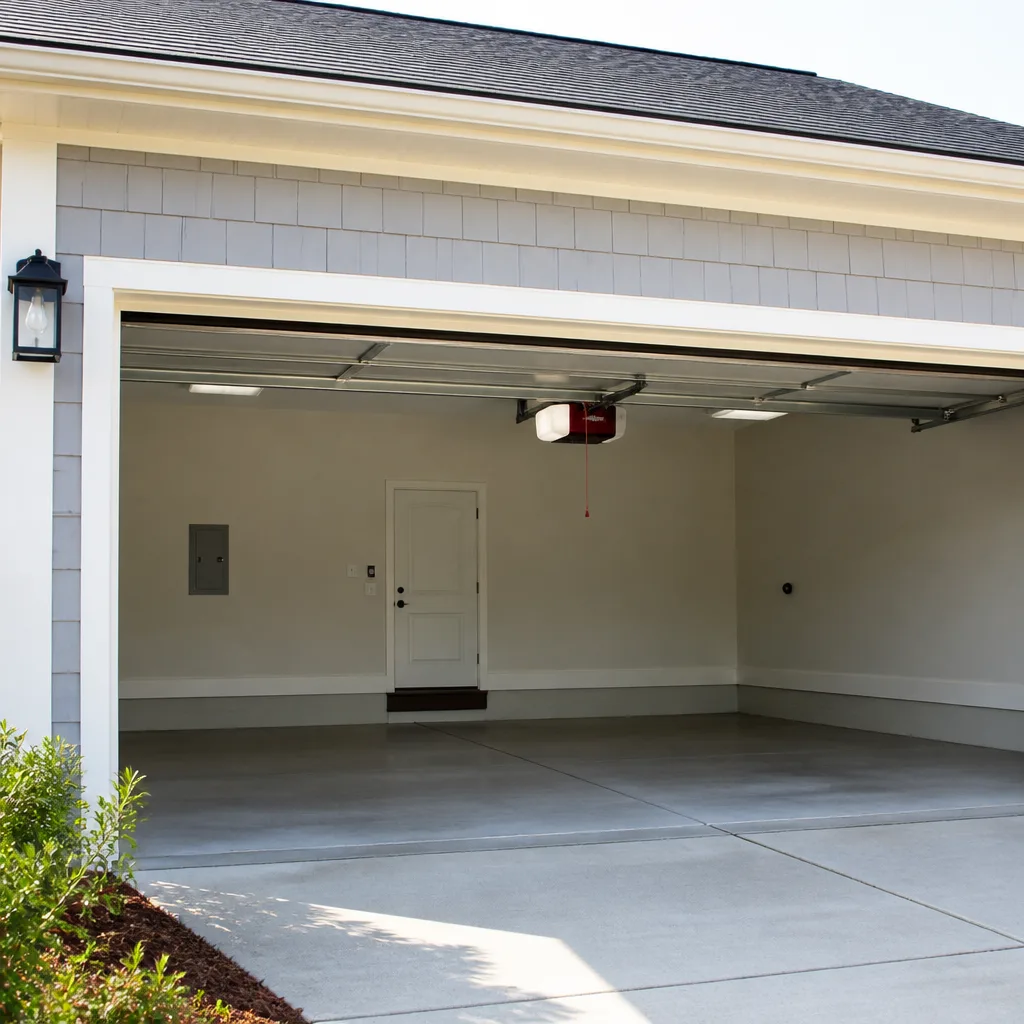 LiftMaster openers
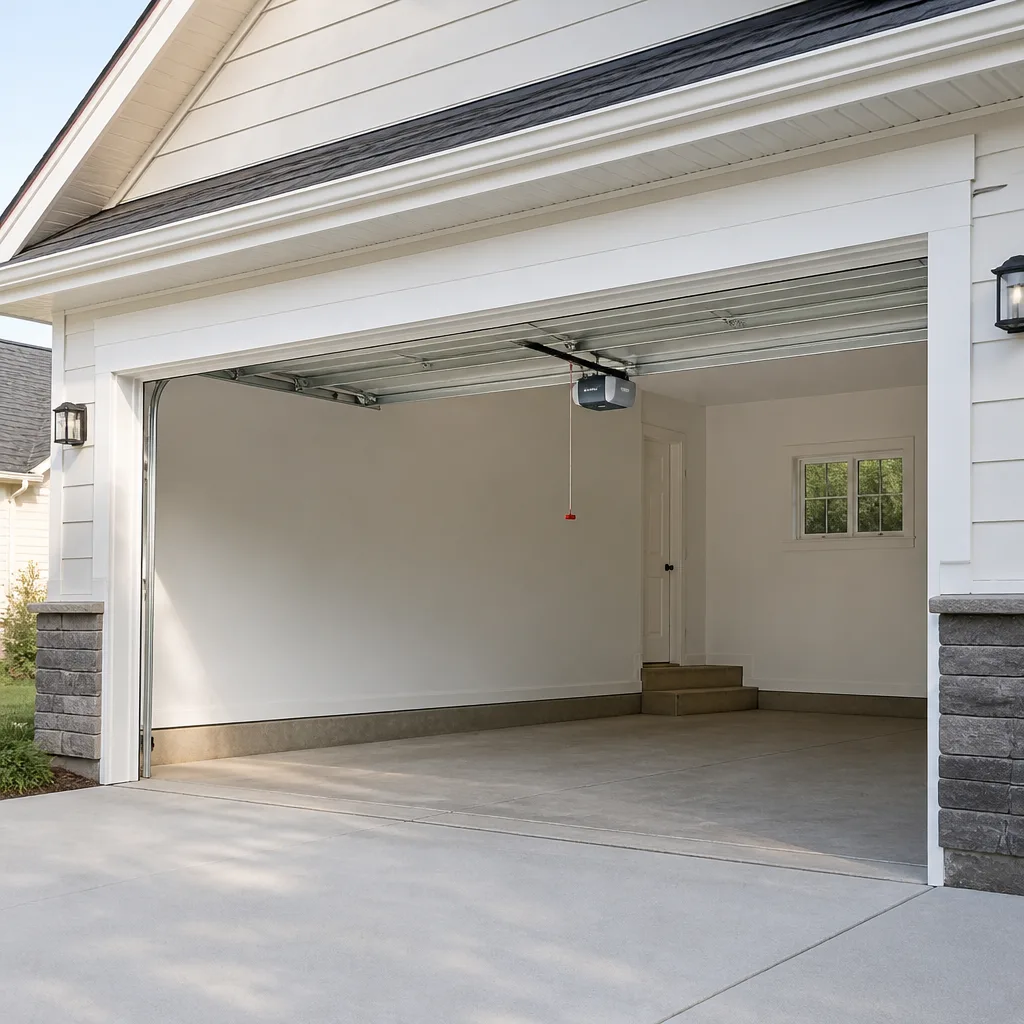 Chamberlain openers
Full 25-point door and opener safety check with every visit - springs, cables, rollers, tracks, and your LiftMaster or Chamberlain opener included
You get a price before we start. It does not change when the pro arrives.
Get your free estimateGarage Door Warning Signs: A Summerlin Homeowner’s Reference Guide
A torsion spring in a Summerlin garage does not snap without warning. It broadcasts three or four specific signals over weeks before it lets go – a sound that changes pitch, a door that rides a little high on one side, a hairline gap in the coil. The homeowners who read those signals call a technician on their own schedule. The ones who miss them call at 7 p.m. on a Friday with the car trapped inside. This guide teaches pattern recognition, not a checklist of obvious failures, so you can tell a noisy door that is fine from a quiet one that is weeks from trouble.
Quick Answer
The earliest warning signs of a failing garage door in Summerlin are a changed sound (chattering versus grinding), a door that lifts unevenly or hesitates on one side, a visible gap in the torsion spring coil, flat-spotted rollers that vibrate the whole door, and seasonal slowdowns that get worse each summer. Any one of these is worth a professional inspection before it becomes an emergency call in 108°F heat.
Styles & brands we work with
- Raised-panel steel
- Carriage house
- Modern flush
- Full-view glass
- LiftMaster openers
- Chamberlain openers
Table of Contents
- Why Pattern Recognition Beats Symptom Lists
- Chattering vs. Grinding: What Your Opener Is Telling You
- Uneven Cable Tension: Watch the Door’s Horizontal Travel
- The Gap in the Torsion Spring Coil
- Flat-Spotted Rollers: The Vibration You Cannot See
- Why Your Door Slows Down in Summer
- How a Proper Inspection Works
- The Quiet Signals Homeowners Overlook
Why Pattern Recognition Beats Symptom Lists
Most garage door guides tell you to watch for a door that will not open, a door that will not close, or a door that reverses on its own. Those are failure signals, not warning signals. By the time any of them appear, the part involved has usually already given up. We’ve seen this repeatedly in Summerlin, where a spring that has been broadcasting a pinging sound for a month finally breaks on a Saturday afternoon and traps a car inside while the homeowner is loading groceries.
The subtle signals matter more, and they are the ones a homeowner can actually catch. A door is a system: springs carry the weight, cables keep the sides even, rollers guide the panels, and the opener supplies the push. When one part starts to wear, the others react. That reaction shows up as a change in sound, a change in speed, or a change in how the door sits in the opening. Learn what each change means and you can schedule the fix instead of reacting to it.
Two things make this harder in Summerlin than most places. First, desert heat expands metal and dries out lubricant, so wear shows up faster than it would in a milder climate. Second, garages here often face west or south and bake at temperatures that turn a small track problem into a daily annoyance within one season. If you already have garage door repair in Summerlin work planned, the inspection is easy to fold into the same visit.
Key Takeaways
- Early signals are changes in sound, speed, and alignment – not outright failure.
- Desert heat accelerates wear on springs, cables, and lubricated parts.
- Any single signal is worth a look before it becomes an emergency.
Chattering vs. Grinding: What Your Opener Is Telling You
A garage door opener makes noise, and most homeowners stop hearing it after the first year. That is exactly when the useful information gets tuned out. The two sounds that matter most are a chatter and a grind, and they point to different problems with very different urgency.
Chattering is a rapid, light, metallic rattle, usually at the start or end of travel. It almost always points to lubrication and loose hardware: dry rollers, a dry screw or chain drive, a hinge that has worked its way loose. It is annoying, and it is the affordable one to fix. A grease and tighten service clears it up. Left alone for a season, chattering wears the moving parts faster and can crack a hinge.
Grinding is heavier and lower. On a belt or chain opener it often means the rail and the trolley are misaligned, or the gear inside the motor housing is stripping. On a LiftMaster or Chamberlain unit with a worn drive gear, you will hear a growl that gets louder as the door climbs. That is a gear strip in progress. It will not heal itself, and the opener will eventually stop lifting the door entirely, usually with the door halfway up.
Here is the field test. Stand in the garage, listen for a full open and close, and note one of three things:
- Light, fast chatter that stops once the door is moving – lubrication and hardware.
- Heavy grind that builds through the whole travel – opener gear or rail alignment.
- No noise at all but the door still moves slowly or stops – motor strain or a failing capacitor.
Number two and number three are your cue to call. If you are due for an opener check anyway, our garage door opener in Summerlin service covers the motor, rail, and safety reverse in one visit.
Uneven Cable Tension: Watch the Door’s Horizontal Travel
Cables do not usually snap cleanly and without notice. They fray first. The fray is invisible from the outside, but it changes how the cable pulls, and that change shows up in how evenly the door travels up its tracks. Most homeowners never see it because they only watch the door go up and down. Watch the door go across.
Stand at the center of the garage, back from the door, and open it slowly. The top edge of the door should rise level across its full width. If one side lags by more than half an inch, or if the door shimmies left and right as it climbs, the cable tension on one side is off. That is a symptom worth taking seriously. A loose cable can jump its drum, and a jumped cable on a loaded torsion system is genuinely dangerous.
In Summerlin we see this more often on doors that face the afternoon sun, where the rail and track expand unevenly and pull a cable slightly tighter on one side over the course of a season. It is also common on doors past 12 or 15 years old, where the original cable has stretched and the tension has never been rebalanced.
Safety note: cables and springs are under extreme tension. Do not attempt to adjust a cable yourself. A released torsion system can cause severe injury, and the spring that carries the door’s full weight – the part Mainspring takes its name from – is the exact piece that gives out. This is a job for a trained technician with the right winding bars and a clear plan.
The Gap in the Torsion Spring Coil
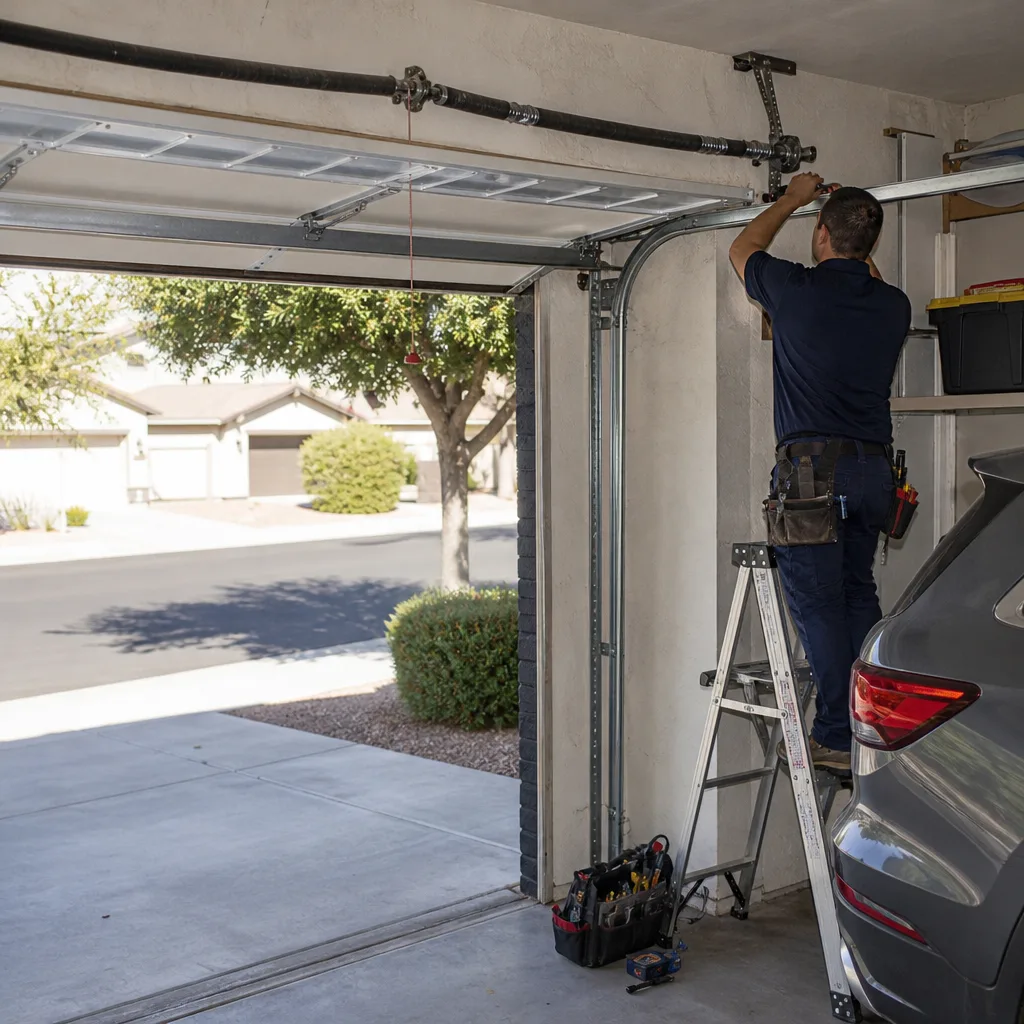
The torsion spring is the horizontal coil above the door, and it is the part that carries almost all the weight. When a spring is intact, its coil is tight. When it has failed on one winding – meaning one of the two springs on a two-spring door has snapped – you will see a visible gap of an inch or more in the coil. Most homeowners miss it because they are watching the door, not the bar above it.
Check it twice a year, or every time the seasons change. Look straight up at the torsion bar. A continuous coil with no visible break is fine. A clear gap, a piece of the spring hanging loose, or a coil that looks like it has unwound is a failed spring. The door may still open because the second spring is still carrying the load, which is exactly why this signal is so often missed. The remaining spring is now doing twice its rated work, and it will fail sooner. The clock is running.
A spring does not usually break on its own with no warning. It makes a sound first: a sharp ping, a pop, or a single clang you may mistake for the neighbor’s door. In Summerlin we hear this most in late June and early July, when a spring that has been running at high tension through spring finally gives on the hottest days. If you heard a pop and the door feels heavier than before, that is the first sign.
Flat-Spotted Rollers: The Vibration You Cannot See
Rollers roll along the track and carry the door’s weight on tiny steel bearings. When a roller seizes or wears a flat spot on its outer wheel, it stops rolling and starts sliding. The door still opens, but it vibrates, and the vibration travels up through the panels and into the wall above the garage. Homeowners feel it as a shudder in the kitchen floor and dismiss it as a minor nuisance.
You cannot see flat-spotting without removing the door from the track. But you can catch the two other signs that mean it is happening:
- A rhythmic bump you can hear as each roller crosses the curve in the track at the top of the opening.
- A visible flat spot or a shiny, worn edge on a roller wheel you can see by looking at the hinge joint where the roller meets the door.
- A fine black dust or rust streak along the inside of the track – the roller is failing, not rolling.
Flat-spotted rollers cause more than noise. They put uneven stress on the hinges and can chew a groove in the track over a couple of seasons. A set of new nylon rollers is one of the least costly fixes on the whole door, and it is a good candidate for our standing $50 off any repair over $250.
Why Your Door Slows Down in Summer
A door that gets slow in July and fine again in October is not a motor problem. It is thermal binding. Desert heat expands the steel track and the aluminum door panels at slightly different rates, and when the two disagree, the rollers bind in the track and the opener has to push harder to move the door. In Summerlin this is a routine condition: garages that face west or south regularly climb past 110°F inside on a summer afternoon, and the door runs at a different tension than it does in winter.
Thermal binding is not a crisis. It is a warning. Each season the binding grows a little worse because the tracks and rollers wear unevenly in the same spot. Left alone for three or four summers, the door will start to stick and the opener will burn out its drive gear trying to muscle past it.
The fix is straightforward: the tracks need a proper cleaning and lubrication, and the rollers and hinges need adjustment so the door moves freely within its clearance. It is a scheduled service, not an emergency one. If your door is already slow enough that you notice it, call before the next heat wave.
How a Proper Inspection Works
A proper inspection catches all the signals above before they become a repair. It is what a technician should look at, and it takes the same time as a routine tune-up. Our $89 seasonal tune-up walks through each step below.
- Spring check. Inspect the torsion coil for gaps, measure the tension, and confirm both springs (where the door has two) are sharing the load evenly.
- Cable and drum check. Look for fraying at the drum, confirm even tension on both sides, and verify the cable is seated in its drum.
- Roller and hinge check. Roll each wheel by hand, replace flat-spotted rollers, and tighten every hinge.
- Track alignment. Level-check both tracks, clear any binding, and adjust the door’s clearance.
- Opener check. Test the drive gear, the safety reverse, and the travel limits. This is the exact place a lift or chain fails without warning.
- Lubrication. Grease the torsion bar, roller bearings, and hinges with a heat-rated lubricant that holds up to summer temperatures.
If you are replacing a door rather than servicing one, our garage door installation in Summerlin work begins with a measurement visit, so the door you order fits the opening. New doors have no wear signals to read yet, which is why the measure and the written price come first.
The Quiet Signals Homeowners Overlook
Not every warning makes noise. The signals below are the ones that only a homeowner can catch, and the ones most often dismissed as “just how the door has always been.”
- The door sits a little lower on one side. A mis-set track or a weak spring is pulling the door askew before it fails.
- The reverse test fails intermittently. Put a roll of paper towels under the door and close it. If the door does not reverse every time, a lift or Chamberlain safety sensor is failing, which is a genuine safety issue.
- The manual release is hard to pull. The spring is holding more weight than it should. Do not force it.
- The wall button takes an extra push. A tired capacitor or a bad limit switch. Small fix now, dead opener later.
- A widening gap between door and frame. The panels are loosening or the track is bowing. Common on Summerlin doors that face the sun, where panels expand differently from the frame.
If you find one of these, it is worth a free second opinion before you spend anything. Our Mainspring Garage Door Co. Summerlin home page lists our standing offers, including the current tune-up price and the senior and veteran discount.
Common Mistakes to Avoid
- Waiting for the door to stop opening. The spring, gear, or cable is already failing by the time the door refuses to move. Catch it at the warning stage instead.
- Lubricating a grinding opener. A grind points to a gear or rail problem, and grease will make it worse. Lubrication is for chatter, not grinding.
- Tightening the spring yourself. This is the single most dangerous part of the door. A torsion spring is under enough tension to break a wrist. Call a technician.
- Ignoring a summer slowdown as “just the heat.” It is thermal binding, and it worsens with each season in Summerlin.
- Hiring the first quote without a written price. A reputable shop states the flat price before work begins. If the price is vague, walk.
- Purchasing a new opener without a door inspection. A new motor on a binding door burns out in one summer. Diagnose the whole system first.
- Assuming the safety reverse is fine. Test it once a month. It is a five-second check that prevents a real safety failure.
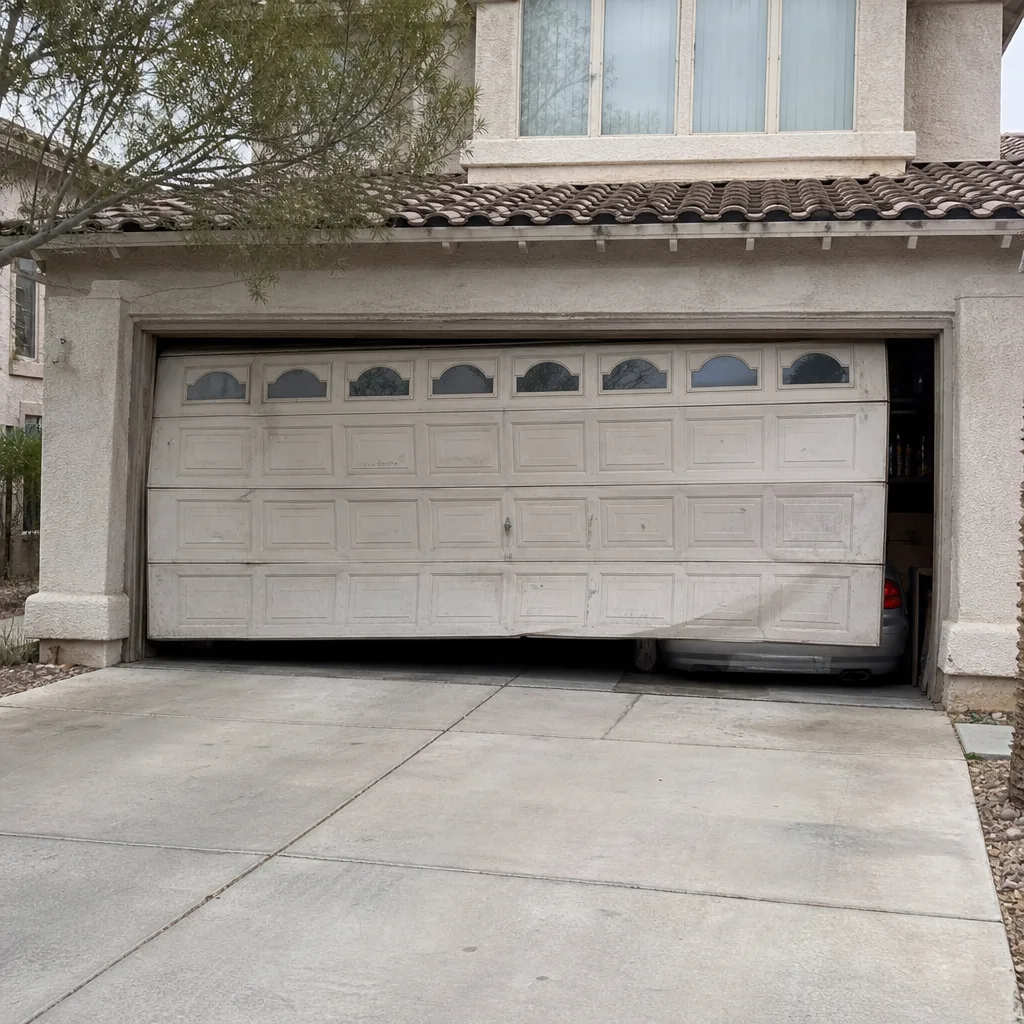
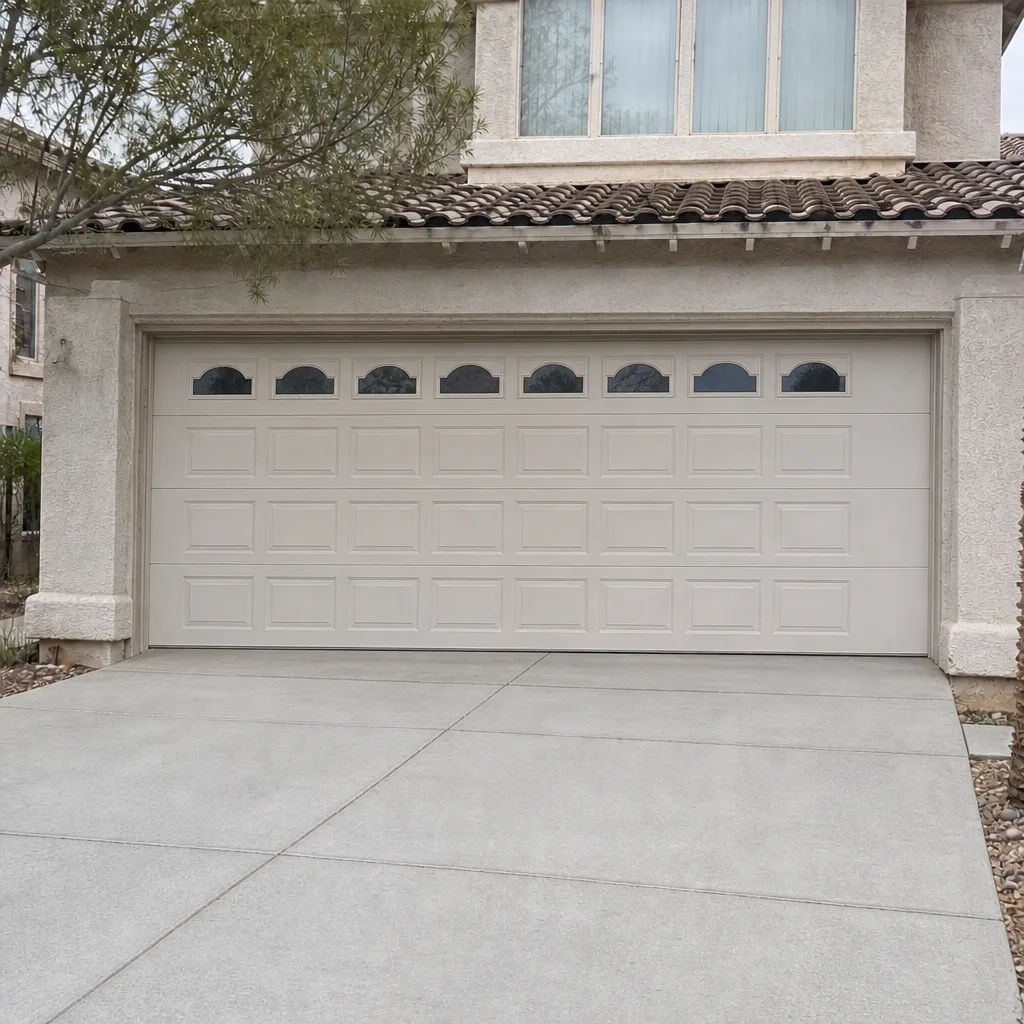
See the difference
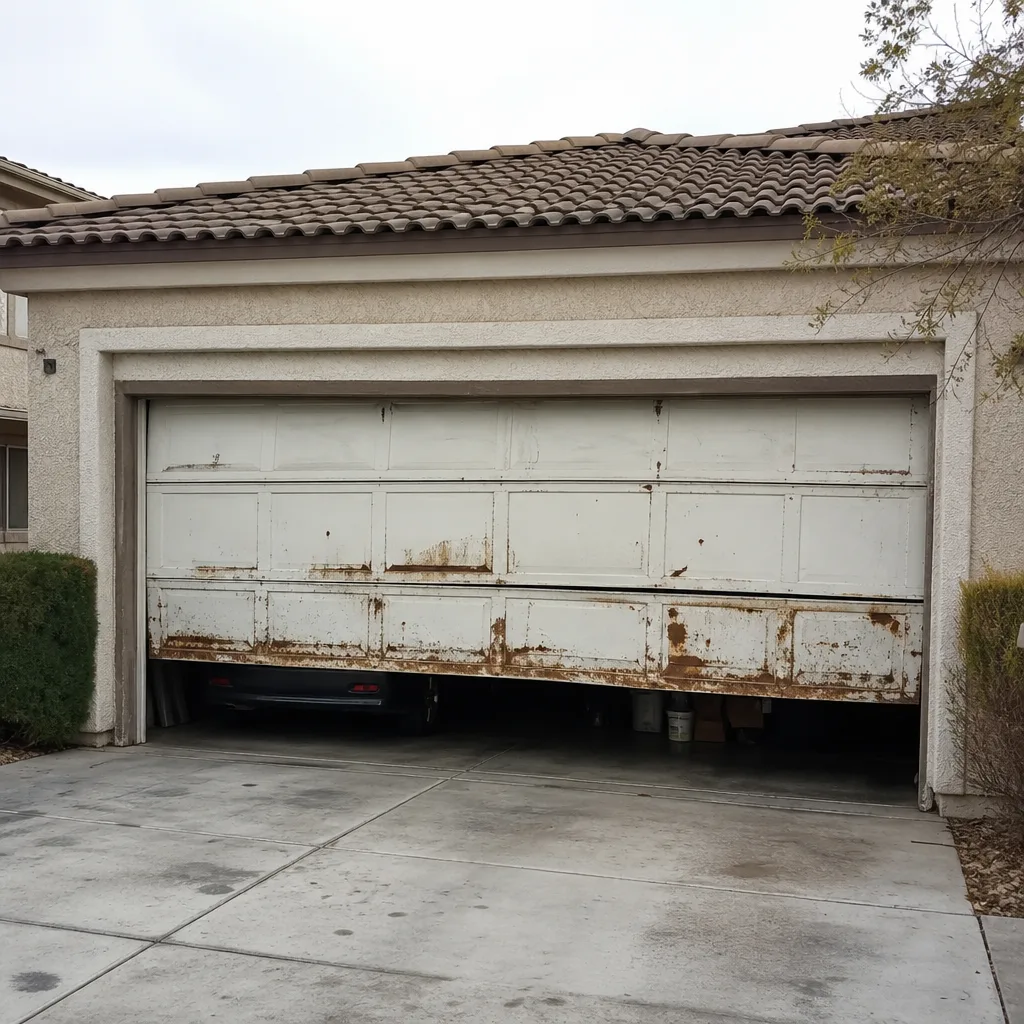 Before
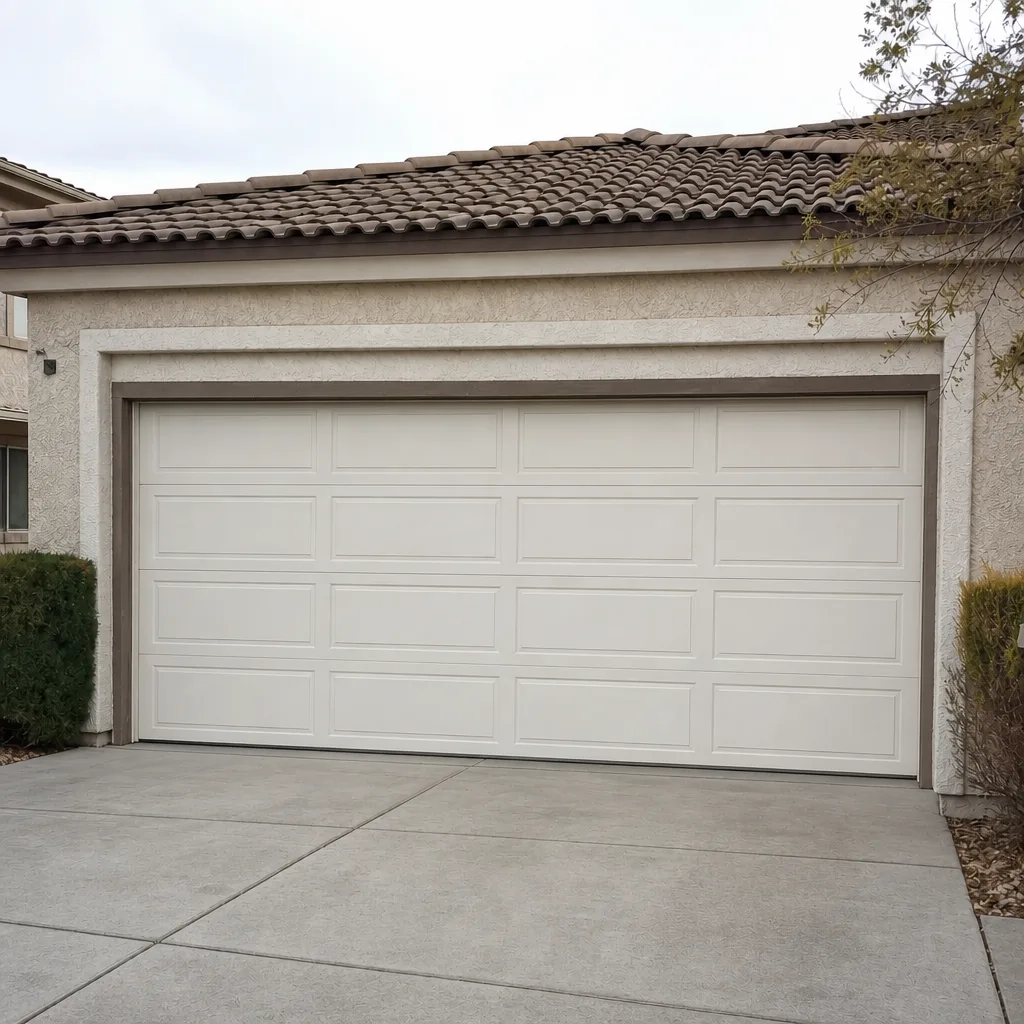 After
 Before
 After
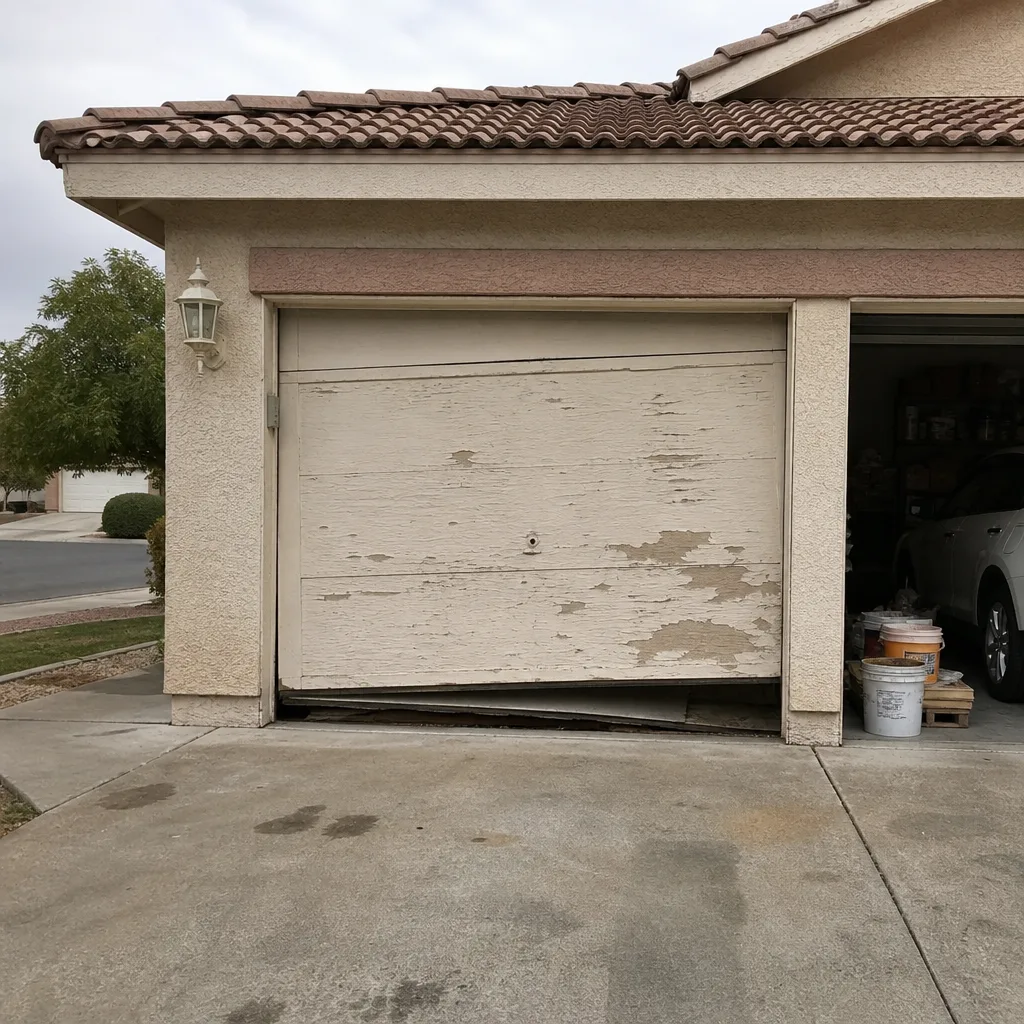 Before
 After
When to Call a Professional
Call a professional the moment you see a gap in the torsion spring, hear a grinding noise from the opener, watch the door travel unevenly, or feel a shudder that gets stronger each week. These are not “monitor and wait” signals. They are “schedule a technician” signals, and they are worth a call now rather than an emergency visit on a Friday night. Never attempt to wind a spring, adjust a cable, or straighten a binding track yourself: those three parts are under enough tension to cause severe injury, and the right tools and training matter here more than anywhere else on the door.
Mainspring Garage Door Co. Summerlin offers free estimates in Summerlin – call (855) 608-8802. We answer the phone with a live person around the clock, state the flat price before any work begins, and back every job with our 90-Day Done Right Promise in writing. Most visits are finished in one trip because the right springs, cables, and rollers are already on the truck.
Frequently Asked Questions
The first warning is usually a sound, not a visible break: a sharp ping or pop you hear from inside the house, followed by a door that feels heavier than usual when you lift it. A visible gap in the torsion coil is the second sign, and it means the spring has already failed on one winding. Call us for a free estimate if you hear or see either one – the remaining spring is carrying double the load and will not last long.
It is thermal binding, not a motor problem. Desert heat expands the steel track and aluminum door at slightly different rates, and the rollers bind in the track. It gets a little worse every summer you leave it. A track cleaning, adjustment and heat-rated lubrication service fixes it, and it is a scheduled repair rather than an emergency visit. Calling before the next heat wave saves the opener.
No. Chattering is a lubrication and hardware issue and is the affordable fix. Grinding is the one that means an opener gear or rail problem in progress, and it should be looked at right away. If you cannot tell which sound you have, call (855) 608-8802 and we will give you a straight answer over the phone.
No. Cables and torsion springs are under extreme tension, and a mistake can cause serious injury. A torsion spring carries the door’s entire weight, which is why we train our technicians as journeymen and use the right winding bars and safety procedures. This is one repair that should never be a weekend project. Call us for a free estimate on cable or spring service in Summerlin.
Listen for a rhythmic bump as each roller crosses the curve at the top of the track, look for black dust or rust streaks inside the track, and check the visible roller wheels for a flat spot. If a wheel has stopped rolling and is sliding, the roller has failed. New rollers are a low-cost fix, and it is covered by our standing $50 off any repair over $250.
No. We state the flat price before any work begins, and that is the number on the bill. If we find more than one issue, we quote each piece separately and you decide. That is our no-surprises promise, and it is part of the 90-Day Done Right Promise in writing. Call (855) 608-8802 for a free estimate and a straight answer.
The Bottom Line
The garage door tells you weeks in advance when it is about to fail. A changed sound, an uneven travel, a visible gap in the coil, a vibration you feel through the floor, a slowdown each summer – each one is a readable signal, and each one gives you time to schedule the fix. The homeowners in Summerlin who read these signals call on their schedule. The ones who miss them call on a Friday night with the car trapped inside. Watch, listen, and check twice a year. If anything looks off, call a professional, keep your hands off the spring, and let a trained technician do the rest.
Written by the team at Mainspring Garage Door Co. Summerlin.